

ADD ANI AS A TRUSTED SOURCE
googleads
ANI Logo
Menu
Health

Increasing exercise level with age prevents stroke, heart disease

Washington D.C. [USA], Nov 17 (ANI): While physical activity is linked to the overall well-being of an individual, it has been found to prevent heart disease and stroke in people who increase their workout as they get older.

ANI Nov 17, 2019 14:31 IST googleads

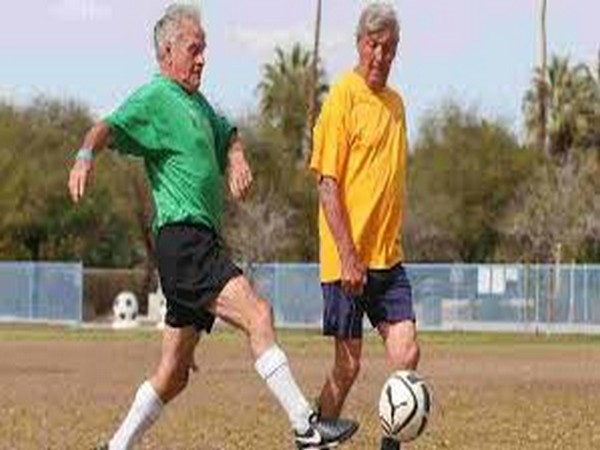
Representative Image

Washington D.C. [USA], Nov 17 (ANI): While physical activity is linked to the overall well-being of an individual, it has been found to prevent heart disease and stroke in people who increase their workout as they get older.
People who did less moderate exercise as they got older had about 27 per cent increased risk of heart and blood vessel problems, while those who increased their levels of activity had a reduced risk of cardiovascular disease of up to 11 per cent, according to a study published in the European Heart Journal.
The link between levels of physical activity and risk of cardiovascular disease in older people held true even for those with disabilities and chronic conditions such as high blood pressure, high cholesterol levels and type 2 diabetes.
The study was carried out in 1,119,925 men and women aged 60 years or older and who underwent two consecutive health checks provided by the Korean National Health Insurance Service (NIHS) from 2009 to 2010 and 2011 to 2012.
At each health check, participants answered questions about their physical activity and lifestyle. Researchers calculated the amount of moderate exercise (e.g. 30 minutes or more a day of brisk walking, dancing, gardening) and vigorous exercise (e.g. 20 minutes or more a day of running, fast cycling, aerobic exercise) per week at each screening, and how it changed during the two years between the screenings.
They collected data on heart disease and stroke from January 2013 to December 2016 and adjusted their analyses to take account of socio-economic factors, such as age and sex, other medical conditions and medication taken, and lifestyle behaviours, such as smoking and alcohol consumption.
The average age of the participants was 67 years and 47 per cent were men. About two-thirds said they were physically inactive at both the first and second screening period.
A higher proportion of women were physically inactive (78 per cent and 77 per cent) compared to men (67 per cent and 66 per cent) in both screening periods.
Researchers found that people who moved from being continuously inactive at the 2009-2010 health check to being moderately or vigorously active three to four times a week at the 2011-2012 health check had an 11 per cent reduced risk of cardiovascular problems.
Those who were moderately or vigorously active one or two times a week at the first check had a 10 per cent reduced risk if they increased their activity to five or more times a week.
In contrast, those who were moderately or vigorously active more than five times a week at the first check and then became continuously inactive at the second check had a 27 per cent increased risk of cardiovascular problems.
When the researchers looked specifically at people with disabilities and chronic conditions, they found that those who changed from being inactive to being moderately or vigorously active three to four times a week also reduced their risk of cardiovascular problems.
"The most important message is that older adults should increase or maintain their exercise frequency to prevent cardiovascular disease," said study lead, Mr Kyuwoong Kim, a PhD student at Seoul National University Graduate School Department of Biomedical Sciences in Seoul. (ANI)

Get the App

What to Read Next

Health

The truth about ‘Eating for Two’ explained by doctors

The truth about ‘Eating for Two’ explained by doctors

Health experts warn that interpreting the advice literally can lead to excessive calorie intake, unhealthy weight gain and a higher risk of Gestational Diabetes Mellitus (GDM), a condition that affects blood sugar levels during pregnancy.

Read More
Health

High-fat keto diet may boost exercise benefits

High-fat keto diet may boost exercise benefits

A new study suggests that eating more fat rather than less could help the body gain greater benefits from exercise when blood sugar levels are high, offering an unexpected perspective on how diet and physical activity work together to support metabolic health.

Read More
Health

Pre-workout supplements may cut sleep in half for young users

Pre-workout supplements may cut sleep in half for young users

A popular fitness trend among young people may be quietly undermining their sleep. A new study led by researchers at the University of Toronto has found that teenagers and young adults who use pre-workout supplements are significantly more likely to experience extremely short sleep durations.

Read More
Health

The more you fear aging, the faster your body may age

The more you fear aging, the faster your body may age

Worrying about getting older especially fearing future health problems may actually speed up aging at the cellular level, according to new research from NYU.

Read More
Health

Scientists reveal how exercise protects brain from Alzheimer's

Scientists reveal how exercise protects brain from Alzheimer's

Exercise may sharpen the mind by repairing the brain's protective shield. Researchers found that physical activity prompts the liver to release an enzyme that removes a harmful protein, causing the blood-brain barrier to become leaky with age.

Read More
Health

MRI scans show exercise can make the brain look younger

MRI scans show exercise can make the brain look younger

New research suggests that consistent aerobic exercise can help keep your brain biologically younger. Adults who exercised regularly for a year showed brains that appeared nearly a year younger than those who didn't change their habits.

Read More
Health

Swedish study reveals when fitness and strength begin to fade

Swedish study reveals when fitness and strength begin to fade

A long-running Swedish study has followed adults for nearly five decades, uncovering when physical decline truly begins. Fitness and strength start slipping around age 35, then worsen gradually with age.

Read More
Health

Memory loss can suddenly speed up with age: Study

Memory loss can suddenly speed up with age: Study

A massive international brain study has revealed that memory decline with age isn't driven by a single brain region or gene, but by widespread structural changes across the brain that build up over time.

Read More
Health

High-fat diets give liver cancer a dangerous head start: Study

High-fat diets give liver cancer a dangerous head start: Study

A high-fat diet does more than overload the liver with fat. New research from MIT shows that prolonged exposure to fatty foods can push liver cells into a survival mode that quietly raises the risk of cancer.

Read More
Health

Scientists reverse Alzheimer’s in mice and restore memory: Study

Scientists reverse Alzheimer’s in mice and restore memory: Study

Alzheimer's has long been considered irreversible, but new research challenges that assumption. Scientists discovered that severe drops in the brain's energy supply help drive the disease, and restoring that balance can reverse damage, even in advanced cases.

Read More
Home About Us Our Products Advertise Contact Us Terms & Condition Privacy Policy

Copyright © aninews.in | All Rights Reserved.




