

ADD ANI AS A TRUSTED SOURCE
googleads
ANI Logo
Menu
Health

In severe bacterial infection, obesity protects against death

Washington [US], May 25 (ANI): Though overweight and obesity are risk factors for many diseases, a new study suggests that a higher BMI may be linked to higher survival rates in patients hospitalized for severe bacterial infections.

ANI May 25, 2021 09:59 IST googleads

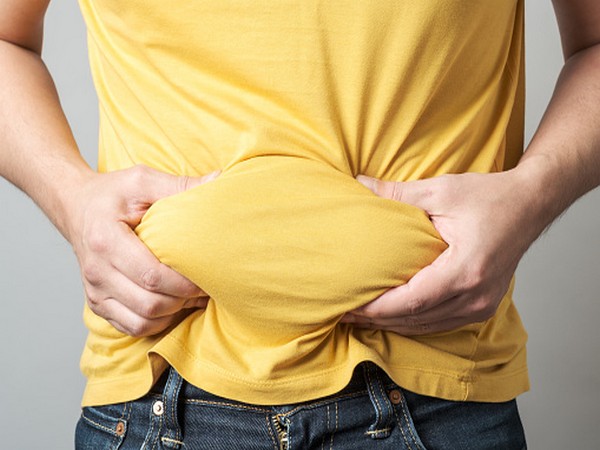
Representative Image

Washington [US], May 25 (ANI): Though overweight and obesity are risk factors for many diseases, a new study suggests that a higher BMI may be linked to higher survival rates in patients hospitalized for severe bacterial infections.
Scientists at Sahlgrenska Academy, University of Gothenburg, and Skaraborg Hospital in Skovde carried out the research, and their study has now been published in the journal PLOS ONE. The data were collected before the COVID-19 pandemic.
The population-based study involved observations, over a nine-month period, of all 2,196 individual adults receiving care for suspected severe bacterial infection at Skaraborg Hospital in Skovde. The researchers followed the patients in this study population over time, during, and after their hospital stay.
The results show that the raised chances of survival were associated with a higher body mass index (BMI) in both the short and long term, at 28 days and one year after hospitalization respectively. The differences in survival rates were clear. In the normal-weight group, 26 percent were dead within a year. The corresponding figures in the groups with higher BMI were 9-17 percent.
Occasional surveys of limited patient groups have previously shown similar results. The new findings clarify and confirm the "obesity survival paradox": that overweight and obesity afford protection against severe bacterial infections.
Asa Alsio, adjunct senior lecturer in infectious diseases at Sahlgrenska Academy and senior consultant in infectious diseases at Skovde, is the study's first and corresponding author.
"In the context of most other diseases, overweight and obesity are disadvantageous. This applies to several types of cancer, cardiovascular disease, and, in particular, COVID-19, in which a higher BMI is associated with higher mortality. Paradoxically, it's the other way round here.
"What we don't know," Alsio continues, "is how being overweight can benefit the patient with a bacterial infection, or whether it's connected with functions in the immune system and how they're regulated. More knowledge is needed about how being overweight affects the immune system. One patient category it could be studied in is individuals undergoing bariatric surgery."
Gunnar Jacobsson, Sahlgrenska Academy and senior consultant in infectious diseases at Skaraborg Hospital in Skovde is the senior author of the study:
"The COVID-19 pandemic has highlighted vulnerable patient groups, and overweight people have been hit hard. Maybe experience and handling of care for patients with severe bacterial infections can be used to improve the prognosis of COVID-19 and overweight. Globally, obesity is increasing at an alarming rate. More knowledge is needed to shed light on how body weight affects the body's defenses against infection so that treatment can be individualized," Jacobsson says.
The researchers think there is a need for more studies, at the population level, of how BMI affects treatment outcomes in various infectious diseases and what connections with the regulation of the immune system may exist. (ANI)


Get the App

What to Read Next

Health

The truth about ‘Eating for Two’ explained by doctors

The truth about ‘Eating for Two’ explained by doctors

Health experts warn that interpreting the advice literally can lead to excessive calorie intake, unhealthy weight gain and a higher risk of Gestational Diabetes Mellitus (GDM), a condition that affects blood sugar levels during pregnancy.

Read More
Health

High-fat keto diet may boost exercise benefits

High-fat keto diet may boost exercise benefits

A new study suggests that eating more fat rather than less could help the body gain greater benefits from exercise when blood sugar levels are high, offering an unexpected perspective on how diet and physical activity work together to support metabolic health.

Read More
Health

Pre-workout supplements may cut sleep in half for young users

Pre-workout supplements may cut sleep in half for young users

A popular fitness trend among young people may be quietly undermining their sleep. A new study led by researchers at the University of Toronto has found that teenagers and young adults who use pre-workout supplements are significantly more likely to experience extremely short sleep durations.

Read More
Health

The more you fear aging, the faster your body may age

The more you fear aging, the faster your body may age

Worrying about getting older especially fearing future health problems may actually speed up aging at the cellular level, according to new research from NYU.

Read More
Health

Scientists discover reason high altitude protects against diabete

Scientists discover reason high altitude protects against diabete

Living at high altitude appears to protect against diabetes, and scientists have finally discovered the reason. When oxygen levels drop, red blood cells switch into a new metabolic mode and absorb large amounts of glucose from the blood.

Read More
Health

Scientists reveal how exercise protects brain from Alzheimer's

Scientists reveal how exercise protects brain from Alzheimer's

Exercise may sharpen the mind by repairing the brain's protective shield. Researchers found that physical activity prompts the liver to release an enzyme that removes a harmful protein, causing the blood-brain barrier to become leaky with age.

Read More
Health

MRI scans show exercise can make the brain look younger

MRI scans show exercise can make the brain look younger

New research suggests that consistent aerobic exercise can help keep your brain biologically younger. Adults who exercised regularly for a year showed brains that appeared nearly a year younger than those who didn't change their habits.

Read More
Health

Swedish study reveals when fitness and strength begin to fade

Swedish study reveals when fitness and strength begin to fade

A long-running Swedish study has followed adults for nearly five decades, uncovering when physical decline truly begins. Fitness and strength start slipping around age 35, then worsen gradually with age.

Read More
Health

Memory loss can suddenly speed up with age: Study

Memory loss can suddenly speed up with age: Study

A massive international brain study has revealed that memory decline with age isn't driven by a single brain region or gene, but by widespread structural changes across the brain that build up over time.

Read More
Health

Injection turns sleeping tumour immune cells into cancer fighters

Injection turns sleeping tumour immune cells into cancer fighters

The Korea Advanced Institute of Science and Technology (KAIST) researchers have developed a way to reprogram immune cells already inside tumours into cancer-killing machines.

Read More
Home About Us Our Products Advertise Contact Us Terms & Condition Privacy Policy

Copyright © aninews.in | All Rights Reserved.
