

ADD ANI AS A TRUSTED SOURCE
googleads
ANI Logo
Menu
Health

Immunotherapy combination shrinks rare, neuroendocrine cancer: study

Washington D.C. [USA], Apr 1 (ANI): Scientists have found that rare and aggressive neuroendocrine tumours shrink through a combination of two common immunotherapy drugs.

ANI Apr 01, 2019 16:19 IST googleads

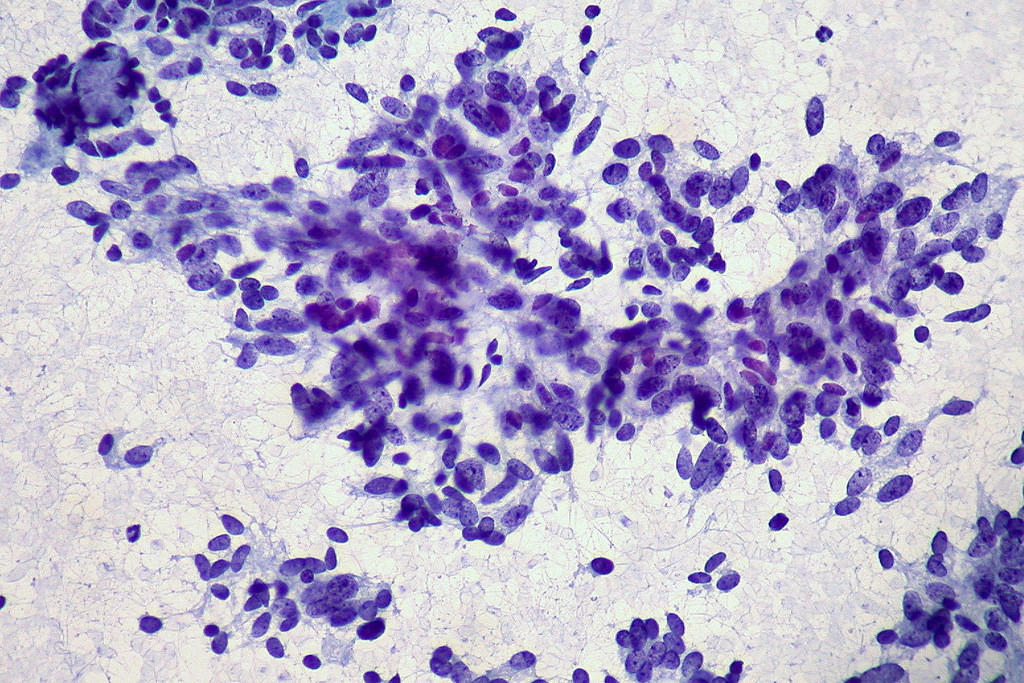
Representative image

Washington D.C. [USA], Apr 1 (ANI): Scientists have found that rare and aggressive neuroendocrine tumours shrink through a combination of two common immunotherapy drugs.
The research results were presented at the American Association for Cancer Research Annual Meeting 2019.
Results show a significant clinical benefit for patients with high-grade neuroendocrine carcinoma, a cancer of the neuroendocrine cells that often form tumours in the lungs and along the digestive tract.
This cancer is rare, about 12,000 people in the United States are diagnosed each year, but the general prevalence of the disease grew six-fold between 1973 and 2012. Patients with the high-grade, or rapidly growing, form have few treatment options.
"We saw a benefit in patients with high-grade carcinoma, which is the population that really needs an effective treatment option," said Sandip Patel, MD, The SWOG Cancer Research Network trial known as DART, clinical study chair.
"These early results are really encouraging and intriguing. We found a clear difference in response to treatment between the high-grade and low-grade forms of this cancer type,” said Patel.
“So tumour biology makes a difference. We don't yet know why, but we've opened another treatment arm of the trial to patients with just high-grade neuroendocrine carcinoma to see if we find the same response to the immunotherapy combination,” Patel added.
DART features an innovative ‘basket’ design which allows the testing of a single drug or drug combination in a variety of tumour types. DART, currently tests the immunotherapy combination of ipilimumab and nivolumab in patients with 37 types of rare cancers, which together make up almost a quarter of all cancers diagnosed worldwide.
Researchers enrolled 33 patients with neuroendocrine tumours. Of those 33 patients, 19 had high-grade disease. Most patients' tumours were located in the gastrointestinal tract or the lungs.
All patients received doses of ipilimumab every six weeks and doses of nivolumab every two weeks and continue on the treatment for as long as their bodies respond to the drugs.
Results showed that 42 per cent of patients with the high-grade form of neuroendocrine carcinomas saw their tumours shrink partially or completely after treatment, while none of the low-grade patients did.
For all the patients, 70 per cent saw their cancer spread within six months. Patients survived a median of at least 11 months after treatment. Some patients are alive more than a year after treatment, and doctors continue to track their progress.
"There's a myth that you can't successfully complete clinical trials in rare cancers. Researchers think it's too hard to find patients. But DART shows us that we can run rare cancer trials, and enroll patients quickly and learn if therapies are effective in rare diseases,” he said.
“We can also offer investigational drugs to patients’ right in their communities. They don't necessarily need to travel to a cancer centre to get enrolled in a clinical trial." (ANI)

Get the App

What to Read Next

Health

Scientists solve a major roadblock in cancer cell therapy: Study 

Scientists solve a major roadblock in cancer cell therapy: Study 

Researchers have found a reliable way to grow helper T cells from stem cells, solving a major challenge in immune-based cancer therapy. Helper T cells act as the immune system's coordinators, helping other immune cells fight longer and harder.

Read More
Health

Injection turns sleeping tumour immune cells into cancer fighters

Injection turns sleeping tumour immune cells into cancer fighters

The Korea Advanced Institute of Science and Technology (KAIST) researchers have developed a way to reprogram immune cells already inside tumours into cancer-killing machines.

Read More
Health

High-fat diets give liver cancer a dangerous head start: Study

High-fat diets give liver cancer a dangerous head start: Study

A high-fat diet does more than overload the liver with fat. New research from MIT shows that prolonged exposure to fatty foods can push liver cells into a survival mode that quietly raises the risk of cancer.

Read More
Health

Researchers have decoded rare cancer fighting plant compound

Researchers have decoded rare cancer fighting plant compound

UBC Okanagan researchers have uncovered how plants create mitraphylline, a rare natural compound linked to anti-cancer effects.

Read More
Health

Air pollution may reduce health benefits of exercise: Study

Air pollution may reduce health benefits of exercise: Study

A new study led by researchers at University College London (UCL) shows that chronic exposure to toxic air can significantly diminish the health benefits of regular physical activity.

Read More
Health

Blocking a single protein forces cancer cells to self-destruct

Blocking a single protein forces cancer cells to self-destruct

Researchers uncovered a powerful weakness in lung cancer by shutting down a protein that helps tumours survive stress.

Read More
Health

Single protein rewires leukemia cells to fuel their growth: Study

Single protein rewires leukemia cells to fuel their growth: Study

Researchers at the UCLA Health Jonsson Comprehensive Cancer Centre have identified a single protein, IGF2BP3, that links these two processes together in leukaemia cells. The protein alters how cells break down sugar, favouring a fast but inefficient energy pathway, while also modifying RNA that helps produce the proteins leukaemia cells need to survive and multiply.

Read More
Health

This new drug could be first to stop deadly fatty liver disease

This new drug could be first to stop deadly fatty liver disease

The Researchers at the University of California San Diego School of Medicine have identified a new investigational drug that shows promise in treating metabolic dysfunction-associated steatohepatitis (MASH), a serious form of fatty liver disease linked to obesity and type 2 diabetes that can lead to cirrhosis, liver failure, and even liver cancer.

Read More
Health

Scientists finds tools to reprogram immune cells

Scientists finds tools to reprogram immune cells

A team of researchers at Lund University in Sweden has identified the molecular tools that are needed to reprogram ordinary cells into specialised immune cells.

Read More
Health

Scientists find simple tweaks that cut diabetes risk by 31%

Scientists find simple tweaks that cut diabetes risk by 31%

A Mediterranean-style diet, in combination with reduced caloric intake, moderate physical activity, and professional support for weight loss, may cut the risk of type 2 diabetes (T2D) by 31%, according to a new study co-authored by researchers at Harvard T.H. Chan School of Public Health.

Read More
Home About Us Our Products Advertise Contact Us Terms & Condition Privacy Policy

Copyright © aninews.in | All Rights Reserved.




