

ADD ANI AS A TRUSTED SOURCE
googleads
ANI Logo
Menu
Health

How long can average man stay erect? These factors contribute

New Delhi [India], June 1 (ANI): Staying erect for long or holding an erection during times of performance pressure can certainly be a tricky time where you don't quite know what is in store for you.

ANI Jun 01, 2022 14:43 IST googleads

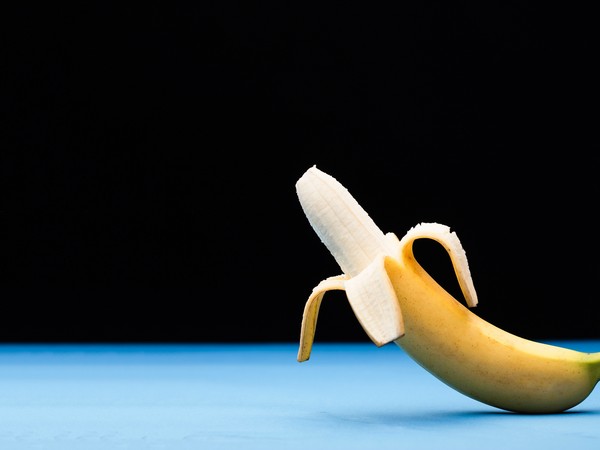
Representative image

New Delhi [India], June 1 (ANI): Staying erect for long or holding an erection during times of performance pressure can certainly be a tricky time where you don't quite know what is in store for you.
As studies have suggested that a penile erection can last from a few minutes to about half an hour, the duration for which an erection can last depends on a lot of factors, such as age, overall health, and sexual activity.
On average, men have five erections while they sleep at night, each lasting about 25 to 35 minutes.
An erection is one of the primary signs of sexual arousal for people. Being a physical response to chemical reactions in the body, holding an erection is an integral part of healthy sex life.
Erections are complex and each requires your heart, lungs, hormones, nerves, blood vessels, and mood to work together. Reactions overlooked in this chain can lead to erectile dysfunction or other problems with your sexual function.


How do erections work?
During sexual arousal, tiny blood vessels in the penis dilate, increasing the blood flow. Three tubes of spongy tissue (known as the corpus cavernosum and corpus spongiosum) fill with blood, hence an erection occurs. After ejaculation, as the extra blood drains away, the penis reverts to its flaccid size and appearance. Then your penis enters a rest or refractory period before it can get hard again.
Types of erections :
There are three different types of erections namely, Reflexive erections, Psychogenic erections and Nocturnal erections.
Psychogenic erections happen spontaneously, without thinking about sex.
Psychogenic erections occur in response to sexual stimuli, memory, or fantasy.
Nocturnal erections happen during sleep.
What affects erections?
Erections vary from time to time. Sometimes an erection can be held for an hour, sometimes for a few minutes. There isn't any study on how thousands of men last with their erections, but there are certainly some factors that affect the duration of an erection, such as age, health problems, side effects of medications, level of sexual stimulation or arousal, sexual activity (whether you're masturbating or having sex), and mental state (whether you are trying to become aroused or a surprise erection at work.)
How to improve erections?
If you have problems getting an erection, and you find that your erection is not as firm as you want, or it doesn't last long enough to satisfy your partner sexually, there's a high chance you might have erectile dysfunction or ED. But thankfully, there are some of these things that can help you fight erectile dysfunction.
Foreplay
You may have an erection problem as your head might not be in the right place or you are not feeling well. Stress and distraction can affect the quality of your erection to some extent. It's always a wise option to spend more time on foreplay as it helps to slow things down and lessens further distractions around you.
Lifestyle Changes
Erections are the most effective when one's healthy. Incorporating a healthy lifestyle by simple changes into one's daily life such as getting regular exercise, avoiding junk food, and eating a healthy diet, might be enough to improve erectile dysfunction,
Avoid alcohol and smoking
Over-drinking and the use of tobacco products can definitely affect the quality of your erection. Smoking can also lead to blood vessel damage and erectile dysfunction. It is best to drink moderately and avoid tobacco altogether.
Being open with your partner about your sexual likes, dislikes, and fantasies can keep sex more exciting in long-term relationships. Don't cause conflict in your bedroom-relationship issues can certainly contribute to erectile dysfunction. (ANI)

Get the App

What to Read Next

Health

The truth about ‘Eating for Two’ explained by doctors

The truth about ‘Eating for Two’ explained by doctors

Health experts warn that interpreting the advice literally can lead to excessive calorie intake, unhealthy weight gain and a higher risk of Gestational Diabetes Mellitus (GDM), a condition that affects blood sugar levels during pregnancy.

Read More
Health

High-fat keto diet may boost exercise benefits

High-fat keto diet may boost exercise benefits

A new study suggests that eating more fat rather than less could help the body gain greater benefits from exercise when blood sugar levels are high, offering an unexpected perspective on how diet and physical activity work together to support metabolic health.

Read More
Health

Pre-workout supplements may cut sleep in half for young users

Pre-workout supplements may cut sleep in half for young users

A popular fitness trend among young people may be quietly undermining their sleep. A new study led by researchers at the University of Toronto has found that teenagers and young adults who use pre-workout supplements are significantly more likely to experience extremely short sleep durations.

Read More
Health

The more you fear aging, the faster your body may age

The more you fear aging, the faster your body may age

Worrying about getting older especially fearing future health problems may actually speed up aging at the cellular level, according to new research from NYU.

Read More
Health

Scientists discover reason high altitude protects against diabete

Scientists discover reason high altitude protects against diabete

Living at high altitude appears to protect against diabetes, and scientists have finally discovered the reason. When oxygen levels drop, red blood cells switch into a new metabolic mode and absorb large amounts of glucose from the blood.

Read More
Health

Scientists reveal how exercise protects brain from Alzheimer's

Scientists reveal how exercise protects brain from Alzheimer's

Exercise may sharpen the mind by repairing the brain's protective shield. Researchers found that physical activity prompts the liver to release an enzyme that removes a harmful protein, causing the blood-brain barrier to become leaky with age.

Read More
Health

Scientists find clue to human brain evolution in finger length

Scientists find clue to human brain evolution in finger length

Human evolution has long been tied to growing brain size, and new research suggests prenatal hormones may have played a surprising role. By studying the relative lengths of the index and ring fingers, a marker of prenatal exposure to oestrogen and testosterone, researchers found that higher prenatal oestrogen exposure was associated with larger head size in newborn boys.

Read More
Health

MRI scans show exercise can make the brain look younger

MRI scans show exercise can make the brain look younger

New research suggests that consistent aerobic exercise can help keep your brain biologically younger. Adults who exercised regularly for a year showed brains that appeared nearly a year younger than those who didn't change their habits.

Read More
Health

Scientists solve a major roadblock in cancer cell therapy: Study 

Scientists solve a major roadblock in cancer cell therapy: Study 

Researchers have found a reliable way to grow helper T cells from stem cells, solving a major challenge in immune-based cancer therapy. Helper T cells act as the immune system's coordinators, helping other immune cells fight longer and harder.

Read More
Health

Swedish study reveals when fitness and strength begin to fade

Swedish study reveals when fitness and strength begin to fade

A long-running Swedish study has followed adults for nearly five decades, uncovering when physical decline truly begins. Fitness and strength start slipping around age 35, then worsen gradually with age.

Read More
Home About Us Our Products Advertise Contact Us Terms & Condition Privacy Policy

Copyright © aninews.in | All Rights Reserved.




