

ADD ANI AS A TRUSTED SOURCE
googleads
ANI Logo
Menu
Health

How lack of sleep can harm brain, finds study

Lack of sleep not only makes you feel horrible, but study has proven that it harms your brain as well. Long-term sleep deprivation can significantly raise the chance of developing neurological illnesses like Alzheimer's. Researchers are trying to figure out how lack of sleep results in this damage. In a recent study published in the Journal of Proteome Research of the American Chemical Society, a team using mice discovered a protective protein whose level decreases with sleep deprivation and results in neuronal death.

ANI Sep 08, 2023 05:59 IST googleads

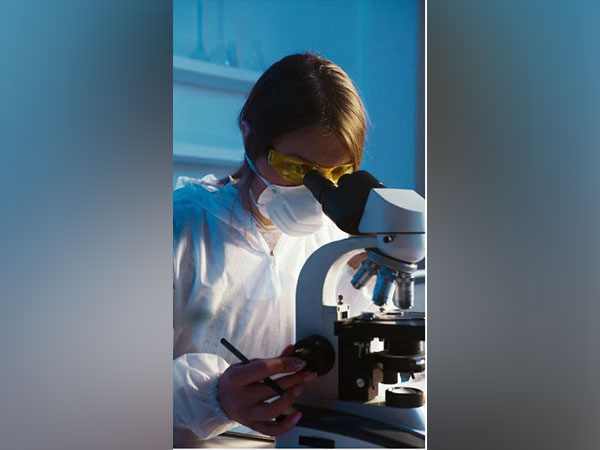
Representative image (Image source: Pexels)

Washington [US], September 8 (ANI): Lack of sleep not only makes you feel horrible, but study has proven that it harms your brain as well. Long-term sleep deprivation can significantly raise the chance of developing neurological illnesses like Alzheimer's. 
Researchers are trying to figure out how lack of sleep results in this damage. In a recent study published in the Journal of Proteome Research of the American Chemical Society, a team using mice discovered a protective protein whose level decreases with sleep deprivation and results in neuronal death. 
Studies indicate that lack of sleep leads to neurological damage in the hippocampus, a part of the brain involved in learning and memory. To better understand the changes responsible for this effect, scientists have begun examining shifts in the abundance of proteins and RNA, which contains genetically encoded instructions derived from DNA. In this way, previous studies have identified some factors linking sleep loss to damage; however, researchers haven’t generally confirmed they play a role in cognitive function within larger animal populations. So, Fuyi Xu, Jia Mi and their colleagues set out to further explore how sleep loss damages the brain and to corroborate their findings. 
To start off, the researchers evaluated how well mice navigated a simple maze and learned to recognize new objects after having been sleep-deprived for two days. They then extracted the proteins in the animals’ hippocampi and identified those whose abundance changed. Then, to further narrow the possibilities, they looked at data linking these proteins to maze performance in related strains of mice that had not experienced sleep deprivation.
This approach led the researchers to pleiotrophin (PTN), which declined in the sleep-deprived mice. Through an analysis of RNA, the team identified the molecular pathway by which a loss of PTN causes cells in the hippocampus to die. When they looked at genetic studies in humans, they found that PTN is implicated in Alzheimer’s and other neurodegenerative diseases. This research has uncovered a new mechanism by which sleep protects brain function, according to the researchers, who also note that PTN levels could serve as an indicator of cognitive impairment resulting from insomnia. (ANI)


Get the App

What to Read Next

Health

Pre-workout supplements may cut sleep in half for young users

Pre-workout supplements may cut sleep in half for young users

A popular fitness trend among young people may be quietly undermining their sleep. A new study led by researchers at the University of Toronto has found that teenagers and young adults who use pre-workout supplements are significantly more likely to experience extremely short sleep durations.

Read More
Health

Scientists reveal how exercise protects brain from Alzheimer's

Scientists reveal how exercise protects brain from Alzheimer's

Exercise may sharpen the mind by repairing the brain's protective shield. Researchers found that physical activity prompts the liver to release an enzyme that removes a harmful protein, causing the blood-brain barrier to become leaky with age.

Read More
Health

Scientists find clue to human brain evolution in finger length

Scientists find clue to human brain evolution in finger length

Human evolution has long been tied to growing brain size, and new research suggests prenatal hormones may have played a surprising role. By studying the relative lengths of the index and ring fingers, a marker of prenatal exposure to oestrogen and testosterone, researchers found that higher prenatal oestrogen exposure was associated with larger head size in newborn boys.

Read More
Health

MRI scans show exercise can make the brain look younger

MRI scans show exercise can make the brain look younger

New research suggests that consistent aerobic exercise can help keep your brain biologically younger. Adults who exercised regularly for a year showed brains that appeared nearly a year younger than those who didn't change their habits.

Read More
Health

Scientists find hidden synapse hotspots in the teen brain: Study

Scientists find hidden synapse hotspots in the teen brain: Study

The scientists have discovered that the adolescent brain does more than prune old connections. During the teen years, it actively builds dense new clusters of synapses in specific parts of neurons.

Read More
Health

Memory loss can suddenly speed up with age: Study

Memory loss can suddenly speed up with age: Study

A massive international brain study has revealed that memory decline with age isn't driven by a single brain region or gene, but by widespread structural changes across the brain that build up over time.

Read More
Health

This tiny protein helps control how hungry you feel

This tiny protein helps control how hungry you feel

Researchers have identified a previously overlooked protein that helps regulate appetite and energy use in the body.

Read More
Health

This gut molecule shows remarkable anti-diabetes power: Study

This gut molecule shows remarkable anti-diabetes power: Study

Researchers revealed that the microbial metabolite TMA can directly block the immune protein IRAK4, reducing inflammation and improving insulin sensitivity.

Read More
Health

Collaborating minds think alike in shared task: Study

Collaborating minds think alike in shared task: Study

When two people work on a shared task, they process information alike, a new study revealed.

Read More
Health

This body trait helps keep your brain young: Study

This body trait helps keep your brain young: Study

Scientists discovered that more muscle and less hidden abdominal fat are linked to a younger biological brain age.

Read More
Home About Us Our Products Advertise Contact Us Terms & Condition Privacy Policy

Copyright © aninews.in | All Rights Reserved.


