ADD ANI AS A TRUSTED SOURCE
googleads
Menu
Health

High levels of PCBs in blood can lead to premature death

Washington D.C [U.S.A], Apr 28 (ANI): High levels of Polychlorinated Biphenyls (PCBs), a group of environmental pollutants, in the blood can lead to premature deaths, according to a study.

ANI Apr 28, 2019 17:23 IST googleads

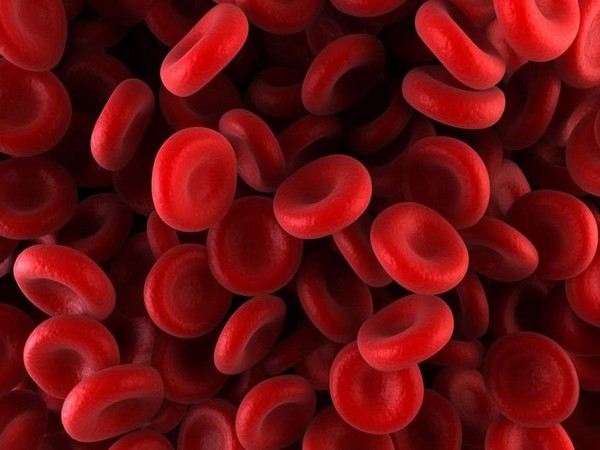
Representative image

Washington D.C [U.S.A], Apr 28 (ANI): High levels of Polychlorinated Biphenyls (PCBs), a group of environmental pollutants, in the blood can lead to premature deaths, according to a study. 
The study was published in the journal, ‘JAMA Network Open’.
The PCBs are subject to restrictions in several countries and the bans have reduced their concentrations in the environment.
In the study, 'Prospective Investigation of the Vasculature in Uppsala Seniors' (PIVUS) over 1,000 randomly selected 70-year-olds were monitored over a long period.
PCBs have the tendency to decompose very slowly and are stored in the fatty tissue, they remain present in animals and humans. In particular, PCBs with many chlorine atoms in the molecule persist in most Swedes' blood.
Study relating to PCBs in blood, concentrations were measured in the subjects' blood in 2001-2004, and then again when they reached the age of 75.
Follow-up of those who had died over a 10-year period showed that the individuals with the highest PCB levels with many chlorine atoms in the blood had 50% excess mortality, especially from cardiovascular disease, compared with the other groups. This corresponds to some seven extra deaths during the 10-year follow-up period.
The results were independent of the risk factors that had previously been found to be connected with cardiovascular disease, such as high blood pressure, diabetes, smoking, obesity, high cholesterol, low educational attainment and cardiovascular disease at age 70.
Previous studies have also shown an association between high PCB levels and atherosclerosis in humans and experimental animals alike. In the researchers' view, this finding and the new data combined indicate that intake of PCBs in food should be reduced.
"We humans get most PCBs in our bodies by ingesting them in food. These substances are fat-soluble and found mainly in fatty animal foods like fish, meat and dairy products," said one of the researchers.
According to the Swedish National Food Agency, particularly high concentrations of PCBs are present in fatty fish like Baltic herring and wild-caught salmon from polluted areas, such as the Baltic Sea, the Gulf of Bothnia, and Lakes Vänern and Vättern. (ANI)

Get the App

What to Read Next

Health

Ultraprocessed foods linked to rising premature deaths: Study

Ultraprocessed foods linked to rising premature deaths: Study

A study analyzing data from nationally representative dietary surveys and mortality data from eight countries (Australia, Brazil, Canada, Chile, Colombia, Mexico, United Kingdom, and United States) shows that premature deaths attributable to consumption of ultraprocessed foods (UPFs) increase significantly according to their share in individuals' total energy intake

Read More
Health

Study finds possible way to heal damaged lungs

Study finds possible way to heal damaged lungs

A new study suggests that understanding resilience--the ability of injured lung tissue to heal and regenerate--may be key to advancing the treatment and prevention of life-threatening lung disease in extremely premature babies.

Read More
Health

Lifestyle, Environmental factors affect health and ageing: Study

Lifestyle, Environmental factors affect health and ageing: Study

A new study led by researchers from Oxford Population Health has shown that a variety of environmental factors, including lifestyle choices (such as smoking and physical activity) and living conditions, have a more significant impact on health and premature death than our genes.

Read More
Health

Treatment for children with obesity has lasting effect: Study

Treatment for children with obesity has lasting effect: Study

When obese children receive weight-loss treatment, the effects last throughout their lives, and their risk of significant health problems and premature death decreases as they enter young adulthood. However, this is not true for depression and anxiety, according to a Karolinska Institutet study.

Read More
Health

Study on TB could change how we treat inflammatory disorders

Study on TB could change how we treat inflammatory  disorders

Tuberculosis is a perplexing disease. It is the largest cause of mortality from infectious disease worldwide, however, it is believed that such deaths account for just around 5 per cent of Mycobacterium tuberculosis (Mtb) infections. Antibiotics can be credited with saving the lives of some Mtb patients, but there is still a gap between the prevalence of infection and the intended severity of its effects. An increasing body of research implies that genetic susceptibility to tuberculosis accounts for the disparity.

Read More
Home About Us Our Products Advertise Contact Us Terms & Condition Privacy Policy

Copyright © aninews.in | All Rights Reserved.