Here's how to reduce pain in knee osteoarthritis
Washington D.C. [U.S.A.], Jun 19 (ANI): Experts have decoded the hack to reduce pain for individuals with knee osteoarthritis.
ANI
Jun 19, 2018 00:54 IST

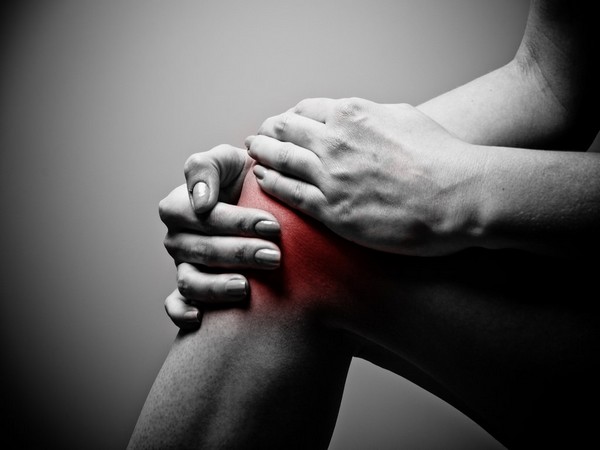
Washington D.C. [U.S.A.], Jun 19 (ANI): Experts have decoded the hack to reduce pain for individuals with knee osteoarthritis.
It is known that overweight and obese individuals with knee osteoarthritis can reduce pain by 50 percent and significantly improve function and mobility with a 10 percent or more weight loss over an 18-month period.
Investigators latest findings suggested that a 20 percent or more weight loss has the added benefit of continued improvement in physical health-related quality of life along with an additional 25 percent reduction in pain and improvement in function.
The results came from a secondary analysis of diet-only and diet plus exercise groups in the Intensive Diet and Exercise for Arthritis (IDEA) randomised controlled trial.
A total of 240 overweight and obese older community-dwelling adults with pain and knee osteoarthritis were divided into four groups according to weight loss achieved over an 18-month period: less than 5 percent (<5 percent group), between 5 and 9.9 percent (>5 percent group), between 10 and 19.9 percent (> 10 percent group), and 20 percent and greater (> 20 percent group).
The researchers found that the greater the weight loss, the better participants fared in terms of pain, function, 6-minute walk distance, physical and mental health-related quality of life, knee joint compression force, and IL-6 (a marker of inflammation).
Also, when comparing the two highest groups, the >20 percent group had 25 percent less pain and better function than the >10 percent group, and significantly better health-related quality of life.
Obesity is a health issue worldwide and a major and modifiable risk factor for many of the more than 250 million adults with knee osteoarthritis.
"Currently, there is no treatment that slows the progression or prevents this debilitating disease; hence, research has focused on improving clinical outcomes important to the patient," said lead author Stephen Messier.
"A 10 percent weight loss is the established target recommended by the National Institutes of Health as an initial weight loss for overweight and obese adults. The importance of our study is that a weight loss of 20 percent or greater--double the previous standard--results in better clinical outcomes, and is achievable without surgical or pharmacologic intervention."
The study appears in the journal Arthritis Care & Research. (ANI)
Tags:
Get the App