 हिंदी खबर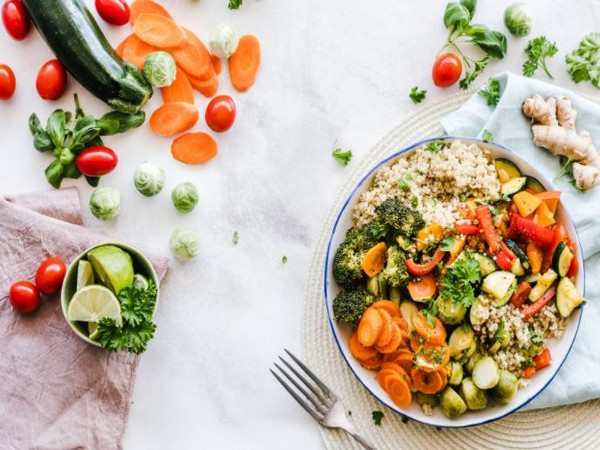

Washington [US], March 11 (ANI): While there has been a lot of hullabaloo around adapting to a plant-based diet for several health benefits, a new study has highlighted that eating a healthy, plant-based diet and decreasing intakes of less healthy foods like refined grains or added sugars may reduce stroke risk by up to 10 per cent.
The findings of the study were published in Neurology, the medical journal of the American Academy of Neurology.
The study found that eating a healthy, plant-based diet that includes foods like vegetables, whole grains and beans, and decreasing intakes of less healthy foods like refined grains or added sugars may reduce the risk of stroke.
The study highlighted that a diet high in quality plant-based foods may reduce your risk of having an ischemic stroke. An ischemic stroke is associated with a blockage of blood flow to the brain and is the most common type of stroke.
The study found no link between diet and hemorrhagic stroke, which happens when an artery in the brain leaks blood or ruptures.
"Many studies already show that eating a diet rich in fruits and vegetables can reduce your risk of all kinds of diseases, from heart disease to diabetes," said study author Megu Baden, M.D., Ph.D., of the Harvard T.H. Chan School of Public Health, in Boston, Mass.
Baden added, "We wanted to find out if there is an association between this kind of healthy diet and stroke risk."
The study involved 209,508 people who did not have cardiovascular disease or cancer at the start of the study. Researchers followed the participants for more than 25 years. Every two to four years, participants completed a questionnaire that asked how often, on average, they ate more than 110 foods over the previous year.
Researchers divided the participants into five groups based on the quality of their diet, specifically, higher amounts of plant-based foods, without excluding all animal foods.
For example, people with the highest healthy plant-based diets had, on average, 12 servings of healthy plant-based foods like leafy greens, fruits, whole grains, beans, and vegetable oils per day, compared to those with the lowest quality diets, who averaged seven and a half servings per day.
When it came to less healthy plant-based foods, such as refined grains and vegetables with high glycemic indexes like corn and potatoes, the people with the healthiest diet had, on average, three servings per day compared to six and a half servings for those with the lowest quality diets.
As for meat and dairy, the group with the healthiest diet averaged three and a half servings per day, compared to six servings per day for those with the lowest quality diets.
During the study, 6,241 people had strokes, including 3,015 who had ischemic strokes and 853 who had hemorrhagic strokes. The type of stroke was not known for the rest of the people. Compared to people who ate the fewest healthful plant-based foods, people who ate the most had a 10 per cent lower risk of having a stroke.
When looking at the type of stroke, compared to people who ate the fewest healthful plant-based foods, people in the group who ate the most showed about an 8 per cent lower risk for ischemic stroke.
Researchers found no difference in risk for hemorrhagic stroke. Also of note, researchers found no association between a vegetarian diet and risk of stroke, although the number of cases was small.
"We believe those differences may be because of the differences in the quality of plant-based foods that people consumed," Baden said.
Baden noted, "A vegetarian diet high in less healthy plant-based foods, such as refined grains, added sugars and fats, is one example of how the quality of some so-called 'healthy' diets differ. Our findings have important public health implications as future nutrition policies to lower stroke risk should take the quality of food into consideration."
"Although the stroke type was not known in more than a third of the people with stroke, the consistency of the findings for lower risk of ischemic stroke and the lower risk of total stroke in those eating a plant-based diet--and since previous research shows that ischemic stroke accounts for about 85 per cent of all strokes--these results are reassuring," Baden concluded. (ANI)




