Head, neck cancer cells hijack nearby healthy tissue, promote further invasion of cancer cells: Study
Washington [US], May 27 (ANI): Up to half of the patients with head and neck squamous cell carcinoma will experience tumour recurrence or new tumours- tumours that often spread and are difficult to treat.
ANI
May 27, 2021 08:32 IST

Washington [US], May 27 (ANI): Up to half of the patients with head and neck squamous cell carcinoma will experience tumour recurrence or new tumours- tumours that often spread and are difficult to treat.
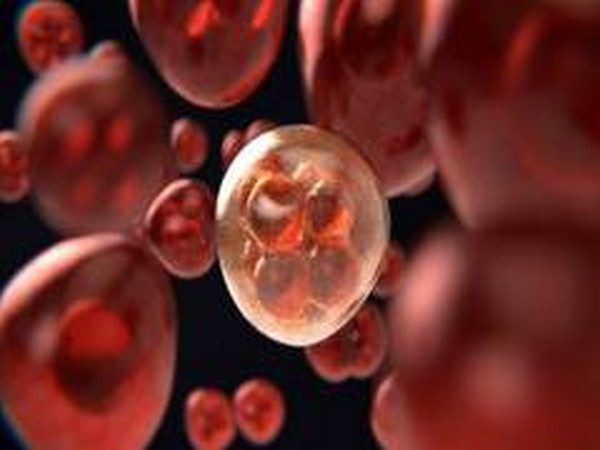
A team of scientists led by the University of Michigan School of Dentistry identified a mechanism by which head and neck cancer cells subvert adjacent normal tissue, allowing small clusters of cancer cells to burrow beneath the healthy tissue.
The team decided to look at this particular mechanism in head and neck cancer because a specific gene, DMBT1, appeared on a screen of genes that are silenced during oral cancer, said principal investigator Nisha D'Silva, the Donald A. Kerr Endowed Collegiate Professor of Oral Pathology.
Researchers from the D'Silva lab found that when DMBT1 was suppressed in head and neck cancer cells, it promoted aggressive invasion and metastasis in laboratory studies and was associated with metastasis in patients.
They also found that two proteins secreted by head and neck cancer cells suppress DMBT1 in nearby healthy tissue, subverting it to promote invasion of a small number of cancer cells, which burrow under healthy tissue.
Researchers looked at this mechanism in mice, chick embryos and cultures of human cancer cells. In the chick embryos, none of the tumours that overexpressed DMBT1 metastasized, whereas most of the control tumours that had low DMBT1 metastasized, D'Silva said.
"The importance of this paper is that loss of DMBT1 in cancer cells and adjacent normal tissue benefits cancer cells, allowing them to travel in tiny groups away from the main tumour," she said. "That is why cancer cells enlist the help of the adjacent tissue. Finding ways to interrupt this communication and enhance DMBT1 expression could help improve outcome."
The findings, published in the Journal of Experimental Medicine, could open possibilities for new therapeutics that target proteins in cancer cells that regulate DMBT1 and could have implications for other cancers in which DMBT1 expression is altered, D'Silva said.
"We are familiar with cancer cells enlisting the help of other cell types to grow and spread," she said. "Our research demonstrated that cancer cells also communicate with healthy cells of their own cell type to facilitate spread."
Head and neck cancer is the sixth most common cancer in the world, with 600,000 new cases annually. (ANI)
Get the App