

ADD ANI AS A TRUSTED SOURCE
googleads
ANI Logo
Menu
Health

Having close relative with blood cancer increases one's own risk: Study

Washington D.C. [USA], Aug 8 (ANI): People who have a parent, sibling, or child with blood cancer have an increased likelihood of being diagnosed with the disease, suggests a study.

ANI Aug 08, 2019 22:59 IST googleads

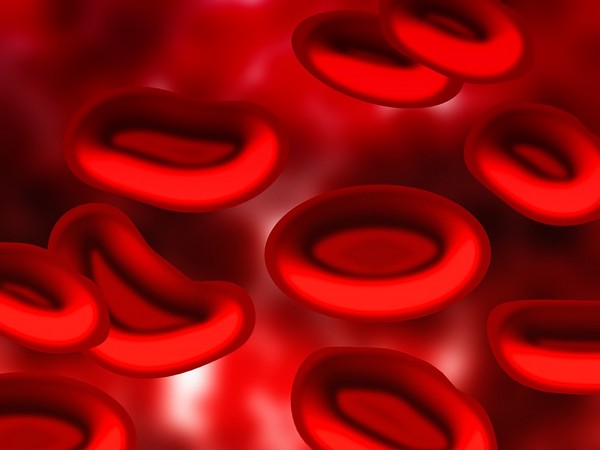
Representative image

Washington D.C. [USA], Aug 8 (ANI): People who have a parent, sibling, or child with blood cancer have an increased likelihood of being diagnosed with the disease, suggests a study.
According to the study published in the journal 'Blood' age of diagnosis, whether the relative is a parent, sibling, or child, and the number of affected first-degree relatives play a defining role in the relative risk of developing certain blood cancers.
"This information improves our understanding of the causes of - and potential inherited predisposition to - blood cancers and should inform the identification and characterization of genetic risk factors for blood cancer, as well as how we best clinically manage patients and their relatives," said Amit Sud, the study's lead author.
Cases with a familial link represented 4.1 per cent of all blood cancer diagnoses. Highest relative risks were seen for certain Hodgkin lymphoma (HL) subtypes, lymphoplasmacytic lymphoma, and mantle cell lymphoma. Markedly elevated familial risks were also observed for polycythemia vera, myelodysplasia, and essential thrombocythemia.
While there are currently no definitive screening initiatives for blood cancers, a 2016 revision to the World Health Organisation classification of myeloid neoplasms and acute leukaemia recognised the familial disease as an essential component of diagnosing certain subsets of blood cancers and underscores the need to further examine and understand familial risk.
"We hope this robust data will be used to inform guidelines on genetic testing and screening. Certainly, there are a number of individuals, such as those with a relative diagnosed at a young age and or with more than one affected first-degree relatives, for whom counseling, genetic testing, and surveillance may be appropriate," Dr. Sud said.
The present analysis included 153,115 patients with confirmed blood cancer and 391,131 first-degree relatives, which allowed Dr. Sud and colleagues to fully characterize familial risk across all blood cancer types.
For specific blood cancers such as chronic lymphocytic leukaemia (CLL), the increase in risk is dependent on the age of the affected relative; whether it is a parent, sibling, or child; and the number of affected first-degree relatives. For example, for non-Hodgkin lymphoma, HL, and CLL, the risk was higher among those who had a sibling with the disease, whereas others blood cancers were more likely to occur if a parent had been diagnosed.
Generally, the familial risk was more pronounced when relatives were diagnosed at younger ages. Dr. Sud added that the analysis also has potential implications for the selection of related stem-cell donors used for the treatment of these malignancies. (ANI)

Get the App

What to Read Next

Health

The truth about ‘Eating for Two’ explained by doctors

The truth about ‘Eating for Two’ explained by doctors

Health experts warn that interpreting the advice literally can lead to excessive calorie intake, unhealthy weight gain and a higher risk of Gestational Diabetes Mellitus (GDM), a condition that affects blood sugar levels during pregnancy.

Read More
Health

High-fat keto diet may boost exercise benefits

High-fat keto diet may boost exercise benefits

A new study suggests that eating more fat rather than less could help the body gain greater benefits from exercise when blood sugar levels are high, offering an unexpected perspective on how diet and physical activity work together to support metabolic health.

Read More
Health

Scientists discover reason high altitude protects against diabete

Scientists discover reason high altitude protects against diabete

Living at high altitude appears to protect against diabetes, and scientists have finally discovered the reason. When oxygen levels drop, red blood cells switch into a new metabolic mode and absorb large amounts of glucose from the blood.

Read More
Health

Scientists reveal how exercise protects brain from Alzheimer's

Scientists reveal how exercise protects brain from Alzheimer's

Exercise may sharpen the mind by repairing the brain's protective shield. Researchers found that physical activity prompts the liver to release an enzyme that removes a harmful protein, causing the blood-brain barrier to become leaky with age.

Read More
Health

Scientists find clue to human brain evolution in finger length

Scientists find clue to human brain evolution in finger length

Human evolution has long been tied to growing brain size, and new research suggests prenatal hormones may have played a surprising role. By studying the relative lengths of the index and ring fingers, a marker of prenatal exposure to oestrogen and testosterone, researchers found that higher prenatal oestrogen exposure was associated with larger head size in newborn boys.

Read More
Health

Scientists solve a major roadblock in cancer cell therapy: Study 

Scientists solve a major roadblock in cancer cell therapy: Study 

Researchers have found a reliable way to grow helper T cells from stem cells, solving a major challenge in immune-based cancer therapy. Helper T cells act as the immune system's coordinators, helping other immune cells fight longer and harder.

Read More
Health

Injection turns sleeping tumour immune cells into cancer fighters

Injection turns sleeping tumour immune cells into cancer fighters

The Korea Advanced Institute of Science and Technology (KAIST) researchers have developed a way to reprogram immune cells already inside tumours into cancer-killing machines.

Read More
Health

High-fat diets give liver cancer a dangerous head start: Study

High-fat diets give liver cancer a dangerous head start: Study

A high-fat diet does more than overload the liver with fat. New research from MIT shows that prolonged exposure to fatty foods can push liver cells into a survival mode that quietly raises the risk of cancer.

Read More
Health

Researchers have decoded rare cancer fighting plant compound

Researchers have decoded rare cancer fighting plant compound

UBC Okanagan researchers have uncovered how plants create mitraphylline, a rare natural compound linked to anti-cancer effects.

Read More
Health

Hidden blood molecules show surprising anti-ageing power: Study

Hidden blood molecules show surprising anti-ageing power: Study

Scientists have discovered new anti-ageing compounds produced by a little-studied blood bacterium, opening up promising avenues for future skin-rejuvenation therapies.

Read More
Home About Us Our Products Advertise Contact Us Terms & Condition Privacy Policy

Copyright © aninews.in | All Rights Reserved.


