

ADD ANI AS A TRUSTED SOURCE
googleads
ANI Logo
Menu
Health

Glaucoma study findings emphasise need for regular eye checks

Bradford [UK], July 17 (ANI): People with early-stage glaucoma see the contrast of visible objects in a very similar way to people without the condition, a new study has shown.

ANI Jul 17, 2020 10:26 IST googleads

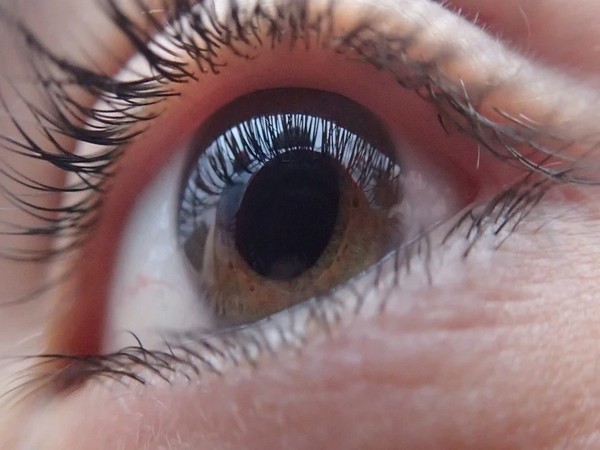
Representative image

Bradford [UK], July 17 (ANI): People with early-stage glaucoma see the contrast of visible objects in a very similar way to people without the condition, a new study has shown.
Research by the University of Bradford (UK) demonstrated that the brain compensates for the changes in the eye caused by glaucoma when looking at objects with everyday levels of contrast. The findings add to the understanding of why glaucoma patients report few early symptoms of the disease and may not seek testing until their disease is more advanced.
Glaucoma is a common eye condition affecting half a million people in Britain, where the optic nerve which connects the eye to the brain becomes damaged. It develops slowly over many years and affects peripheral vision first. If untreated, glaucoma results in permanent vision loss.
Glaucoma makes it harder to see the contrast - the differences between shades of light and dark - so the eyes are less able to detect low contrast objects. But until now it's not been clear if this contrast sensitivity loss means that patients with glaucoma see visible objects in a different way from healthy people.
The University of Bradford team has shown that people with glaucoma see detectable contrast in the same way as healthy patients, despite their measurable vision loss.
In the study, 20 participants with early- to moderate- stage glaucoma had their disease confirmed, and their areas of peripheral vision loss mapped. They were then asked to respond to a screen display of patterned patches.
They adjusted the controls until an image in their poor areas of vision looked equally as bright or dim as a central patterned patch. An eye tracker was used to ensure each patient was looking in the correct place before the central patch could be seen. A control group of healthy participants was tested in the same way.
The researchers found that participants with glaucoma didn't see the image as paler, or 'greyed out' in any way; instead they saw it in exactly the same way as people with healthy vision. The results suggest that glaucoma patients' brains are compensating for damage to the optic nerve.
"This underlines why it's so important to get eyes tested routinely so that glaucoma can be picked up before damage is established. It ties in with the fact that people who have glaucoma initially don't report any symptoms: their brains are successfully overcoming a loss of contrast sight," said Dr Jonathan Denniss, a qualified optometrist and lecturer at the University of Bradford, led the study.
"It's always struck me as strange that we all accept the need for routine dental checks to maintain the health of our teeth and mouth, but that routine eye checks among the general population are not considered as important. This is a reminder to get your eyes checked regularly, even if they seem to be fine," Denniss added. (ANI)


Get the App

What to Read Next

Health

New eye drops slow vision loss in animals: Study

New eye drops slow vision loss in animals: Study

Researchers have developed eye drops that extend vision in animal models of a group of inherited diseases that lead to progressive vision loss in humans, known as retinitis pigmentosa.

Read More
Health

Research reveals new insights into retinal thickness

Research reveals new insights into retinal thickness

Researchers have conducted one of the largest eye studies in the world to reveal new insights into retinal thickness, highlighting its potential in the early detection of diseases like type 2 diabetes, dementia and multiple sclerosis.

Read More
Health

Eye ultrasounds help detecting brain shunt failure

Eye ultrasounds help detecting brain shunt failure

A recent study suggests that using an ocular ultrasound in the emergency room could help detect children with brain drainage tube failure quickly and safely.

Read More
Health

Kids with ‘lazy eye’ at higher risk of serious disease: Study

Kids with ‘lazy eye’ at higher risk of serious disease: Study

According to a new study performed by UCL researchers, those who had amblyopia ('lazy eye') in childhood are more likely to experience hypertension, obesity, and metabolic syndrome in adulthood, as well as an increased risk of heart attacks.

Read More
Health

Gut bacteria may cause blindness due to some inherited eye issues

Gut bacteria may cause blindness due to some inherited eye issues

Sight loss in certain inherited eye illnesses may be caused by gut bacteria and could be treated with antimicrobials, according to a new study in mice conducted by a UCL and Moorfields researcher.

Read More
Health

This oil can be natural treatment for dry eye conditions

This oil can be natural treatment for dry eye conditions

Researchers at the University of Auckland are conducting a clinical trial of castor oil as a potentially safe and natural treatment for dry eye conditions.

Read More
Health

Eye scans offer important information regarding kidney health

Eye scans offer important information regarding kidney health

According to research, 3D eye scans can provide vital information about kidney health and help track disease progression.

Read More
Health

Eye scans provide vital information about kidney health: Study

Eye scans provide vital information about kidney health: Study

According to studies, 3D eye scans can give critical information about kidney health that can assist in tracking disease progression.

Read More
Health

Study reveals eye implant can be used to treat diabetes

Study reveals eye implant can be used to treat diabetes

Swedish researchers have developed a microscale device for implantation in the eye, opening up new possibilities for cell-based treatment of diabetes and other disorders.

Read More
Health

Study sheds more light into type 2 diabetes diagnosis

Study sheds more light into type 2 diabetes diagnosis

Research suggests that some patients may be able to acquire a type 2 diabetes diagnosis sooner.

Read More


