

ADD ANI AS A TRUSTED SOURCE
googleads
Menu
Health

Genetic malfunction of brain astrocytes triggers migraine: Study

Migraine is one of the most disabling disorders, affecting one in seven people and causing a tremendous social and economic burden. Several findings suggest that migraine is a disease affecting a large part of the central nervous system and characterized by a global dysfunction in sensory information processing and integration, which also occurs between migraine episodes (interictal period). For example, patients with migraine exhibit increased cortical responses to sensory stimuli during the interictal period. At present, the cellular mechanisms responsible for these alterations are largely unknown.

ANI Nov 27, 2022 20:19 IST googleads

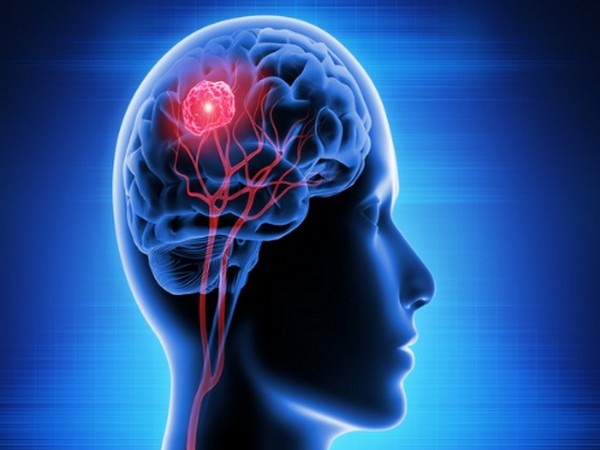
Representative Image

Washington [US], November 27 (ANI): Migraine is one of the most disabling disorders, affecting one in seven people and causing a tremendous social and economic burden. Several findings suggest that migraine is a disease affecting a large part of the central nervous system and characterized by a global dysfunction in sensory information processing and integration, which also occurs between migraine episodes (interictal period). For example, patients with migraine exhibit increased cortical responses to sensory stimuli during the interictal period. At present, the cellular mechanisms responsible for these alterations are largely unknown.
A team of neuroscientists led by Mirko Santello at the Institute of Pharmacology and Toxicology of the University of Zurich, in collaboration with the University of Padua, has identified a new mechanism implicated in a special form of migraine caused by genetic mutation. They report that this familial hemiplegic migraine type 2 (FHM2) causes a malfunction of astrocytes in the cingulate cortex, a brain region that is involved in the feeling of pain. Astrocytes, specific star-shaped brain cells, are essential contributors to neuronal function and have a strong impact on brain circuits and behavior.
"Despite their abundance, astrocytes have been relatively overlooked by neuroscientists," says Mirko Santello, last author of the study. Yet these cells are extremely important to clear transmitters released by neurons. In their study the researchers were able to show that in familial migraine the astrocytes cannot remove excessive transmitters released by neurons. "The impairment in astrocytic glutamate uptake in the cingulate cortex strongly enhances cortical dendritic excitability and thus enhances firing of the neurons," Santello says.
Furthermore, the study reported that the malfunction of the cingulate cortex also influences migraine occurrence. In a mouse model, the researchers showed that the mice displayed increased sensitivity to head pain triggers. "By manipulating astrocytes in the cingulate cortex, we were able to reverse their dysfunction. This prevented an increase in head pain in mice carrying the genetic defect," says Jennifer Romanos, first author of the study.
Migraine is a complicated disorder that affects part of the nervous system. "Our results provide a clear example of how astrocyte dysfunction produced by a genetic defect affects neuronal activity and sensitivity to head pain triggers," explains Mirko Santello. The findings help to better understand migraine pathophysiology and suggest that the cingulate cortex may represent a critical hub in the disease. The demonstration of the link between dysfunction of astrocytes in the cingulate cortex and familial migraine could help in devising new migraine treatment strategies. (ANI)


Get the App

What to Read Next

Health

High-fat keto diet may boost exercise benefits

High-fat keto diet may boost exercise benefits

A new study suggests that eating more fat rather than less could help the body gain greater benefits from exercise when blood sugar levels are high, offering an unexpected perspective on how diet and physical activity work together to support metabolic health.

Read More
Health

Scientists reveal how exercise protects brain from Alzheimer's

Scientists reveal how exercise protects brain from Alzheimer's

Exercise may sharpen the mind by repairing the brain's protective shield. Researchers found that physical activity prompts the liver to release an enzyme that removes a harmful protein, causing the blood-brain barrier to become leaky with age.

Read More
Health

Scientists find clue to human brain evolution in finger length

Scientists find clue to human brain evolution in finger length

Human evolution has long been tied to growing brain size, and new research suggests prenatal hormones may have played a surprising role. By studying the relative lengths of the index and ring fingers, a marker of prenatal exposure to oestrogen and testosterone, researchers found that higher prenatal oestrogen exposure was associated with larger head size in newborn boys.

Read More
Health

MRI scans show exercise can make the brain look younger

MRI scans show exercise can make the brain look younger

New research suggests that consistent aerobic exercise can help keep your brain biologically younger. Adults who exercised regularly for a year showed brains that appeared nearly a year younger than those who didn't change their habits.

Read More
Health

Scientists find hidden synapse hotspots in the teen brain: Study

Scientists find hidden synapse hotspots in the teen brain: Study

The scientists have discovered that the adolescent brain does more than prune old connections. During the teen years, it actively builds dense new clusters of synapses in specific parts of neurons.

Read More
Home About Us Our Products Advertise Contact Us Terms & Condition Privacy Policy

Copyright © aninews.in | All Rights Reserved.
