

ADD ANI AS A TRUSTED SOURCE
googleads
ANI Logo
Menu
Health

Fertility or pregnancy not affected by COVID-19 vaccination, suggests new study

New York [US], January 26 (ANI): One of the biggest fears and doubts that makes people think twice before getting vaccinated is its impact on pregnancy and fertility. Now, a new study has found that vaccination against COVID-19 did not affect fertility outcomes in patients undergoing in-vitro fertilization (IVF).

ANI Jan 26, 2022 17:46 IST googleads

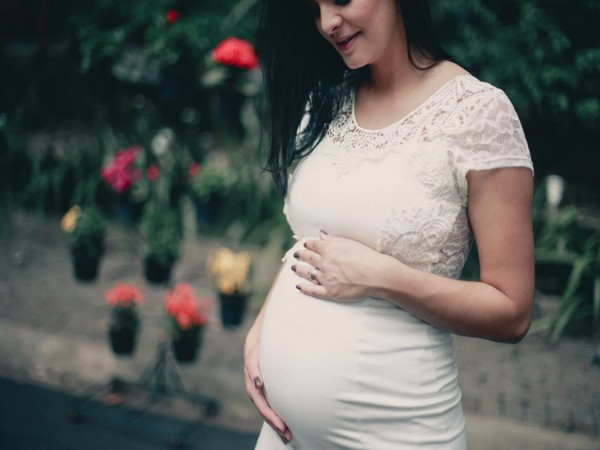
Representative image

New York [US], January 26 (ANI): One of the biggest fears and doubts that makes people think twice before getting vaccinated is its impact on pregnancy and fertility. Now, a new study has found that vaccination against COVID-19 did not affect fertility outcomes in patients undergoing in-vitro fertilization (IVF).
The findings, which were published in 'Obstetrics & Gynecology' (the Green Journal), added to the growing body of evidence providing reassurance that COVID-19 vaccination does not affect fertility.
Investigators at the Icahn School of Medicine at Mount Sinai (Icahn Mount Sinai), New York City, and Reproductive Medicine Associates of New York (RMA of New York) compared rates of fertilization, pregnancy, and early miscarriage in IVF patients who had received two doses of vaccines manufactured by Pfizer or Moderna with the same outcomes in nonvaccinated patients.
"This is one of the largest studies to review fertility and IVF cycle outcomes in patients who received COVID-19 vaccinations. The study found no significant differences in response to ovarian stimulation, egg quality, embryo development, or pregnancy outcomes between the vaccinated compared to unvaccinated patients," said Devora A. Aharon, MD, first author of the study.
"Our findings that vaccination had no impact on these outcomes should be reassuring to those who are trying to conceive or are in early pregnancy," added Dr Aharon, who is a fellow in reproductive endocrinology and infertility at Icahn Mount Sinai and RMA of New York.
The study involved patients whose eggs were collected from the ovaries and fertilized by sperm in a laboratory, creating embryos that were frozen and later thawed and transferred to the womb, and patients who underwent medical treatment to stimulate the development of eggs. The two groups of patients who underwent frozen-thawed embryo transfer--214 vaccinated and 733 unvaccinated--had similar rates of pregnancy and early pregnancy loss.
The two groups of patients who underwent ovarian stimulation--222 vaccinated and 983 unvaccinated--had similar rates of eggs retrieved, fertilization, and embryos with normal numbers of chromosomes, among several other measures.
The authors of the study anticipated that the findings would ease the anxiety of people considering pregnancy.
"By leveraging science and big data, we can help reassure patients of reproductive age and enable them to make the best decisions for themselves. It will give people comfort to know that the COVID-19 vaccine does not affect their reproductive potential," said senior author Alan B. Copperman, MD, FACOG, division director and clinical professor of obstetrics, gynecology and reproductive science at Icahn Mount Sinai and director of RMA of New York, which is recognized internationally as a leading center of reproductive medicine.
The patients in the study were treated at RMA of New York between February and September 2021. Patients undergoing IVF treatment are closely tracked, enabling the researchers to capture early data on the implantation of embryos in addition to pregnancy losses that might be undercounted in other studies.
The publication of the new study coincided with the surge of the highly contagious Omicron variant.
Previous studies have found that COVID-19 vaccination helped protect pregnant people--for whom COVID-19 substantially increases the risk of severe illness and death--from severe illness, conferred antibodies to their infants, and did not raise the risk of preterm birth or fetal growth problems. (ANI)


Get the App

What to Read Next

Health

The truth about ‘Eating for Two’ explained by doctors

The truth about ‘Eating for Two’ explained by doctors

Health experts warn that interpreting the advice literally can lead to excessive calorie intake, unhealthy weight gain and a higher risk of Gestational Diabetes Mellitus (GDM), a condition that affects blood sugar levels during pregnancy.

Read More
Health

High-fat keto diet may boost exercise benefits

High-fat keto diet may boost exercise benefits

A new study suggests that eating more fat rather than less could help the body gain greater benefits from exercise when blood sugar levels are high, offering an unexpected perspective on how diet and physical activity work together to support metabolic health.

Read More
Health

Pre-workout supplements may cut sleep in half for young users

Pre-workout supplements may cut sleep in half for young users

A popular fitness trend among young people may be quietly undermining their sleep. A new study led by researchers at the University of Toronto has found that teenagers and young adults who use pre-workout supplements are significantly more likely to experience extremely short sleep durations.

Read More
Health

The more you fear aging, the faster your body may age

The more you fear aging, the faster your body may age

Worrying about getting older especially fearing future health problems may actually speed up aging at the cellular level, according to new research from NYU.

Read More
Health

Scientists reveal how exercise protects brain from Alzheimer's

Scientists reveal how exercise protects brain from Alzheimer's

Exercise may sharpen the mind by repairing the brain's protective shield. Researchers found that physical activity prompts the liver to release an enzyme that removes a harmful protein, causing the blood-brain barrier to become leaky with age.

Read More
Health

MRI scans show exercise can make the brain look younger

MRI scans show exercise can make the brain look younger

New research suggests that consistent aerobic exercise can help keep your brain biologically younger. Adults who exercised regularly for a year showed brains that appeared nearly a year younger than those who didn't change their habits.

Read More
Health

Swedish study reveals when fitness and strength begin to fade

Swedish study reveals when fitness and strength begin to fade

A long-running Swedish study has followed adults for nearly five decades, uncovering when physical decline truly begins. Fitness and strength start slipping around age 35, then worsen gradually with age.

Read More
Health

Memory loss can suddenly speed up with age: Study

Memory loss can suddenly speed up with age: Study

A massive international brain study has revealed that memory decline with age isn't driven by a single brain region or gene, but by widespread structural changes across the brain that build up over time.

Read More
Health

Injection turns sleeping tumour immune cells into cancer fighters

Injection turns sleeping tumour immune cells into cancer fighters

The Korea Advanced Institute of Science and Technology (KAIST) researchers have developed a way to reprogram immune cells already inside tumours into cancer-killing machines.

Read More
Health

Eating more vitamin C can physically change your skin

Eating more vitamin C can physically change your skin

Scientists discovered that vitamin C from food travels through the bloodstream into every layer of the skin, boosting collagen and skin renewal.

Read More
Home About Us Our Products Advertise Contact Us Terms & Condition Privacy Policy

Copyright © aninews.in | All Rights Reserved.
