

ADD ANI AS A TRUSTED SOURCE
googleads
ANI Logo
Menu
Health

Exercise effectively treats anxiety: Study

Gothenburg [Sweden], January 2 (ANI): According to a recent study, moderate and strenuous exercise alleviate symptoms of anxiety, even when the disorder is chronic.

ANI Jan 02, 2022 22:39 IST googleads

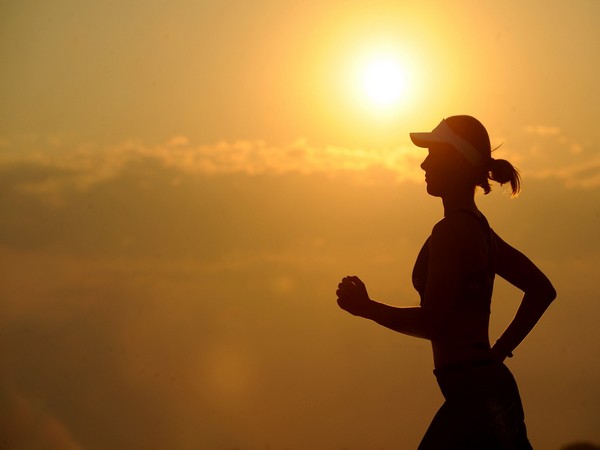
Representative image

Gothenburg [Sweden], January 2 (ANI): According to a recent study, moderate and strenuous exercise alleviate symptoms of anxiety, even when the disorder is chronic.
The research has been published in the 'Journal of Affective Disorders'. The study was based on 286 patients with anxiety syndrome, recruited from primary care services in Gothenburg and the northern part of Halland County.
Half of the patients had lived with anxiety for at least ten years. Their average age was 39 years, and 70 per cent were women. Through drawing of lots, participants were assigned to group exercise sessions, either moderate or strenuous, for 12 weeks.
The results showed that their anxiety symptoms were significantly alleviated even when the anxiety was a chronic condition, compared with a control group who received advice on physical activity according to public health recommendations. Most individuals in the treatment groups went from a baseline level of moderate to high anxiety to a low anxiety level after the 12-week program. For those who exercised at relatively low intensity, the chance of improvement in terms of anxiety symptoms rose by a factor of 3.62.
The corresponding factor for those who exercised at higher intensity was 4.88. Participants had no knowledge of the physical training or counselling people outside their own group was receiving."There was a significant intensity trend for improvement -- that is, the more intensely they exercised, the more their anxiety symptoms improved," stated Malin Henriksson, a doctoral student at Sahlgrenska Academy at the University of Gothenburg, a specialist in general medicine in the Halland Region, and the study's first author.
Previous studies of physical exercise in depression have shown clear symptom improvements. However, a clear picture of how people with anxiety are affected by exercise had been lacking up to now. The present study is described as one of the largest to date. Both treatment groups had 60-minute training sessions three times a week, under a physical therapist's guidance.
The sessions included both cardio (aerobic) and strength training. A warmup was followed by circle training around 12 stations for 45 minutes, and sessions ended with a cool down and stretching. Members of the group that exercised at a moderate level were intended to reach some 60 per cent of their maximum heart rate -- a degree of exertion rated as light or moderate. In the group that trained more intensively, the aim was to attain 75 per cent of maximum heart rate, and this degree of exertion was perceived as high. The levels were regularly validated using the Borg scale, an established rating scale for perceived physical exertion, and confirmed with heart rate monitors.
Today's standard treatments for anxiety are cognitive behavioural therapy (CBT) and psychotropic drugs. However, these drugs commonly have side effects, and patients with anxiety disorders frequently do not respond to medical treatment.
Long waiting times for CBT can also worsen the prognosis. The present study was led by Maria Aberg, associate professor at the University of Gothenburg's Sahlgrenska Academy, a specialist in general medicine in Region Vastra Gotaland's primary healthcare organization, and corresponding author.
"Doctors in primary care need treatments that are individualized, have few side effects and are easy to prescribe. The model involving 12 weeks of physical training, regardless of intensity, represents an effective treatment that should be made available in primary health care more often for people with anxiety issues," Aberg said. (ANI)


Get the App

What to Read Next

Health

The truth about ‘Eating for Two’ explained by doctors

The truth about ‘Eating for Two’ explained by doctors

Health experts warn that interpreting the advice literally can lead to excessive calorie intake, unhealthy weight gain and a higher risk of Gestational Diabetes Mellitus (GDM), a condition that affects blood sugar levels during pregnancy.

Read More
Health

High-fat keto diet may boost exercise benefits

High-fat keto diet may boost exercise benefits

A new study suggests that eating more fat rather than less could help the body gain greater benefits from exercise when blood sugar levels are high, offering an unexpected perspective on how diet and physical activity work together to support metabolic health.

Read More
Health

Pre-workout supplements may cut sleep in half for young users

Pre-workout supplements may cut sleep in half for young users

A popular fitness trend among young people may be quietly undermining their sleep. A new study led by researchers at the University of Toronto has found that teenagers and young adults who use pre-workout supplements are significantly more likely to experience extremely short sleep durations.

Read More
Health

The more you fear aging, the faster your body may age

The more you fear aging, the faster your body may age

Worrying about getting older especially fearing future health problems may actually speed up aging at the cellular level, according to new research from NYU.

Read More
Health

Scientists reveal how exercise protects brain from Alzheimer's

Scientists reveal how exercise protects brain from Alzheimer's

Exercise may sharpen the mind by repairing the brain's protective shield. Researchers found that physical activity prompts the liver to release an enzyme that removes a harmful protein, causing the blood-brain barrier to become leaky with age.

Read More
Health

MRI scans show exercise can make the brain look younger

MRI scans show exercise can make the brain look younger

New research suggests that consistent aerobic exercise can help keep your brain biologically younger. Adults who exercised regularly for a year showed brains that appeared nearly a year younger than those who didn't change their habits.

Read More
Health

Swedish study reveals when fitness and strength begin to fade

Swedish study reveals when fitness and strength begin to fade

A long-running Swedish study has followed adults for nearly five decades, uncovering when physical decline truly begins. Fitness and strength start slipping around age 35, then worsen gradually with age.

Read More
Health

Memory loss can suddenly speed up with age: Study

Memory loss can suddenly speed up with age: Study

A massive international brain study has revealed that memory decline with age isn't driven by a single brain region or gene, but by widespread structural changes across the brain that build up over time.

Read More
Health

Injection turns sleeping tumour immune cells into cancer fighters

Injection turns sleeping tumour immune cells into cancer fighters

The Korea Advanced Institute of Science and Technology (KAIST) researchers have developed a way to reprogram immune cells already inside tumours into cancer-killing machines.

Read More
Health

Eating more vitamin C can physically change your skin

Eating more vitamin C can physically change your skin

Scientists discovered that vitamin C from food travels through the bloodstream into every layer of the skin, boosting collagen and skin renewal.

Read More


