 हिंदी खबर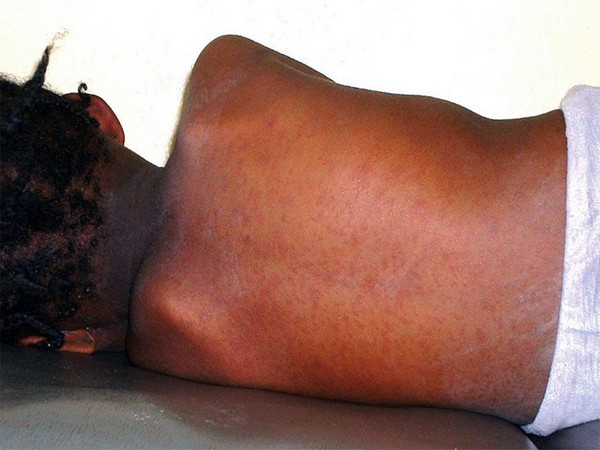

Washington D.C [USA], Jan 10 (ANI): The World Health Organisation (WHO) has reported that 6,000 people have lost their lives to a measles epidemic in the Democratic Republic of Congo (DRC).
The organisation approached its international partners during a recent statement on Tuesday to fight the life-staking disease in the country. According to them, this one can be called 'World's worst Measles Epidemic'.
In a report in CNN, WHO has shared an estimate of 310,000 prospective measles cases that have been registered in Congo since last year and a funds shortage has restricted all efforts to keep the outbreak at.
The health organisation stated that though the agency and the international partner organisations have vaccinated around 18 million Congolese infants under the age of 5 against the disease, routine immunization is still limited in the country.
Among all the reported cases, 25 per cent in the country occurred in children under 5, who are most prone to getting the vaccine-preventable diseases.
"We are doing our utmost to bring this epidemic under control. Yet to be truly successful we must ensure that no child faces the unnecessary risk of death from a disease that is easily preventable by a vaccine," Dr Matshidiso Moeti, WHO's Regional Director for Africa, said in the statement.
"We urge our donor partners to urgently step up their assistance," he added.
The organisation has announced a mobilization $27.6 million, but it needed an additional $40 million to include children from 6 to 14 years of age in the vaccination programs while also fighting other health responses to the outbreak.
Amedee Prosper Djiguimde, the officer in charge of the WHO's office in the DRC, voiced that the agency recognizes government and donor contributions in ending the deadly outbreak. However, he also admits that more effort is needed.
In Djiguimde's words, "Thousands of Congolese families need our help to lift the burden of this prolonged epidemic from their backs. We cannot achieve this without adequate finances."
The Democratic Republic of Congo along with battling measles is also under the devastating influence of the Ebola epidemic since August 2011. It is said to be the second-largest and second deadliest outbreak of the disease in history. (ANI)
DRC faces bout of epidemic that has killed more than 6,000 already
ANI | Updated: Jan 10, 2020 16:02 IST




