

ADD ANI AS A TRUSTED SOURCE
googleads
ANI Logo
Menu
Health

Don't ignore heart attack symptoms, especially while travelling

Washington D.C. [USA], Mar 2 (ANI): A study presented at Acute Cardiovascular Care 20191 a European Society of Cardiology (ESC) congress reiterated the importance of not ignoring heart attack symptoms while travelling and keeping emergency numbers at hand.

ANI Mar 02, 2019 16:06 IST googleads

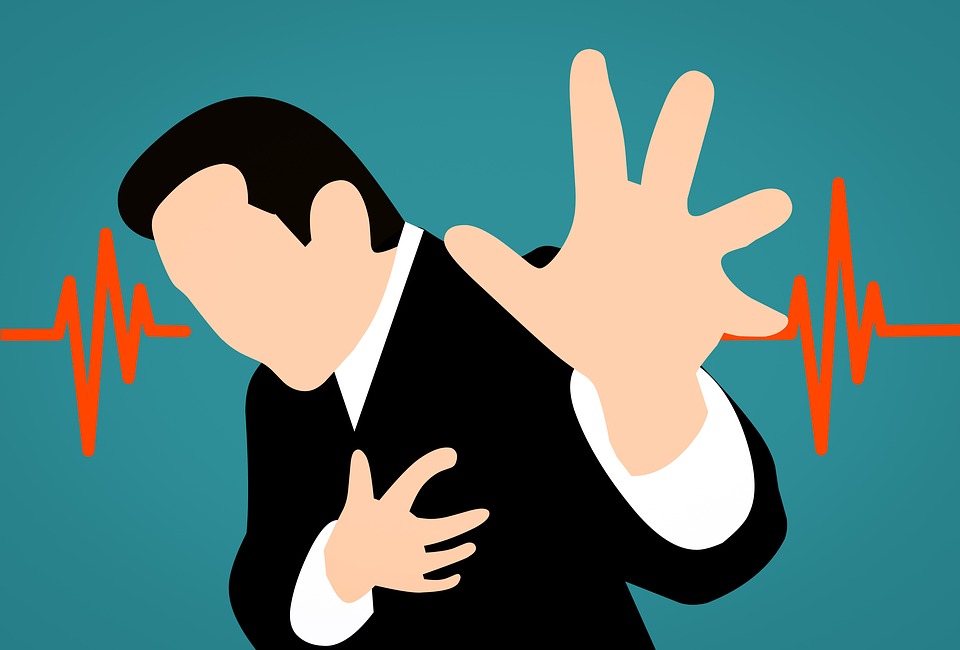
Representative Image

Washington D.C. [USA], Mar 2 (ANI): A study presented at Acute Cardiovascular Care 20191 a European Society of Cardiology (ESC) congress reiterated the importance of not ignoring heart attack symptoms while travelling and keeping emergency numbers at hand.
Cardiovascular disease is the leading cause of natural death among people who are travelling, yet, so far, the long-term outlook for those who have a heart attack while on a trip is unknown.
Speaking about it, study author Dr Ryota Nishio said, “If you are travelling and experience heart attack symptoms such as pain in the chest, throat, neck, back, stomach or shoulders that lasts for more than 15 minutes, call an ambulance without delay.”
This observational study included 2,564 patients who had a heart attack and rapid treatment with a stent (percutaneous coronary intervention; PCI) between 1999 and 2015 at Juntendo University Shizuoka Hospital. The hospital is on the Izu peninsula, a popular tourist destination near Mount Fuji, and is the regional centre for PCI.
The researchers compared the demographic and clinical characteristics in residents versus people travelling. Patients were followed up for 16 years and the death rates were compared between groups. Mortality data were collected from medical records, telephone contact, and postal questionnaires.
A total of 192 patients (7.5 per cent) were travelling at the onset of the heart attack. Patients who were travelling were younger and had a higher prevalence of ST-elevation myocardial infarction (STEMI), a serious type of heart attack in which a major artery supplying blood to the heart is blocked.
The median follow-up period was 5.3 years. Locals had a significantly higher rate of all-cause death (25.4 per cent) compared to non-residents (16.7 per cent; p = 0.0015) but the rate of death from cardiac causes was comparable between groups.
Heart attacks during a trip were associated with a 42 per cent lower risk of long-term all-cause death than those that occurred in residents, after adjusting for age, sex, hypertension, diabetes, dyslipidaemia, chronic kidney disease, current smoking, prior heart attack, Killip class,2 and STEMI (adjusted hazard ratio 0.58; 95% confidence interval 0.38-0.83; p = 0.0020).
"Our study shows that long-term outcomes after a heart attack while travelling can be good if you get prompt treatment," said Dr Nishio, adding, "It is important that, when you are over the immediate emergency phase, and return home, you see your doctor to find out how you can reduce your risk of a second event by improving your lifestyle and potentially taking preventive medication."
He continued "We also found that overall, patients were more likely to die during follow-up if they were older, had prior heart attack, or had chronic kidney disease. If you fall into any of these groups or have other risk factors like high blood pressure, smoking or obesity, it is particularly important to make sure you know the emergency number at home and at any travel destination."
Dr Nishio noted that local patients had a higher rate of non-cardiac death, mainly due to cancer. "This may be because most non-residents were from urban areas where people tend to be more health conscious, actively seek medical advice, and have a greater choice of treatment than in remote areas like the Izu peninsula," he said, adding, "In addition, having a heart attack while away from home is a traumatic event that may create a lasting impression and greater health awareness when patients return home." (ANI)

Get the App

What to Read Next

Health

Air pollution may reduce health benefits of exercise: Study

Air pollution may reduce health benefits of exercise: Study

A new study led by researchers at University College London (UCL) shows that chronic exposure to toxic air can significantly diminish the health benefits of regular physical activity.

Read More
Health

Pregnancy hypertension linked to heart risk

Pregnancy hypertension linked to heart risk

Women who experience hypertensive disorders of pregnancy (HDP) face significantly higher risks of cardiovascular complications, including heart attack, stroke, heart failure, and death, within five years of giving birth, according to a new study by Intermountain Health researchers.

Read More
Health

Research says heart attacks can actually be infectious

Research says heart attacks can actually be infectious

Scientists from Finland and the UK have uncovered groundbreaking evidence that heart attacks may be triggered by infectious processes rather than just cholesterol and lifestyle factors.

Read More
Health

Study reveals hidden heart risks in women with Type 2 Diabetes

Study reveals hidden heart risks in women with Type 2 Diabetes

Women with type 2 diabetes are nearly twice as likely as men to have undetected heart damage, according to a new study by Leicester researchers.

Read More
Health

Lilly Partners with API to launch ‘Obesity Gurukul’

Lilly Partners with API to launch ‘Obesity Gurukul’

Eli Lilly and Company (India), in collaboration with the Association of Physicians of India (API), on Friday announced the launch of 'API - Obesity Gurukul', a flagship Continuing Medical Education (CME) program aimed at enhancing physicians' clinical capabilities to address obesity, which is rapidly emerging as one of India's most pressing public health challenges.

Read More
Health

Mechanism behind life-threatening cancer drug side-effect

Mechanism behind life-threatening cancer drug side-effect

New research has found immune changes in cancer patients that could help identify which patients are most at risk of dangerous heart complications from cancer drugs, known as immune checkpoint inhibitors.

Read More
Health

Study finds out link between nighttime heart rhythm, stroke

Study finds out link between nighttime heart rhythm, stroke

New research has uncovered a powerful link between nighttime heart rhythm and future health conditions, even in people with no obvious sleep problems

Read More
Health

Evolutionary modeling to understand drug resistance

Evolutionary modeling to understand drug resistance

Researchers are working to improve the way we use evolutionary modeling to understand drug resistance. The study uses a "fitness seascape" evolutionary model to predict whether an infection will develop antibiotic resistance. It found that inconsistent timing and missing early doses can lead to treatment failure.

Read More
Health

Waist-to-height ratio predicts heart failure incidence

Waist-to-height ratio predicts heart failure incidence

The waist-to-height ratio predicts the incidence of heart failure, according to data presented today at Heart Failure 2025, a scientific congress of the European Society of Cardiology.

Read More
Health

Study shows why women tend to have faster heartbeats

Study shows why women tend to have faster heartbeats

For decades, doctors and researchers have puzzled over a fundamental heart rhythm mystery: why do women have faster heartbeats while men are more susceptible to developing irregular rhythms like atrial fibrillation (AFib).

Read More
Home About Us Our Products Advertise Contact Us Terms & Condition Privacy Policy

Copyright © aninews.in | All Rights Reserved.




