

ADD ANI AS A TRUSTED SOURCE
googleads
Menu
Health

Discovery opens door for new treatments for Parkinson's, other brain diseases

Washington DC [USA], July 29 (ANI): A discovery has revealed that a protein which was earlier linked to cell dysfunction and death is in fact critical for repairing breaks in DNA. The finding could lead to new treatments for Parkinson's and other brain diseases, suggests a study.

ANI Jul 29, 2019 16:55 IST googleads

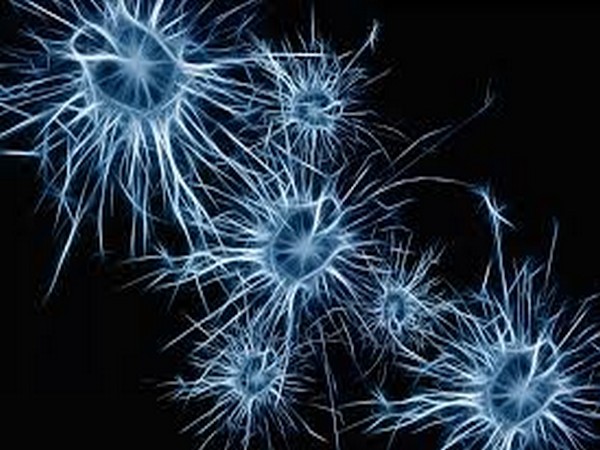
Representative Image

Washington DC [USA], July 29 (ANI): A discovery has revealed that a protein which was earlier linked to cell dysfunction and death is in fact critical for repairing breaks in DNA. The finding could lead to new treatments for Parkinson's and other brain diseases, suggests a study.
The study published in the journal 'Scientific Reports,' demonstrates the role of protein- alpha-synuclein in preventing the death of neurons in brain diseases such as Parkinson's.
The findings suggest that it may be possible to design new therapies to replace alpha-synuclein's function or boost it in people with Parkinson's disease and other neurodegenerative disorders.
It also reveals that aggregates of alpha-synuclein, lewy bodies, are problematic because they pull alpha-synuclein protein out of the nucleus of brain cells.
The study examined the cells of living mice and postmortem brain tissue in humans, revealed that these proteins perform a crucial function by repairing breaks that occur along the vast strands of DNA present in the nucleus of every cell of the body.
Alpha-synuclein's role in DNA repair may be crucial in preventing cell death. This function may be lost in brain diseases such as Parkinson's, leading to the widespread death of neurons.
"It may be the loss of that function that's killing that cell," said Vivek Unni senior author of the study.
Researchers found that the alpha-synuclein protein rapidly recruited to the site of DNA damage in the neurons of mice. In addition, they found increased double-strand breaks in the DNA of human tissue and mice in which the protein was clumped together in the form of Lewy bodies in the cytoplasm surrounding the cell's nucleus. Taken together, the results suggest that alpha-synuclein plays a crucial role in binding broken strands of DNA within the cell's nucleus.
"This is the first time that anyone has discovered one of its functions is DNA repair," Unni said. "That's critical for cell survival, and it appears to be a function that's lost in Parkinson's disease." (ANI)

Get the App

What to Read Next

Health

Scientists reveal how exercise protects brain from Alzheimer's

Scientists reveal how exercise protects brain from Alzheimer's

Exercise may sharpen the mind by repairing the brain's protective shield. Researchers found that physical activity prompts the liver to release an enzyme that removes a harmful protein, causing the blood-brain barrier to become leaky with age.

Read More
Health

Scientists find clue to human brain evolution in finger length

Scientists find clue to human brain evolution in finger length

Human evolution has long been tied to growing brain size, and new research suggests prenatal hormones may have played a surprising role. By studying the relative lengths of the index and ring fingers, a marker of prenatal exposure to oestrogen and testosterone, researchers found that higher prenatal oestrogen exposure was associated with larger head size in newborn boys.

Read More
Health

MRI scans show exercise can make the brain look younger

MRI scans show exercise can make the brain look younger

New research suggests that consistent aerobic exercise can help keep your brain biologically younger. Adults who exercised regularly for a year showed brains that appeared nearly a year younger than those who didn't change their habits.

Read More
Health

Scientists find hidden synapse hotspots in the teen brain: Study

Scientists find hidden synapse hotspots in the teen brain: Study

The scientists have discovered that the adolescent brain does more than prune old connections. During the teen years, it actively builds dense new clusters of synapses in specific parts of neurons.

Read More
Health

Memory loss can suddenly speed up with age: Study

Memory loss can suddenly speed up with age: Study

A massive international brain study has revealed that memory decline with age isn't driven by a single brain region or gene, but by widespread structural changes across the brain that build up over time.

Read More
Home About Us Our Products Advertise Contact Us Terms & Condition Privacy Policy

Copyright © aninews.in | All Rights Reserved.


