Digital pathology set to be game changer in medical industry
Researchers have automated a microscope scanning and analysis system that has been tested, implemented and accredited ready for rollout around the world. The system significantly enhanced tests in terms of cost, quality, and speed, according to UQ Professor of AI Brian Lovell.
ANI
Jul 21, 2023 11:09 IST

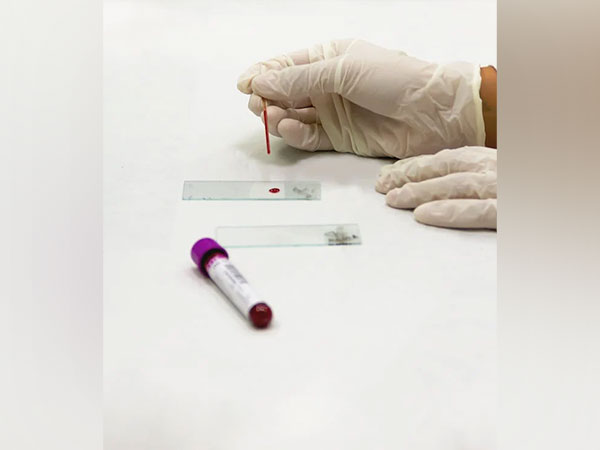
Washington DC [US], July 21 (ANI): Researchers have automated a microscope scanning and analysis system that has been tested, implemented and accredited ready for rollout around the world.
The system significantly enhanced tests in terms of cost, quality, and speed, according to UQ Professor of AI Brian Lovell.
“This digital pathology technology processes thousands of tests a day and has been accredited by the National Association of Testing Authorities (NATA),” Professor Lovell said.
“At times the system can increase the productivity of pathologists and scientists by factors of 10 or more.
“The system also provides the ability to obtain second opinions via telepathology and dramatically improves record keeping and access of historical records, as the glass slides are no longer needed to be archived for years.”
SNP Chief Executive Officer Dr Michael Harrison said the technology is a game changer in many areas of healthcare.
“SNP laboratories in Brisbane are already using the system to improve the speed and accuracy of diagnoses,” Dr Harrison said.
“Our scientists now use a digitised image often with associated AI instead of being tied to a microscope for many hours.”
“This is the most significant change in the performance of morphological tests for decades.”
Professor Lovell said there had previously been major problems with obtaining sharp, in-focus images with no human intervention.
“Digital pathology images are often thousands of times larger than typical digital photos,” he said.
“This meant microscopy for diagnosing from tissue, blood and other specimen types was unable to be automated until now.
“Our active scanner knows what it is scanning and where it should scan, using image analysis and artificial intelligence.
“This greatly increases image quality and reduces file size.”
CEO of UQ commercialisation company UniQuest, Dr Dean Moss, said the technology demonstrated the benefits of industry collaboration with innovative researchers.
“It’s exciting to see the advancement of a project that promises to have a transformative impact on better health outcomes,” Dr Moss said. (ANI)
Get the App