

ADD ANI AS A TRUSTED SOURCE
googleads
ANI Logo
Menu
Health

Daytime napping lowers risk of heart attack, finds study

Washington D.C. [India], Sept 10 (ANI): Taking a nap during daytime can not only refresh you but also lower the risk of heart attack or stroke if taken once or twice in a week, found a new study.

ANI Sep 10, 2019 05:38 IST googleads

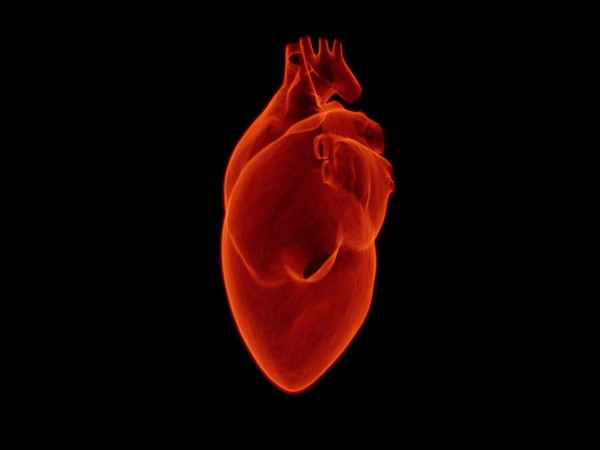
Representative Image

Washington D.C. [India], Sept 10 (ANI): Taking a nap during daytime can not only refresh you but also lower the risk of heart attack or stroke if taken once or twice in a week, found a new study.
The impact of napping on heart health has been hotly contested since many of the published studies on the topic have failed to consider napping frequency, or focused purely on cardiovascular disease deaths, or compared regular nappers with those not opting for a mini siesta.
In the study published in the Journal 'Heart', researchers looked at the association between napping frequency and average nap duration and the risk of fatal and non-fatal cardiovascular disease 'events,' such as heart attack, stroke, or heart failure, among 3462 randomly selected residents of Lausanne, Switzerland.
Each participant was aged between 35 and 75 when recruited between 2003 and 2006 to the CoLaus study.
The first check-up took place between 2009 and 2012 when information on their sleep and nap patterns in the previous week was collected, and their health was then subsequently monitored for an average of 5 years.
Over half (58 per cent, 2014) of the participants said they didn't nap during the previous week; around one in five (19 per cent, 667) said they took one to two naps; around one in 10 (12 per cent, 411) said they took three to five; while a similar proportion (11 per cent, 370) said they took six to seven.
Frequent nappers (3-7 naps a week) tended to be older, male, smokers, weigh more, and to sleep for longer at night than those who said they didn't nap during the day.
And they reported more daytime sleepiness and more severe obstructive sleep apnoea--a condition in which the walls of the throat relax and narrow during sleep, interrupting normal breathing.
During the monitoring period, there were 155 fatal and non-fatal cardiovascular disease 'events'.
Occasional napping, once to twice weekly, was associated with an almost halving in attack/stroke/heart failure risk (48 per cent) compared with those who didn't nap at all.
This association held true after taking account of potentially influential factors, such as age, and nighttime sleep duration, as well as other cardiovascular disease risks, such as high blood pressure/cholesterol.
And it didn't change after factoring in excessive daytime sleepiness, depression, and regularly sleeping for at least 6 hours a night. Only older age (65+) and severe sleep apnoea affected it.
But the 67 per cent heightened cardiovascular risk initially observed for frequent nappers virtually disappeared after taking account of potentially influential factors. And no associations with cardiovascular disease 'events' were found for nap length (from 5 minutes to 1 hour plus). (ANI)

Get the App

What to Read Next

Health

Pre-workout supplements may cut sleep in half for young users

Pre-workout supplements may cut sleep in half for young users

A popular fitness trend among young people may be quietly undermining their sleep. A new study led by researchers at the University of Toronto has found that teenagers and young adults who use pre-workout supplements are significantly more likely to experience extremely short sleep durations.

Read More
Health

Air pollution may reduce health benefits of exercise: Study

Air pollution may reduce health benefits of exercise: Study

A new study led by researchers at University College London (UCL) shows that chronic exposure to toxic air can significantly diminish the health benefits of regular physical activity.

Read More
Health

Pregnancy hypertension linked to heart risk

Pregnancy hypertension linked to heart risk

Women who experience hypertensive disorders of pregnancy (HDP) face significantly higher risks of cardiovascular complications, including heart attack, stroke, heart failure, and death, within five years of giving birth, according to a new study by Intermountain Health researchers.

Read More
Health

Research says heart attacks can actually be infectious

Research says heart attacks can actually be infectious

Scientists from Finland and the UK have uncovered groundbreaking evidence that heart attacks may be triggered by infectious processes rather than just cholesterol and lifestyle factors.

Read More
Health

Study reveals hidden heart risks in women with Type 2 Diabetes

Study reveals hidden heart risks in women with Type 2 Diabetes

Women with type 2 diabetes are nearly twice as likely as men to have undetected heart damage, according to a new study by Leicester researchers.

Read More
Health

Mechanism behind life-threatening cancer drug side-effect

Mechanism behind life-threatening cancer drug side-effect

New research has found immune changes in cancer patients that could help identify which patients are most at risk of dangerous heart complications from cancer drugs, known as immune checkpoint inhibitors.

Read More
Health

Study finds out link between nighttime heart rhythm, stroke

Study finds out link between nighttime heart rhythm, stroke

New research has uncovered a powerful link between nighttime heart rhythm and future health conditions, even in people with no obvious sleep problems

Read More
Health

Waist-to-height ratio predicts heart failure incidence

Waist-to-height ratio predicts heart failure incidence

The waist-to-height ratio predicts the incidence of heart failure, according to data presented today at Heart Failure 2025, a scientific congress of the European Society of Cardiology.

Read More
Health

Study shows why women tend to have faster heartbeats

Study shows why women tend to have faster heartbeats

For decades, doctors and researchers have puzzled over a fundamental heart rhythm mystery: why do women have faster heartbeats while men are more susceptible to developing irregular rhythms like atrial fibrillation (AFib).

Read More
Health

Study finds how obesity linked to long Covid

Study finds how obesity linked to long Covid

People with excess weight are more likely to experience long-term neurological and mental health symptoms after Covid-19, including headache, vertigo, smell and taste disorders, sleep disturbance, and depression.

Read More
Home About Us Our Products Advertise Contact Us Terms & Condition Privacy Policy

Copyright © aninews.in | All Rights Reserved.




