

ADD ANI AS A TRUSTED SOURCE
googleads
ANI Logo
Menu
Health

Daily use of Cholesterol-lowering medicine related to a decrease in COVID-19 severity, risk of mortality

New Orleans [US], October 23 (ANI): A research of over 38,000 people found that commonly used cholesterol-lowering statins may decrease the risk of mortality and the severity of COVID-19 disease.

ANI Oct 23, 2022 03:55 IST googleads

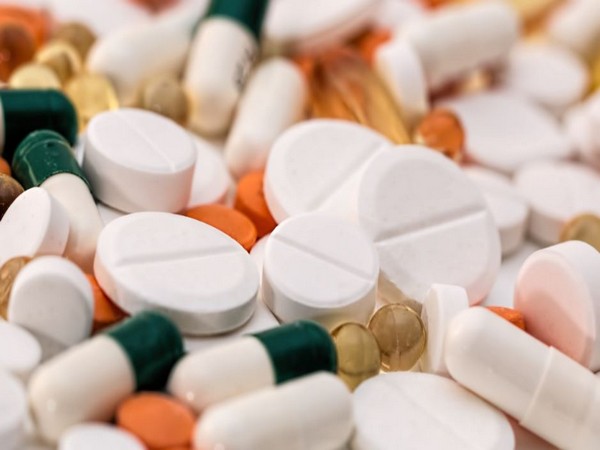
Representative Image

New Orleans [US], October 23 (ANI): A research of over 38,000 people found that commonly used cholesterol-lowering statins may decrease the risk of mortality and the severity of COVID-19 disease.
"While there is no 'magic bullet' to help patients who are very ill with COVID-19, statins decrease inflammation, which may help reduce the severity of the disease," said Ettore Crimi, M.D., MBA, lead author of the study and professor of anesthesiology and critical care medicine, University of Central Florida, Orlando. "Results of our study clearly showed regular statin use is associated with reduced risk of death and improved outcomes in hospitalized COVID-19 patients."
The retrospective study is one of the most extensive of regular statin use in patients with COVID-19. Researchers analyzed the electronic medical records of 38,875 patients hospitalized for COVID-19 at 185 hospitals in the United States between Jan. 1 and Sept. 30, 2020. Of those patients, 30% regularly used statins to treat high cholesterol. Statin users had a 37% lower risk of dying from COVID-19 than those who didn't use statins. In addition, regular statin users were significantly less likely to be discharged to hospice, be admitted to the intensive care unit (ICU) or develop blood clots. They also had shorter hospital stays and spent less time on a ventilator.
While COVID-19 itself causes inflammation, in some cases the immune system creates further inflammation by responding too aggressively to the infection. This extreme reaction causes much of the damage to the body, including difficulty breathing and damage to the lungs, kidneys, heart, brain and vascular system. The anti-inflammatory actions of statins "cool the process" so that the disease is not as severe, Dr. Crimi said.
One in four Americans over the age of 40 take statins to lower their cholesterol and reduce their risk of heart attack, stroke and other cardiovascular diseases, according to the American Heart Association, making them one of the most commonly prescribed drugs.
"This research illustrates the importance of evaluating medications that could be repurposed to help patients in ways other than their intended use," said Dr. Crimi. "Our results suggest statins could be an additional cost-effective solution against COVID-19 disease severity and should be studied further."
THE AMERICAN SOCIETY OF ANESTHESIOLOGISTS
Founded in 1905, the American Society of Anesthesiologists (ASA) is an educational, research and scientific society with more than 55,000 members organized to raise and maintain the standards of the medical practice of anesthesiology. ASA is committed to ensuring physician anesthesiologists evaluate and supervise the medical care of patients before, during and after surgery to provide the highest quality and safest care every patient deserves. (ANI)


Get the App

What to Read Next

Health

High-fat keto diet may boost exercise benefits

High-fat keto diet may boost exercise benefits

A new study suggests that eating more fat rather than less could help the body gain greater benefits from exercise when blood sugar levels are high, offering an unexpected perspective on how diet and physical activity work together to support metabolic health.

Read More
Health

Pre-workout supplements may cut sleep in half for young users

Pre-workout supplements may cut sleep in half for young users

A popular fitness trend among young people may be quietly undermining their sleep. A new study led by researchers at the University of Toronto has found that teenagers and young adults who use pre-workout supplements are significantly more likely to experience extremely short sleep durations.

Read More
Health

The more you fear aging, the faster your body may age

The more you fear aging, the faster your body may age

Worrying about getting older especially fearing future health problems may actually speed up aging at the cellular level, according to new research from NYU.

Read More
Health

Scientists discover reason high altitude protects against diabete

Scientists discover reason high altitude protects against diabete

Living at high altitude appears to protect against diabetes, and scientists have finally discovered the reason. When oxygen levels drop, red blood cells switch into a new metabolic mode and absorb large amounts of glucose from the blood.

Read More
Health

Scientists reveal how exercise protects brain from Alzheimer's

Scientists reveal how exercise protects brain from Alzheimer's

Exercise may sharpen the mind by repairing the brain's protective shield. Researchers found that physical activity prompts the liver to release an enzyme that removes a harmful protein, causing the blood-brain barrier to become leaky with age.

Read More
Health

Scientists find clue to human brain evolution in finger length

Scientists find clue to human brain evolution in finger length

Human evolution has long been tied to growing brain size, and new research suggests prenatal hormones may have played a surprising role. By studying the relative lengths of the index and ring fingers, a marker of prenatal exposure to oestrogen and testosterone, researchers found that higher prenatal oestrogen exposure was associated with larger head size in newborn boys.

Read More
Health

MRI scans show exercise can make the brain look younger

MRI scans show exercise can make the brain look younger

New research suggests that consistent aerobic exercise can help keep your brain biologically younger. Adults who exercised regularly for a year showed brains that appeared nearly a year younger than those who didn't change their habits.

Read More
Health

Scientists solve a major roadblock in cancer cell therapy: Study 

Scientists solve a major roadblock in cancer cell therapy: Study 

Researchers have found a reliable way to grow helper T cells from stem cells, solving a major challenge in immune-based cancer therapy. Helper T cells act as the immune system's coordinators, helping other immune cells fight longer and harder.

Read More
Health

Swedish study reveals when fitness and strength begin to fade

Swedish study reveals when fitness and strength begin to fade

A long-running Swedish study has followed adults for nearly five decades, uncovering when physical decline truly begins. Fitness and strength start slipping around age 35, then worsen gradually with age.

Read More
Health

Scientists find hidden synapse hotspots in the teen brain: Study

Scientists find hidden synapse hotspots in the teen brain: Study

The scientists have discovered that the adolescent brain does more than prune old connections. During the teen years, it actively builds dense new clusters of synapses in specific parts of neurons.

Read More


