

ADD ANI AS A TRUSTED SOURCE
googleads
Menu
Health

COVID-19 can have long-term impacts on the brain, shows study

New Orleans (Los Angeles) [United States], April 5 (ANI): Researchers have found that subjects infected with the SARS-CoV-2 virus displayed signs of severe brain inflammation and injury consistent with a reduction in blood or oxygen flow into the brain, neuron damage and small areas of bleeding.

ANI Apr 05, 2022 10:49 IST googleads

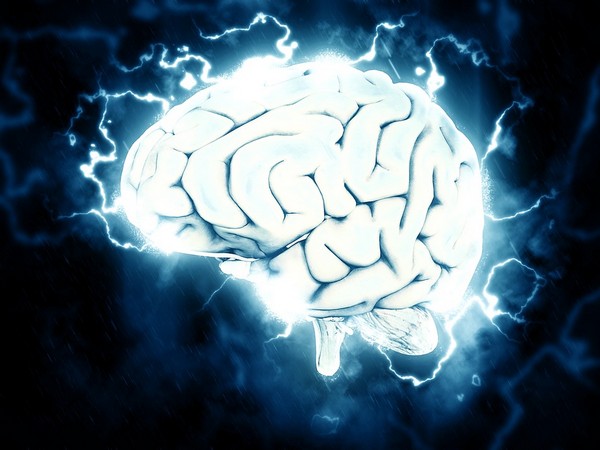
Representative image

New Orleans (Los Angeles) [United States], April 5 (ANI): Researchers have found that subjects infected with the SARS-CoV-2 virus displayed signs of severe brain inflammation and injury consistent with a reduction in blood or oxygen flow into the brain, neuron damage and small areas of bleeding.
Researchers at Tulane University have explained how COVID-19 affects the central nervous system of human beings. The findings are the first comprehensive assessment of neuropathology associated with SARS-CoV-2 infection in a nonhuman primate model.
The findings of the research were published in the journal, 'Nature Communications'.
Surprisingly, these findings were present in subjects that did not experience severe respiratory disease from the virus.
Tracy Fischer, PhD, lead investigator and associate professor of microbiology and immunology at the Tulane National Primate Research Center, has been studying brains for decades. Soon after the primate centre launched its COVID-19 pilot program in the spring of 2020, she began studying the brain tissue of several subjects that had been infected.
Fischer's initial findings have documented that the extent of damage seen in the brain due to SARS-CoV-2 infection was so striking that she spent the next year further refining the study controls to ensure that the results were clearly attributable to the infection.
"Because the subjects didn't experience significant respiratory symptoms, no one expected them to have the severity of disease that we found in the brain," Fischer said.
"But the findings were distinct and profound, and undeniably a result of the infection," he added.
The findings were also consistent with autopsy studies of people who have died of COVID-19, suggesting that nonhuman primates may serve as an appropriate model, or proxy, for how humans experience the disease.
Neurological complications are often among the first symptoms of SARS-CoV-2 infection and can be the most severe and persistent. They also affect people indiscriminately -- all ages, with and without comorbidities, and with varying degrees of disease severity.
Fischer hoped that this and future studies that investigate how SARS-CoV-2 affects the brain will contribute to the understanding and treatment of patients suffering from the neurological consequences of COVID-19 and long COVID. (ANI)


Get the App

What to Read Next

Health

The truth about ‘Eating for Two’ explained by doctors

The truth about ‘Eating for Two’ explained by doctors

Health experts warn that interpreting the advice literally can lead to excessive calorie intake, unhealthy weight gain and a higher risk of Gestational Diabetes Mellitus (GDM), a condition that affects blood sugar levels during pregnancy.

Read More
Health

High-fat keto diet may boost exercise benefits

High-fat keto diet may boost exercise benefits

A new study suggests that eating more fat rather than less could help the body gain greater benefits from exercise when blood sugar levels are high, offering an unexpected perspective on how diet and physical activity work together to support metabolic health.

Read More
Health

Pre-workout supplements may cut sleep in half for young users

Pre-workout supplements may cut sleep in half for young users

A popular fitness trend among young people may be quietly undermining their sleep. A new study led by researchers at the University of Toronto has found that teenagers and young adults who use pre-workout supplements are significantly more likely to experience extremely short sleep durations.

Read More
Health

The more you fear aging, the faster your body may age

The more you fear aging, the faster your body may age

Worrying about getting older especially fearing future health problems may actually speed up aging at the cellular level, according to new research from NYU.

Read More
Health

Scientists discover reason high altitude protects against diabete

Scientists discover reason high altitude protects against diabete

Living at high altitude appears to protect against diabetes, and scientists have finally discovered the reason. When oxygen levels drop, red blood cells switch into a new metabolic mode and absorb large amounts of glucose from the blood.

Read More
Home About Us Our Products Advertise Contact Us Terms & Condition Privacy Policy

Copyright © aninews.in | All Rights Reserved.


