Coronavirus can travel 27 feet, stay in air for hours, says MIT researcher
Washington DC [USA], April 2 (ANI): Staying six feet away from others may not work, an MIT researcher has warned - saying the coronavirus can rather travel 27 feet and can linger for hours.
ANI
Apr 02, 2020 13:30 IST

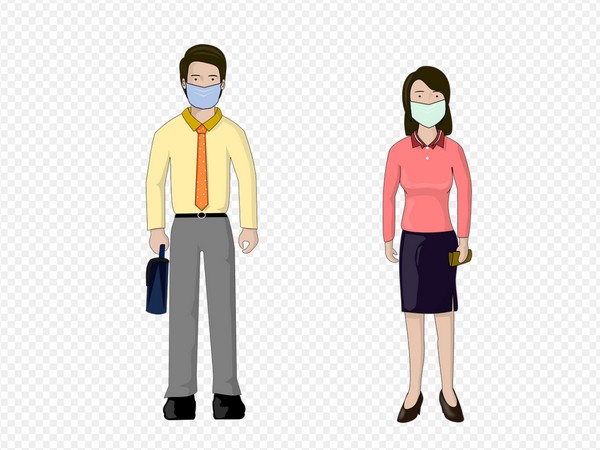
Washington DC [USA], April 2 (ANI): Staying six feet away from others may not work, an MIT researcher has warned - saying the coronavirus can rather travel 27 feet and can linger for hours.
The study was conducted by MIT associate professor Lydia Bourouiba, who has researched the dynamics of coughs and sneezes for years. It was published in the Journal of the American Medical Association.
Bourouiba warned that the current social-distancing guidelines to stay six feet from others are based on outdated models from the 1930s, reported the New York Post website.
The professor has said that the "pathogen-bearing droplets of all sizes can travel 23 to 27 feet."
In the newly published research, Bourouiba also warned that "droplets that settle along the trajectory can contaminate surfaces" -- and "residues or droplet nuclei" may "stay suspended in the air for hours."
According to the New York Post, she noted that a 2020 report from China showed that "virus particles could be found in the ventilation systems in hospital rooms of patients with COVID-19."
Bourouiba fears that the current guidelines of social-distancing are "overly simplified" and "may limit the effectiveness of the proposed interventions" against the deadly pandemic.
She also says that the health care workers face an "underappreciated potential exposure range" while treating the sick and dying.
"There's an urgency in revising the guidelines currently being given by the [World Health Organization] and the [Centers for Disease Control and Prevention] on the needs for protective equipment, particularly for the frontline health care workers," Bourouiba told USA Today.
The World Health Organization -- which suggests 3 feet is enough to remain safe -- told USA Today it "welcomed" studies.
"WHO carefully monitors emerging evidence about this critical topic and will update this scientific brief as more information becomes available," WHO said in a statement to the paper.
According to the World Health Organization, COVID-19 has affected over seven lakh people globally. (ANI)
Tags:
Get the App