

ADD ANI AS A TRUSTED SOURCE
googleads
ANI Logo
Menu
Health

Concealing information from brain imaging can be beaten with simple countermeasures: study

Washington DC [USA], May 5 (ANI): A study claims that there are people who are good in hiding information and can easily fool the brain imaging technique called fMRI. They can easily get away by using mental countermeasures which reduces the results of the test.

ANI May 05, 2019 16:23 IST googleads

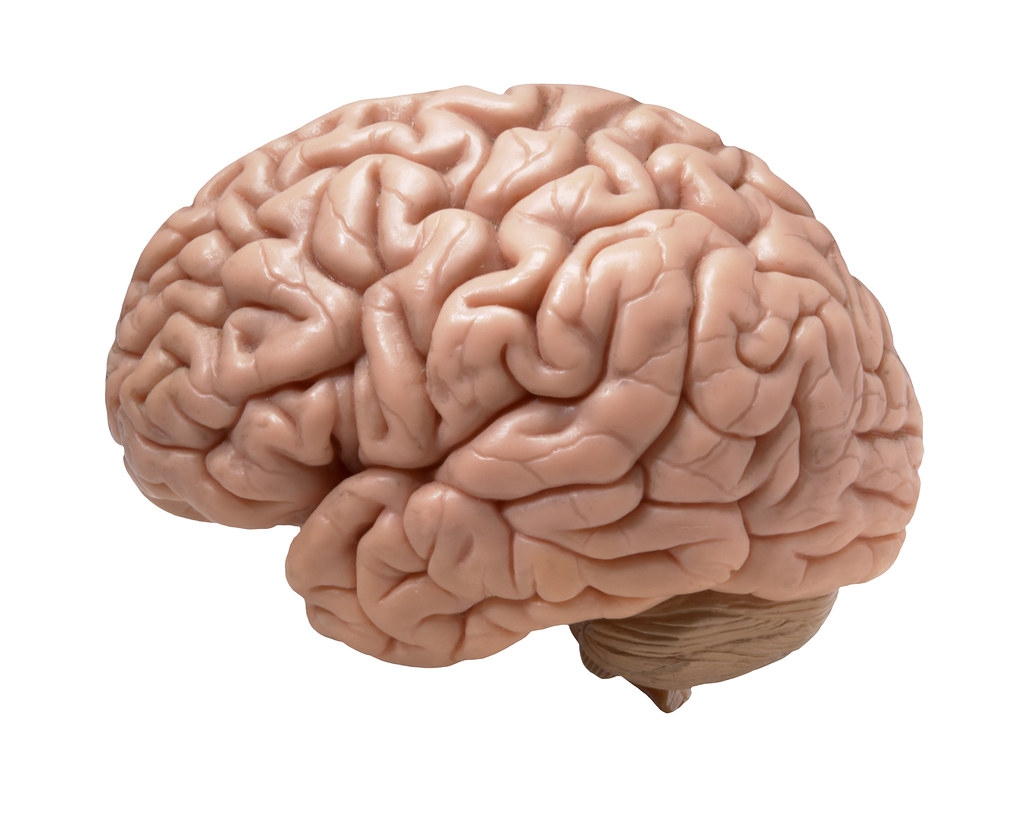
Representative image

Washington DC [USA], May 5 (ANI): A study claims that there are people who are good in hiding information and can easily fool the brain imaging technique called fMRI. They can easily get away by using mental countermeasures which reduces the results of the test.
The study was published in the journal, 'Human Brain Mapping'
The work was led by a group of researchers in Plymouth, in collaboration with the University of Padova, Italy.
This research is the first to explore the effects of mental countermeasures on brain activity in functional magnetic resonance imaging (fMRI) and it showed that when people used the countermeasures, the test proved to be 20 per cent less accurate.
How do concealed information tests work?
Concealed information tests work because a person who is hiding something will 'give away' what they are concealing when faced with it in a list. For example, if a thief has stolen a diamond ring, the ring will be more striking to the thief than similar control items such as necklaces and bracelets and the thief will show physiological signs like sweating, panicking that will reveal the guilt of the thief.
However, these tests are based on physiological signs and are easy to beat as perpetrators can artificially alter them when seeing a control item. To overcome this problem, researchers moved to methods that look directly at brain activation using fMRI.
An fMRI machine tracks blood flow to activated brain areas. The assumption in concealed information detection is that the brain will show signs of recognition when presented with the concealed items while exerting extra effort to conceal signs of such recognition, and so the brain regions that do more work will get more blood. Such regions light up in scans, and they are primarily involved in directing attention and in decision making.
What did the study show?
In the new study, participants were asked to conceal information about a 'secret' digit they saw inside an envelope.
Researchers taught 20 participants with two mental countermeasures. The first was to associate meaningful memories to the control items, making them more significant. The second was to focus on the superficial aspects of the item they were trying to conceal, rather than on the experience of familiarity it evokes, in order to make it less significant.
The results showed that these countermeasures lowered the accuracy of the test by about 20 per cent because it was more difficult for fMRI to find any differences in brain activity. Thus, participants were more likely to be able to hide their concealed information item when using mental countermeasures.
The research team concluded that in order to improve the robustness of the test, future work needed to identify a way of detecting mental countermeasures, and potentially look at conducting whole-brain analyses, rather than just examining regions of interest.
One of the lead authors said, "fMRI tests are not currently used by law enforcement in the same way as polygraph tests, but they have been considered for scientific and criminal use as a way of detecting when someone is concealing information. This study shows that the process can be manipulated if someone associates meaningful memories to the control items, or focuses on the aesthetics, rather than the memory, of the item they're trying to hide."
Adding, he went on to say, "None of our participants was seasoned liars or criminals, they were just everyday people, so before this test can even be considered for forensic use, there must be further studies carried out to help identify when someone is using mental countermeasures." (ANI)

Get the App

What to Read Next

Health

Brain scan reveals why Parkinson’s drugs don’t always work

Brain scan reveals why Parkinson’s drugs don’t always work

Simon Fraser University Researchers are using an advanced brain imaging method called MEG to understand why Parkinson's drug levodopa doesn't work equally well for everyone.

Read More
Health

Study finds how obesity linked to long Covid

Study finds how obesity linked to long Covid

People with excess weight are more likely to experience long-term neurological and mental health symptoms after Covid-19, including headache, vertigo, smell and taste disorders, sleep disturbance, and depression.

Read More
Health

Increasing contrasts in young people's mental wellbeing: Study

Increasing contrasts in young people's mental wellbeing: Study

More teenagers report good mental health, but those who are struggling rate their depressive symptoms much higher than prior cohorts did at the same age, according to a study from the University of Gothenburg.

Read More
Health

Experts call for urgent action on women-centric testing

Experts call for urgent action on women-centric testing

Renowned experts from diverse fields highlighted the urgent need for gender-sensitive healthcare policies and women-centric preventive diagnostics. The key issues they raised in women's health included cancer screening, mental well-being, and the role of integrated diagnostics in early disease detection.

Read More
Health

Study explains how antidepressants can protect against infections

Study explains how antidepressants can protect against infections

Antidepressants, such as Prozac, are routinely used to treat mental health issues, but recent research reveals they may also protect against major infections and life-threatening sepsis. Scientists at the Salk Institute have now discovered how medications regulate the immune system and protect against infectious disease, providing insights that could lead to a new generation of life-saving treatments and improve global readiness for future pandemics.

Read More
Health

Researchers find clues about dementia’s behavior changes

Researchers find clues about dementia’s behavior changes

When most people think of dementia, particularly Alzheimer's disease, they often think of memory loss first.

Read More
Health

Scientists aim to decode genetic roots of mental illness

Scientists aim to decode genetic roots of mental illness

To get to the bottom of this, the National Institute of Mental Health (NIMH) initiated a consortium called SSPsyGene (sspsygene.ucsc.edu) in 2023, uniting research teams from renowned US universities with the joint goal of characterising the genetic origins of NPD, focusing on 250 selected high-risk genes.

Read More
Health

Social media has impact on sleep patterns, finds study

Social media has impact on sleep patterns, finds study

Concerns regarding the influence of social media platforms on youth mental health led the US Surgeon General to suggest a warning label for them. The Surgeon General's Advisory on Social Media and Youth Mental Health highlighted potential links between social media use and poor sleep quality in youth. Given these issues, what particular measures should teenagers and parents take to enhance sleep?

Read More
Health

Children with type 1 diabetes more prone to mental health problem

Children with type 1 diabetes more prone to mental health problem

Children diagnosed with type 1 diabetes are at significantly higher risk of a number of mental health issues, including mood and anxiety disorders, a study from a team in the UK and the Czech Republic has found.

Read More
Health

Better sleep linked to lower levels of loneliness

Better sleep linked to lower levels of loneliness

A recent study discovered that greater sleep health was linked to lower levels of loneliness, with the association being stronger among younger persons.

Read More
Home About Us Our Products Advertise Contact Us Terms & Condition Privacy Policy

Copyright © aninews.in | All Rights Reserved.




