 हिंदी खबर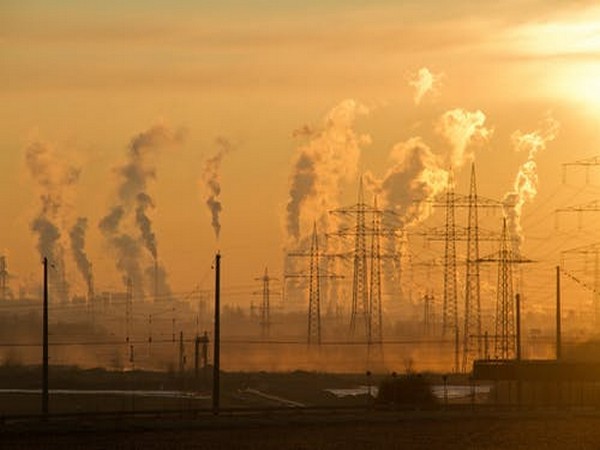

Barcelona [Spain], February 24 (ANI): ADHD is one of the most common neurodevelopment disorders occurring in children. According to a new study led by Barcelona Institute for Global Health (ISGlobal) researchers, children living in areas with higher air pollution and lower level of green space might have up to 62 per cent increased risk of developing ADHD.
The study was published in the journal 'Environment International'.
It found that children living in areas with a high level of air pollution due to PM 2.5 particles and very low levels of green space might have up to 62 per cent increased risk of developing ADHD. On the other hand, children living in greener and less polluted areas have a 50 per cent lower risk of developing the disorder.
The aim of this scientific work was to investigate the possible associations between exposure to greenness, air pollution and noise in early life with later incidence of ADHD, one of the most prevalent neurodevelopmental disorders, which affects up to approximately 5-10 per cent of children and adolescents. One of the goals of the study was to evaluate possible joints effects of these exposures in relation to ADHD.
The study used administrative data of births in Metro Vancouver from 2000 to 2001 and retrieved data on ADHD cases from hospital records, physician visits and prescriptions. The percentage of green space in the participants' neighbourhood was estimated with a novel and precise satellite metric, while the residential levels of two air pollutants-NO2 and PM 2.5--as well as noise levels were estimated using available exposure models. Finally, the possible associations between the three environmental exposures and ADHD were assessed using a statistical model that allowed determined the hazard ratios.
The researchers identified 1,217 cases of ADHD, equivalent to 4.2 per cent of the total study population. The green space analysis revealed that participants living in areas with a greater percentage of vegetation had a lower risk of ADHD. More specifically, the results show that a 12 per cent increase in vegetation percentage was associated with a 10 per cent reduction in the risk of ADHD.
Regarding air pollution, the opposite association was observed with PM 2.5; participants with higher exposure to fine articles had a higher risk of ADHD (every 2.1 ug increase in the levels of PM2.5 translated into an 11 per cent increase in the risk of ADHD).
No associations were found for the rest of the environmental exposures assessed: NO2 and noise.
The results were consistent with previous studies, which found associations between green space and air pollution, respectively, with ADHD. However, most of the research conducted until now focused on the evaluation of single exposures and rarely evaluated joint effects of multiple environmental exposures.
"We observed that children living in greener neighbourhoods with low air pollution had a substantially decreased risk of ADHD. This is an environmental inequality where, in turn, those children living in areas with higher pollution and less greenness face a disproportionally greater risk," explained lead author Matilda van den Bosch.
"These associations are particularly relevant because exposures take place in early life, a crucial period for brain development where children are especially vulnerable. Importantly, these exposures are modifiable, meaning that the findings should be taken into account for healthier urban planning," she added.
"Our findings also show that the associations between PM 2.5 and ADHD were attenuated by residential green space and vice versa as if the beneficial effects of vegetation and the harmful effects of PM 2.5 neutralized each other," said Weiran Yuchi, a researcher at the University of British Columbia (Canada) and first author of the study. (ANI)




