 हिंदी खबर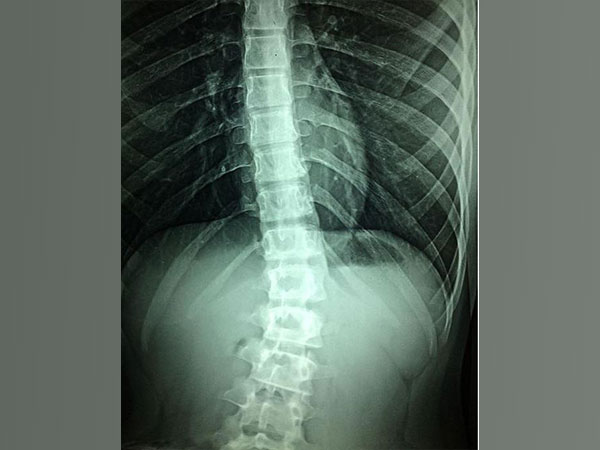

Washington [US], August 3 (ANI): According to a study, children and teenagers with scoliosis who undergo spinal fusion can still be given an acceptable amount of pain medication while using fewer opioids.
The findings of the Michigan Medicine study were published in the Journal of Pediatric Orthopaedics.
For the study, researchers enrolled 72 adolescent patients having spinal fusions at the University of Michigan Health and prescribed them 30 doses of oxycodone, as well as standard nonopioid medications, after the procedure. Forty-nine patients, along with their caregivers, received preoperative education on the risks of opioids and the importance of nonopioid pain management options, while the other 35 patients did not receive any preoperative education.
The study reveal that, despite being discharged with the same amount of opioid and nonopioid medications, 23% of patients in the group who did not receive preoperative education called for an opioid prescription refill compared to 6% of patients who had received preoperative education. When compared to a group of 77 adolescents who previously underwent spinal fusion where there were no standard discharge prescription guidelines, patients in the current study consumed less oxycodone and had fewer days of oxycodone use.
"Spinal fusion is arguably one of the most painful procedures we perform in pediatric orthopaedics, but our findings show we can provide excellent pain control by employing multimodal pain management techniques and preoperative education," said G. Ying Li, M.D., senior author of the study and orthopaedic surgeon at U-M Health C.S. Mott Children's Hospital.
The previous group of patients consumed a mean of 29 doses of oxycodone when receiving a larger prescription quantity. Based on this data, patients in the current study were prescribed 30 doses of oxycodone, yet they only consumed 16 doses while reporting very low pain scores.
"Our results show that when we prescribe patients less narcotics, they will take fewer narcotics, so prescription quantity is incredibly important after a procedure like this," Li said. "We want to avoid situations where someone is overprescribed opioids and takes too many or leftover opioids are diverted to others. In the current state of the opioid crisis, preoperative education and use of a multimodal approach to managing pain is key to reducing harm and preventing substance use disorders and overdose." (ANI)


