Children of mothers depressed during pregnancy are at higher risk of depression, suggests study
London [UK], September 25 (ANI): Children born to mothers who are depressed during and after pregnancy are more likely to develop depressive symptoms themselves by the age of 24, according to new research led by the University of Bristol.
ANI
Sep 25, 2021 22:18 IST

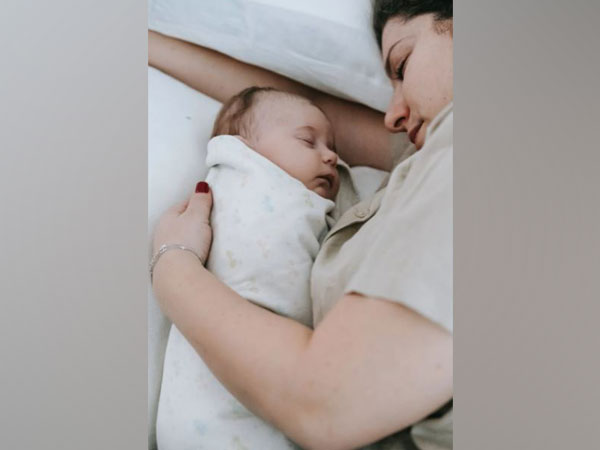
London [UK], September 25 (ANI): Children born to mothers who are depressed during and after pregnancy are more likely to develop depressive symptoms themselves by the age of 24, according to new research led by the University of Bristol.
The findings of the study were published in the journal 'BJPsych Open'.
By the age of 24, young people born to mothers with antenatal and postnatal depression, had depression scores that were almost three points higher than offspring of mothers with no depression.
The study also considered the impact of the father's depression, although the sample was very small.
The study looked at survey information for 5,029 individuals during a 14-year period from the ages of 10 to 24 to examine how risks of depression occur across childhood and adolescence.
Researchers also found that offspring of mothers with a history of postnatal depression had an increase in depressive symptoms over time, while those with mothers with a history of antenatal depression had higher overall levels of depression throughout.
This suggests the importance of antenatal and postnatal depression support and interventions.
Thanks to data from the world-renowned health study Children of the 90s (also known as the Avon Longitudinal Study of Parents and Children) researchers could explore the patterns of offspring depressive symptoms based on the various timings of maternal depression to see if there were any characteristics or differences in when and for what duration the offspring of depressed mothers were depressed themselves.
Dr Rebecca Pearson, senior author and senior lecturer in psychiatric epidemiology at the University of Bristol / Professor of Psychology at Manchester Metropolitan University, said, "By tracking trajectories of repeated measures of mood in offspring of depressed mothers, from childhood through to adulthood, we were able to provide further insight into how the well-known intergenerational risk of depressed mood presents over time."
Dr Priya Rajyaguru, the first author explained, "This study shows that the children of parents with both antenatal and postnatal depression are at greatest risk of depression themselves, and this risk appears to persist throughout adolescence into early adulthood."
"We also found some differences according to the timing of maternal depression in particular," Dr Rajyaguru added.
The data was collected from a cohort that is predominately white and middle class.
Further work is needed to look at more populations and contexts such as parenting styles, peer relations and other factors across different cultures.
The research was supported by expertise from Manchester Metropolitan University.
Dr Joanne Black, Chair of the Faculty of Perinatal Psychiatry at the Royal College of Psychiatrists, said, "This research looks at the impact of depression in both mothers and fathers on their children's risk of depression."
"It shows that the timing of depression in parents (during pregnancy, after childbirth or both) and if the mother, father or both were affected are all important risk factors for the child's future mental health," Dr Black continued.
Dr Black explained, "The good news is that we have effective evidence-based treatments and the earlier we can provide these, the better. That's why mental health screening for all mothers is vital and will continue to be a priority as we emerge from the pandemic."
"The study also raises important questions about the visibility of paternal mental health, although the sample of fathers was small. As their mental health is not routinely screened but still affects the child's future mental health, we need more research to understand what better support for fathers might look like," Dr Black concluded. (ANI)
Get the App