

ADD ANI AS A TRUSTED SOURCE
googleads
ANI Logo
Menu
Health

Cannabis use disorder linked to increased complications after spinal surgery: Study

Washington [US], April 3 (ANI): For patients undergoing spinal surgery, the diagnosis of cannabis use disorder is associated with higher complication rates, including substantially increased risks of stroke and respiratory complications, suggested a new study.

ANI Apr 03, 2021 13:18 IST googleads

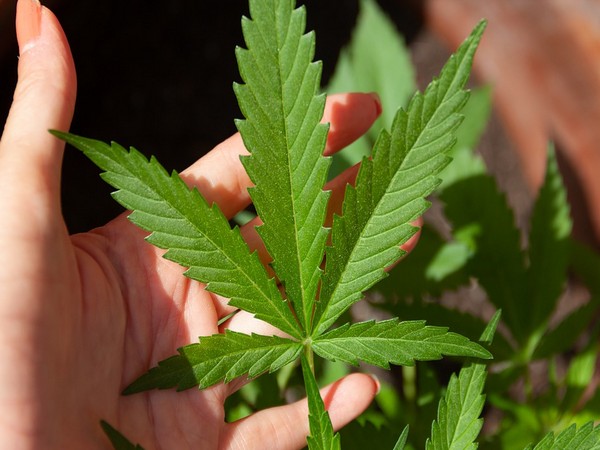
Representative image

Washington [US], April 3 (ANI): For patients undergoing spinal surgery, the diagnosis of cannabis use disorder is associated with higher complication rates, including substantially increased risks of stroke and respiratory complications, suggested a new study.
The findings of the study were published in Spine. The journal is published in the Lippincott portfolio by Wolters Kluwer.
"Chronic cannabis use among patients undergoing spine surgery is associated with higher rates of inpatient neurovascular, thromboembolic, and pulmonary complications, and less favorable overall discharge disposition," according to the new research by Ankit Indravadan Mehta, MD, FAANS and colleagues of the University of Illinois at Chicago.
Mehta added, "The treatment of these patients is also associated with increased length of stay and cost of hospitalization."
Using a national hospital database (Nationwide Inpatient Sample), the researchers identified nearly 433,000 patients who underwent common elective spinal surgery procedures between 2012 and 2015. About 2,400 patients had a diagnosis of cannabis use disorder, defined as continued use of cannabis despite significant distress or impairment.
On initial analysis, there were some important differences between patients with and without cannabis use disorder. Patients diagnosed with problematic cannabis use were younger, more likely to be male, and had lower rates of accompanying medical disorders (comorbidity). They were also much more likely to use tobacco: about 71 versus 31 per cent.
Using a technique called propensity score matching, Dr. Mehta and colleagues created matched groups of 2,184 chronic cannabis users versus non-users with similar characteristics and comorbidities. A wide range of complications and other hospital outcomes of spinal surgery were compared between groups.
Patients with cannabis use disorder were at increased risk for several types of complications after spinal surgery. The cannabis users were about twice as likely to develop respiratory and blood clot-related (thromboembolism) complications. They also had nearly a threefold increase in the risk of stroke and other neurologic complications. Risk of bloodstream infection (septicemia or sepsis) was increased by 50 per cent.
There were also more myocardial infarctions (heart attacks) among patients with cannabis use disorder. However, on further analysis, this was related to their much higher rate of tobacco use.
Patients with cannabis use disorder also spent nearly two more days in the hospital (about seven versus five days) and had hospital costs nearly USD 15,000 higher. They were also more likely to be discharged to a nursing or rehabilitation facility and less likely to receive home health care.
The results are of special concern as cannabis use becomes increasingly legalised and accepted in the United States. Estimates suggest that more than 15 per cent of Americans use cannabis. Rates of cannabis use and cannabis use disorder have "increased drastically" in recent years, according to the authors.
The findings have important implications for anesthesia and surgical management in patients with cannabis use disorder, Dr. Mehta and colleagues believe. For example, such patients may need higher doses of opioid medications to achieve adequate pain management after spinal surgery.
That may lead to slower recovery, requiring longer hospital stays and more intensive rehabilitation that cannot be done at home. The researchers also note previous studies outlining the mechanisms by which cannabis use may lead to increased risk of respiratory, thromboembolic, and neurologic complications.
"This study reveals multiple aspects of perioperative care that are extremely complex and difficult in patients with cannabis use disorder," Dr Mehta and coauthors wrote.
They added, "Their high-risk cardiorespiratory profiles combined with specialized anesthetic considerations [before, during, and after surgery] necessitate very unique perioperative management. We hope this research will lead to future prospective trials for specific interventions that could improve outcomes in this specific population." (ANI)


Get the App

What to Read Next

Health

High-fat keto diet may boost exercise benefits

High-fat keto diet may boost exercise benefits

A new study suggests that eating more fat rather than less could help the body gain greater benefits from exercise when blood sugar levels are high, offering an unexpected perspective on how diet and physical activity work together to support metabolic health.

Read More
Health

Pre-workout supplements may cut sleep in half for young users

Pre-workout supplements may cut sleep in half for young users

A popular fitness trend among young people may be quietly undermining their sleep. A new study led by researchers at the University of Toronto has found that teenagers and young adults who use pre-workout supplements are significantly more likely to experience extremely short sleep durations.

Read More
Health

The more you fear aging, the faster your body may age

The more you fear aging, the faster your body may age

Worrying about getting older especially fearing future health problems may actually speed up aging at the cellular level, according to new research from NYU.

Read More
Health

Scientists discover reason high altitude protects against diabete

Scientists discover reason high altitude protects against diabete

Living at high altitude appears to protect against diabetes, and scientists have finally discovered the reason. When oxygen levels drop, red blood cells switch into a new metabolic mode and absorb large amounts of glucose from the blood.

Read More
Health

Scientists reveal how exercise protects brain from Alzheimer's

Scientists reveal how exercise protects brain from Alzheimer's

Exercise may sharpen the mind by repairing the brain's protective shield. Researchers found that physical activity prompts the liver to release an enzyme that removes a harmful protein, causing the blood-brain barrier to become leaky with age.

Read More
Health

Scientists find clue to human brain evolution in finger length

Scientists find clue to human brain evolution in finger length

Human evolution has long been tied to growing brain size, and new research suggests prenatal hormones may have played a surprising role. By studying the relative lengths of the index and ring fingers, a marker of prenatal exposure to oestrogen and testosterone, researchers found that higher prenatal oestrogen exposure was associated with larger head size in newborn boys.

Read More
Health

MRI scans show exercise can make the brain look younger

MRI scans show exercise can make the brain look younger

New research suggests that consistent aerobic exercise can help keep your brain biologically younger. Adults who exercised regularly for a year showed brains that appeared nearly a year younger than those who didn't change their habits.

Read More
Health

Scientists solve a major roadblock in cancer cell therapy: Study 

Scientists solve a major roadblock in cancer cell therapy: Study 

Researchers have found a reliable way to grow helper T cells from stem cells, solving a major challenge in immune-based cancer therapy. Helper T cells act as the immune system's coordinators, helping other immune cells fight longer and harder.

Read More
Health

Swedish study reveals when fitness and strength begin to fade

Swedish study reveals when fitness and strength begin to fade

A long-running Swedish study has followed adults for nearly five decades, uncovering when physical decline truly begins. Fitness and strength start slipping around age 35, then worsen gradually with age.

Read More
Health

Scientists find hidden synapse hotspots in the teen brain: Study

Scientists find hidden synapse hotspots in the teen brain: Study

The scientists have discovered that the adolescent brain does more than prune old connections. During the teen years, it actively builds dense new clusters of synapses in specific parts of neurons.

Read More
Home About Us Our Products Advertise Contact Us Terms & Condition Privacy Policy

Copyright © aninews.in | All Rights Reserved.


