

ADD ANI AS A TRUSTED SOURCE
googleads
ANI Logo
Menu
Health

BP control less likely among those treated in low-income areas

Washington D.C. [USA], Aug 01 (ANI): People enrolled in a large clinical hypertension management trial were half as likely to control their blood pressure if they received care at clinics and primary care practices in low-income areas, suggests a study.

ANI Aug 01, 2019 00:40 IST googleads

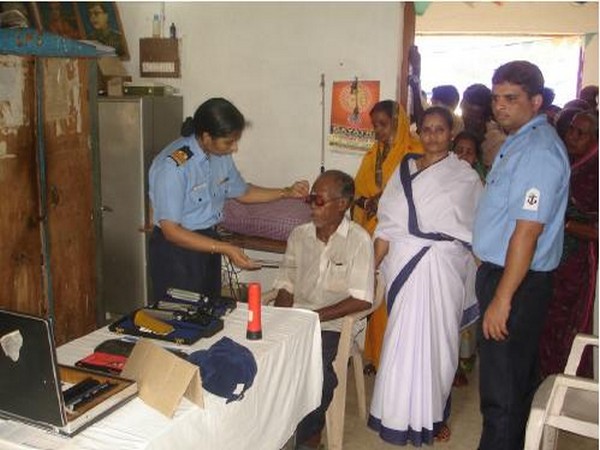
Representative Image

Washington D.C. [USA], Aug 01 (ANI): People enrolled in a large clinical hypertension management trial were half as likely to control their blood pressure if they received care at clinics and primary care practices in low-income areas, suggests a study.
The study was published in 'JAHA: Journal of the American Heart Association.'
Participants in a low-income area had a 25 per cent higher chance of dying from any cause and a 25 per cent higher likelihood of hospitalisation and death related to heart failure over the course of the study period, than those receiving care in higher-income areas.
In addition, participants at low-income sites also had an 86 per cent higher likelihood of developing end-stage kidney disease and were 30 per cent less likely to receive a procedure performed to open the blood vessels to the heart for patients experiencing chest pain or heart attack.
The findings are based on data obtained from the Antihypertensive and Lipid-Lowering Treatment to Prevent Heart Attack Trial (ALLHAT) which compared the effectiveness of three blood pressure lowering drugs. The study used 140/90 mm Hg as the threshold for high blood pressure, while the American Heart Association recognizes high blood pressure as 130/80 mm Hg.
Researchers know that living in low-income areas is associated with higher rates of high blood pressure, heart failure and stroke. The new study explored whether cardiovascular outcomes vary by socioeconomic factors in a randomised clinical trial in which participants are treated equally.
"While medications are the mainstay of hypertension control, there are other factors that we need to pay attention to that are impacting blood pressure control, and the ultimate outcomes we care about - heart disease, stroke, hospitalisation and longevity," said Erica Spatz, study's senior author.
Participants in the low-income areas were more likely to be female, black, Hispanic, have fewer years of education. Participants in low-income areas also surprisingly had fewer cardiovascular risk factors such as history of heart attack or stroke, Type 2 diabetes and cigarette smoking.
Also, participants in the low-income areas visited their doctors less compared to higher-income areas, potentially due to transportation access, social support and health behaviours which may have indirectly impacted some outcomes.
The findings suggest that clinical trial design should consider the socioeconomic context of the treatment site and participants' neighbourhoods. (ANI)

Get the App

What to Read Next

Health

The truth about ‘Eating for Two’ explained by doctors

The truth about ‘Eating for Two’ explained by doctors

Health experts warn that interpreting the advice literally can lead to excessive calorie intake, unhealthy weight gain and a higher risk of Gestational Diabetes Mellitus (GDM), a condition that affects blood sugar levels during pregnancy.

Read More
Health

High-fat keto diet may boost exercise benefits

High-fat keto diet may boost exercise benefits

A new study suggests that eating more fat rather than less could help the body gain greater benefits from exercise when blood sugar levels are high, offering an unexpected perspective on how diet and physical activity work together to support metabolic health.

Read More
Health

Scientists discover reason high altitude protects against diabete

Scientists discover reason high altitude protects against diabete

Living at high altitude appears to protect against diabetes, and scientists have finally discovered the reason. When oxygen levels drop, red blood cells switch into a new metabolic mode and absorb large amounts of glucose from the blood.

Read More
Health

Scientists reveal how exercise protects brain from Alzheimer's

Scientists reveal how exercise protects brain from Alzheimer's

Exercise may sharpen the mind by repairing the brain's protective shield. Researchers found that physical activity prompts the liver to release an enzyme that removes a harmful protein, causing the blood-brain barrier to become leaky with age.

Read More
Health

Hidden blood molecules show surprising anti-ageing power: Study

Hidden blood molecules show surprising anti-ageing power: Study

Scientists have discovered new anti-ageing compounds produced by a little-studied blood bacterium, opening up promising avenues for future skin-rejuvenation therapies.

Read More
Health

Hypertension affects brain much earlier than expected: Study

Hypertension affects brain much earlier than expected: Study

Hypertension may impair the brain far earlier than previously understood -- even before a measurable rise in blood pressure occurs -- according to a new preclinical study from Weill Cornell Medicine. The changes help explain why hypertension is a major risk factor for developing cognitive disorders, such as vascular cognitive impairment and Alzheimer's disease.

Read More
Health

This high-sugar fruit may actually lower diabetes risk: Study

This high-sugar fruit may actually lower diabetes risk: Study

A George Mason University study found that daily mango eaters showed better blood sugar control and less body fat than those eating a lower-sugar snack.

Read More
Health

New tech tracks blood sodium without needle: Study

New tech tracks blood sodium without needle: Study

Scientists have pioneered a new way to monitor sodium levels in the blood, without drawing a single drop.

Read More
Health

Researchers creates new robotic “skin”

Researchers creates new robotic “skin”

Researchers have created a revolutionary robotic skin that brings machines closer to human-like touch.

Read More
Health

New way of measuring blood pressure could be a lifeline

New way of measuring blood pressure could be a lifeline

A new method for enhancing the accuracy of interpreting blood pressure measurements taken at the ankle may be critical for patients who are unable to have their arm blood pressure monitored.

Read More
Home About Us Our Products Advertise Contact Us Terms & Condition Privacy Policy

Copyright © aninews.in | All Rights Reserved.


