Blood transfusion during liver cancer surgery associated with increased risk of cancer recurrence
Washington DC [USA], Jun 3 (ANI): In a study, researchers have claimed that receiving blood transfusion during liver cancer surgery (hepatocellular carcinoma) increases the risk of cancer recurrence and dying prematurely.
ANI
Jun 03, 2019 11:04 IST

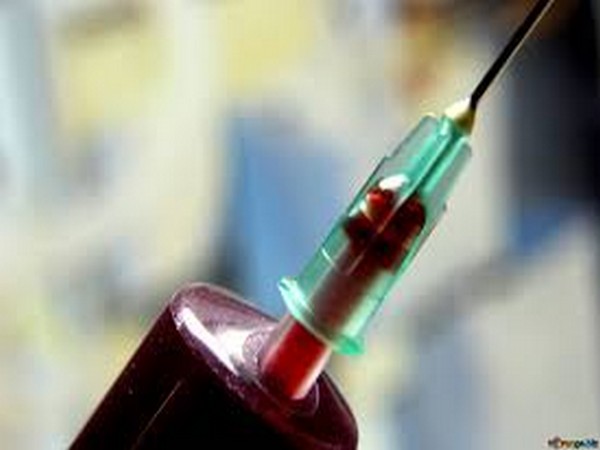
Washington DC [USA], Jun 3 (ANI): In a study, researchers have claimed that receiving blood transfusion during liver cancer surgery (hepatocellular carcinoma) increases the risk of cancer recurrence and dying prematurely.
The risk was markedly increased even when only a small amount of blood was transfused, researchers said.
The study is being presented at the 'European Society of Anaesthesiology' in Vienna, Austria (1-3 June).
Findings showed that transfusion of one to four units of blood increased the risk of cancer recurrence by 23 per cent and death by 55 per cent compared to matched controls.
"Our findings from a large cohort highlighted a significant association between red blood cell transfusions and the risk of cancer recurrence as well as a dose-response relationship between the number of transfusions and death after curative surgery for liver cancer," said Dr Ying-Hsuan Tai from Taipei Medical University Shuang Ho Hospital in Taiwan who led the research.
"The reason why blood transfusions substantially worsen cancer prognosis remains unclear, but it is likely to be related to the suppressive effects on the immune system," Dr Tai added.
Hepatocellular carcinoma (HCC) is the fifth most common form of cancer worldwide and the third most common cause of cancer-related deaths. It occurs frequently in people with cirrhosis (scarring of the liver) due to previous damage from hepatitis B or C virus, or long-term alcohol abuse. Surgery to remove cancer and a margin of healthy tissue that surrounds it (resection) is a curative treatment for people with early-stage liver cancers who have a normal liver function.
In this study, Tai and colleagues investigated the effect of perioperative blood transfusion on cancer prognosis following HCC resection in 1,469 patients without lymph node involvement or metastasis undergoing surgery between 2005 and 2016.
Researchers assessed postoperative disease-free survival and overall survival up to September 2018. Using statistical modelling (a technique called the inverse probability of treatment weighting) they were able to match patients who had equivalent age and health conditions when comparing their outcomes.
Almost one in three patients (30 per cent; 447 patients) received one to four units of allogeneic (from another individual) blood during or within seven days of surgery, while more than one in 10 (12 per cent; 179 patients) were given more than four units.
During a median 45 month follow-up, analyses showed that cancer was 23 per cent more likely to recur in patients who received a transfusion (1-4 units) compared to those not given a transfusion.
While those who received more than four units faced an 18 per cent greater risk of recurrence compared with those who received none.
Compared to those not given a transfusion, patients given 1-4 units of blood were 55 per cent more likely to die from any cause, while those receiving four or more units had almost double the risk of death. (ANI)
Get the App