
Aspirin use reduces risk of death in hospitalised COVID-19 patients
Washington [US], November 2 (ANI): Hospitalised COVID-19 patients who were taking a daily low-dose aspirin to protect against cardiovascular disease had a significantly lower risk of complications and death compared to those who were not taking aspirin, according to a new study led by researchers at the University of Maryland School of Medicine (UMSOM).
ANI
Nov 02, 2020 14:24 IST

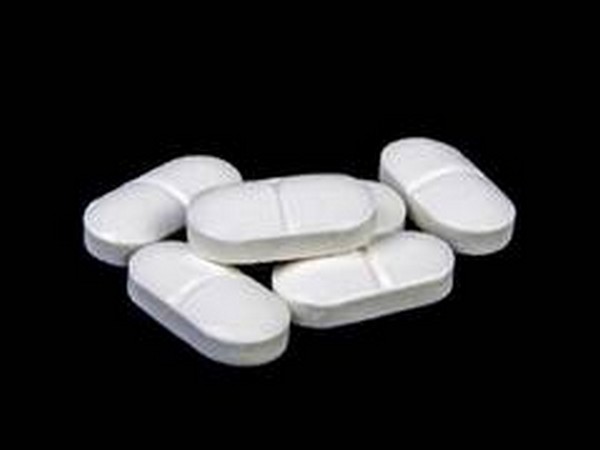
Washington [US], November 2 (ANI): Hospitalised COVID-19 patients who were taking a daily low-dose aspirin to protect against cardiovascular disease had a significantly lower risk of complications and death compared to those who were not taking aspirin, according to a new study led by researchers at the University of Maryland School of Medicine (UMSOM).
Aspirin takers were less likely to be placed in the intensive care unit (ICU) or hooked up to a mechanical ventilator, and they were more likely to survive the infection compared to hospitalised patients who were not taking aspirin.
The study, published in the journal Anesthesia and Analgesia, provides "cautious optimism," the researchers say, for an inexpensive, accessible medication with a well-known safety profile that could help prevent severe complications.
"This is a critical finding that needs to be confirmed through a randomized clinical trial. If our finding is confirmed, it would make aspirin the first widely available, over-the-counter medication to reduce mortality in COVID-19 patients," said study leader Jonathan Chow, MD, Assistant Professor of Anesthesiology at UMSOM.
To conduct the study, Dr Chow and his colleagues culled through the medical records of 412 COVID-19 patients, age of 55 on average, who were hospitalized over the past few months due to complications of their infection.
They were treated at the University of Maryland Medical Center in Baltimore and three other hospitals along the East Coast. About a quarter of the patients were taking a daily low-dose aspirin (usually 81 milligrams) before they were admitted or right after admission to manage their cardiovascular disease.
The researchers found aspirin use was associated with a 44 per cent reduction in the risk of being put on a mechanical ventilator, a 43 per cent decrease in the risk of ICU admission, and -- most importantly -- a 47 per cent decrease in the risk of dying in the hospital compared to those who were not taking aspirin. The patients in the aspirin group did not experience a significant increase in adverse events such as major bleeding while hospitalised.
The researchers controlled for several factors that may have played a role in a patient's prognosis including age, gender, body mass index, race, hypertension, and diabetes. They also accounted for heart disease, kidney disease, liver disease, and the use of beta blockers to control blood pressure.
COVID-19 infections increase the risk of dangerous blood clots that can form in the heart, lungs, blood vessels, and other organs. Complications from blood clots can, in rare cases, cause heart attacks, strokes, and multiple organ failure as well as death.
Doctors often recommend daily low-dose aspirin for patients who have previously had a heart attack or stroke caused by a blood clot to prevent future blood clots. Daily use, however, can increase the risk of major bleeding or peptic ulcer disease.
"We believe that the blood thinning effects of aspirin provides benefits for COVID-19 patients by preventing microclot formation," said study co-author Michael A. Mazzeffi, MD, Associate Professor of Anesthesiology at UMSOM.
"Patients diagnosed with COVID-19 may want to consider taking a daily aspirin as long as they check with their doctor first," added Mazzeffi.
Those at increased bleeding risk due to chronic kidney disease, for example, or because they regularly use certain medications, like steroids or blood thinners, may not be able to safely take aspirin, he added.
Researchers from Wake Forest School of Medicine, George Washington University School of Medicine, Northeast Georgia Health System, and Walter Reed National Military Medical Center also participated in this study.
"This study adds to the tremendous work our researchers are doing in the School of Medicine to help find new treatments against COVID-19 and save patients' lives," said E. Albert Reece, MD, PhD, MBA, Executive Vice President for Medical Affairs, UM Baltimore, and the John Z. and Akiko K. Bowers Distinguished Professor and Dean, University of Maryland School of Medicine.
"While confirmatory studies are needed to prove that aspirin use leads to better outcomes in COVID-19, the evidence thus far suggests that patients may want to discuss with their doctor whether it is safe for them to take aspirin to manage potentially prevent serious complications," added Reece. (ANI)
Get the App


