ADD ANI AS A TRUSTED SOURCE
googleads
ANI Logo
Menu
Health

Antibiotics may increase risk of colon cancer: Study

Washington D.C. [USA], Aug 22 (ANI): Popping even a single course of antibiotics might boost, though slightly, the risk of developing colon cancer a new study suggests.

ANI Aug 22, 2019 19:54 IST googleads

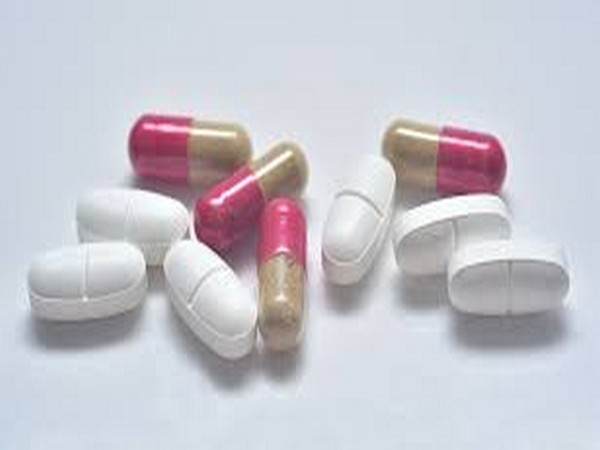
Representative Image

Washington D.C. [USA], Aug 22 (ANI): Popping even a single course of antibiotics might increase, though slightly, the risk of developing colon cancer a new study suggests.
The study published in the journal 'Gut' highlighted the need for judicious use of this broad category of drugs, which are frequently improperly or overprescribed.
"The primary message of this study is the importance of antibiotic stewardship: not treating common viral infections with antibiotics, using them for the shortest time period possible, and using targeted antibiotics rather than broad-spectrum ones," said study leader Cynthia L. Sears, Bloomberg Kimmel Professor of Cancer Immunotherapy at the Johns Hopkins Kimmel Cancer Center.
"This research adds to our understanding that these drugs can have significant off-target effects, including the induction of chronic illnesses," added Sears.
Sears and Jiajia Zhang, a researcher from the same institute, along with their colleagues mined data from the Clinical Practice Research Datalink (CPRD), that holds information on more than 11 million patients in the United Kingdom.
Focusing on a 23-year period from January 1, 1989, to December 31, 2012, the researchers found 28,890 cases of colorectal cancer. They matched each of these patient records with up to five healthy "controls" who never developed this disease, but who had similar characteristics, including age, gender, and where their general practitioner practiced, for a total of 137,077 "control" cases for comparison.
They then used the medical records to identify and evaluate each case history for colorectal cancer risk factors, such as a history of obesity, smoking, alcohol use, and diabetes, as well as antibiotic use.
The researchers found that those who developed colon cancer were slightly more likely to have been exposed to antibiotics (71.3 per cent compared to 69.1 per cent). Those with rectal cancers did not show that association and had about the same antibiotic exposure compared to healthy subjects.
Further investigation showed that antibiotic exposure was only associated with increased risk of approximately 15 per cent for cancer in the proximal colon (the first and middle parts of the colon) but not the distal colon (last part of the colon), and this risk happened particularly after exposure to classes of antibiotics that kill anaerobic bacteria, such as those in the penicillin family.
Among the compelling findings, the researchers said, was the rapid onset of increased colon cancer risk, beginning with only 15-30 days of total antibiotic exposure (approximately 8 per cent increased risk with 15-30 days of total antibiotic exposure and approximately 15 per cent increased risk with 30 or more days of total antibiotic exposure).
However, the association was reversed for rectal cancer: the more total antibiotic exposure, specifically total exposures of 60 days or more, the less likely they were to have cancer in this location. Cancers that developed in the colon were linked with antibiotic exposure at least 10 years earlier. There was no increased risk with exposures less than 10 years prior. (ANI)

Get the App

What to Read Next

Health

Scientists find clue to human brain evolution in finger length

Scientists find clue to human brain evolution in finger length

Human evolution has long been tied to growing brain size, and new research suggests prenatal hormones may have played a surprising role. By studying the relative lengths of the index and ring fingers, a marker of prenatal exposure to oestrogen and testosterone, researchers found that higher prenatal oestrogen exposure was associated with larger head size in newborn boys.

Read More
Health

Scientists solve a major roadblock in cancer cell therapy: Study 

Scientists solve a major roadblock in cancer cell therapy: Study 

Researchers have found a reliable way to grow helper T cells from stem cells, solving a major challenge in immune-based cancer therapy. Helper T cells act as the immune system's coordinators, helping other immune cells fight longer and harder.

Read More
Health

Injection turns sleeping tumour immune cells into cancer fighters

Injection turns sleeping tumour immune cells into cancer fighters

The Korea Advanced Institute of Science and Technology (KAIST) researchers have developed a way to reprogram immune cells already inside tumours into cancer-killing machines.

Read More
Health

High-fat diets give liver cancer a dangerous head start: Study

High-fat diets give liver cancer a dangerous head start: Study

A high-fat diet does more than overload the liver with fat. New research from MIT shows that prolonged exposure to fatty foods can push liver cells into a survival mode that quietly raises the risk of cancer.

Read More
Health

Researchers have decoded rare cancer fighting plant compound

Researchers have decoded rare cancer fighting plant compound

UBC Okanagan researchers have uncovered how plants create mitraphylline, a rare natural compound linked to anti-cancer effects.

Read More
Health

Air pollution may reduce health benefits of exercise: Study

Air pollution may reduce health benefits of exercise: Study

A new study led by researchers at University College London (UCL) shows that chronic exposure to toxic air can significantly diminish the health benefits of regular physical activity.

Read More
Health

This body trait helps keep your brain young: Study

This body trait helps keep your brain young: Study

Scientists discovered that more muscle and less hidden abdominal fat are linked to a younger biological brain age.

Read More
Health

Boosting this protein helps brain protect itself from Alzheimer’s

Boosting this protein helps brain protect itself from Alzheimer’s

Researchers discovered that raising the protein Sox9 can help the brain's astrocytes clear out toxic plaque buildup linked to Alzheimer's.

Read More
Health

Blocking a single protein forces cancer cells to self-destruct

Blocking a single protein forces cancer cells to self-destruct

Researchers uncovered a powerful weakness in lung cancer by shutting down a protein that helps tumours survive stress.

Read More
Health

New genetic tool and chromosome changes linked to pregnancy loss

New genetic tool and chromosome changes linked to pregnancy loss

Pregnancy loss affects up to 25 per cent of all pregnancies, with most miscarriages occurring in the first trimester and roughly half caused by genetic or chromosomal abnormalities. But when pregnancy loss occurs three or more times, identifying the underlying cause becomes significantly more challenging, and often remains unknown.

Read More
Home About Us Our Products Advertise Contact Us Terms & Condition Privacy Policy

Copyright © aninews.in | All Rights Reserved.