

ADD ANI AS A TRUSTED SOURCE
googleads
Menu
Health

AI-based blood tests to predict neurodegenerative disease progression

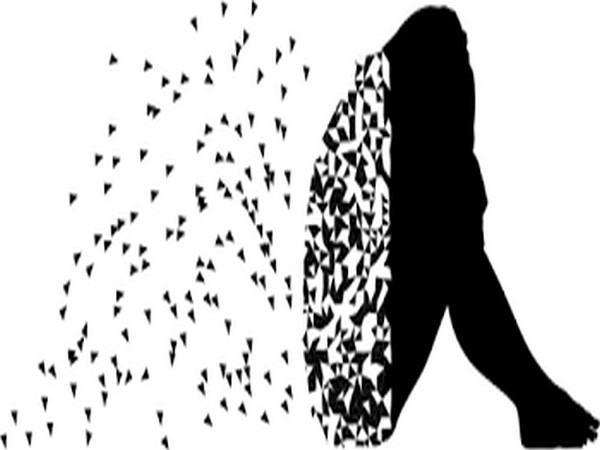
Montreal (Quebec) [Canada], Jan 28 (ANI): A recent study has shown the effectiveness of Artificial Intelligence (AI) algorithms in predicting the progression of neurodegenerative diseases in people.

ANI Jan 28, 2020 22:28 IST googleads

The algorithm was able to detect how these patients' genes expressed themselves in unique ways over the decades.

Montreal (Quebec) [Canada], Jan 28 (ANI): A recent study has shown the effectiveness of Artificial Intelligence (AI) algorithms in predicting the progression of neurodegenerative diseases in people.
This amalgamation of computer science and medicine could potentially assist doctors to adopt more appropriate strategies to treat the ones who are affected by such health conditions.
In the study published in the journal Brain, scientists at the Montreal Neurological Institute and Hospital of McGill University and the Ludmer Centre for Neuroinformatics and Mental Health used an AI algorithm to analyze the blood and post-mortem brain samples of 1969 patients with Alzheimer's and Huntington's disease.
The algorithm was able to detect how these patients' genes expressed themselves in unique ways over the decades. This offers the first long-term view of molecular changes underlying neurodegeneration, an important accomplishment because neurodegenerative diseases develop over the years.
Previous studies on neurodegeneration often used static or 'snapshot' data, and are therefore limited in how much they can reveal about the typically slow progression of the disease.
This study aimed to uncover the chronological information contained in large-scale data by covering decades of disease progression, revealing how changes in gene expression over that time are related to changes in the patient's condition.
Furthermore, the blood test detected 85 to 90 per cent of the top predictive molecular pathways that the test of post-mortem brain data did, showing a striking similarity between molecular alterations in both the brain and peripheral body.
"This test could one day be used by doctors to evaluate patients and prescribe therapies tailored to their needs," says Yasser Iturria-Medina, the study's first author.
"It could also be used in clinical trials to categorize patients and better determine how experimental drugs impact their predicted disease progression."
Iturria-Medina says his next steps will be testing these models in other diseases such as neurodegenerative disease and amyotrophic lateral sclerosis. (ANI)

Get the App

What to Read Next

Health

Scientists reveal how exercise protects brain from Alzheimer's

Scientists reveal how exercise protects brain from Alzheimer's

Exercise may sharpen the mind by repairing the brain's protective shield. Researchers found that physical activity prompts the liver to release an enzyme that removes a harmful protein, causing the blood-brain barrier to become leaky with age.

Read More
Health

Scientists find clue to human brain evolution in finger length

Scientists find clue to human brain evolution in finger length

Human evolution has long been tied to growing brain size, and new research suggests prenatal hormones may have played a surprising role. By studying the relative lengths of the index and ring fingers, a marker of prenatal exposure to oestrogen and testosterone, researchers found that higher prenatal oestrogen exposure was associated with larger head size in newborn boys.

Read More
Health

MRI scans show exercise can make the brain look younger

MRI scans show exercise can make the brain look younger

New research suggests that consistent aerobic exercise can help keep your brain biologically younger. Adults who exercised regularly for a year showed brains that appeared nearly a year younger than those who didn't change their habits.

Read More
Health

Scientists find hidden synapse hotspots in the teen brain: Study

Scientists find hidden synapse hotspots in the teen brain: Study

The scientists have discovered that the adolescent brain does more than prune old connections. During the teen years, it actively builds dense new clusters of synapses in specific parts of neurons.

Read More
Health

Memory loss can suddenly speed up with age: Study

Memory loss can suddenly speed up with age: Study

A massive international brain study has revealed that memory decline with age isn't driven by a single brain region or gene, but by widespread structural changes across the brain that build up over time.

Read More
Home About Us Our Products Advertise Contact Us Terms & Condition Privacy Policy

Copyright © aninews.in | All Rights Reserved.




