 हिंदी खबर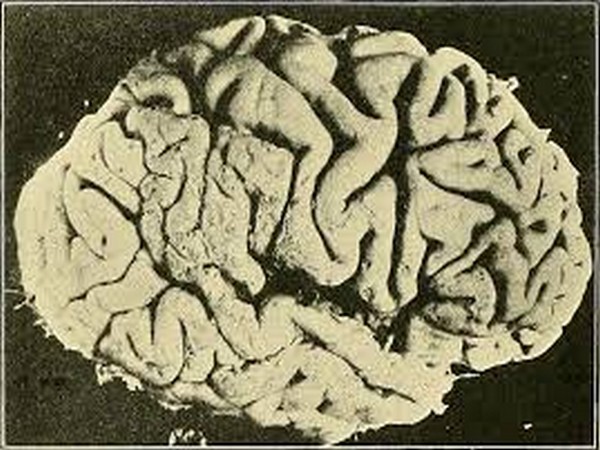

Washington D.C. [USA], Mar 31 (ANI): Patients with aggressive brain tumour have reacted well to a new combination therapy during a clinical trial.
The findings of the trial, published in Journal of Clinical Cancer Research, are an important step forward for this area of research, for which there are a very poor prognosis and no recognised standard of care treatment.
The trial used a treatment combination of ADI-PEG20, pemetrexed and cisplatin, which showed encouraging efficacy in patients with recurrent high-grade gliomas (HGGs), a disease for which little progress has been made over the last few decades.
In the trial, led by Professor Peter Szloserek, ten patients with heavily pre-treated, recurrent HGG were treated with ADI-PEG20 in combination with standard chemotherapies pemetrexed and cisplatin.
This clinical work built upon pre-clinical studies performed at the Queen Mary's Barts Cancer Institute and Imperial College London which identified that ADI-PEG20 can enhance the effects of other standard chemotherapies such as pemetrexed and cisplatin.
Normal cells are able to generate their own supply of the essential amino acid arginine, which is required for a variety of cellular processes. However, this capability is lost in many tumour types due to the down-regulation of the ASS1 enzyme required for arginine production.
Consequently, tumour cells rely on the arginine supply in the bloodstream, a vulnerability that can be exploited therapeutically. ADI-PEG20 works by depleting arginine in the blood, thus 'starving' tumours of this essential amino acid.
Combining the concept of arginine deprivation with pemetrexed and cisplatin has proven efficacious in other cancer types, including treatment-resistant ASS1-deficient mesothelioma or non-small cell lung cancer.
"This trial represents an important first step in developing a biomarker-led approach to treating recurrent high-grade gliomas,” said Dr Peter Hall, first author of the study.
As the treatment was shown to be well tolerated in patients, the results of this trial pave the way for a phase II trial to include a larger patient cohort to further assess efficacy, which is currently being developed. (ANI)
Aggressive brain tumour are reacting well to this new combination therapy
ANI | Updated: Mar 31, 2019 14:14 IST


