 हिंदी खबर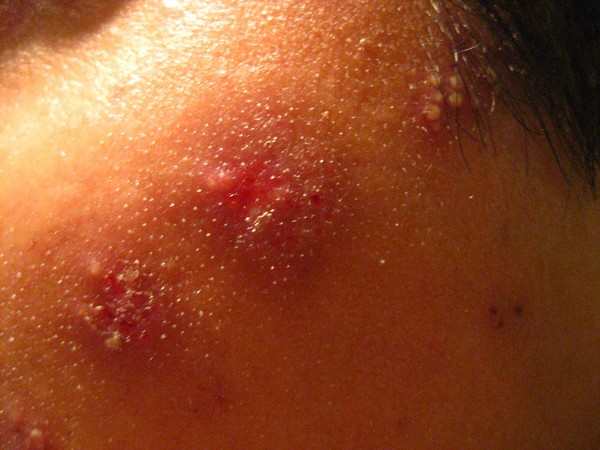

Washington D.C. [USA], Jan 23 (ANI): Adults who have had been exposed to herpes zoster virus in their childhood are less likely to get shingles in their adulthood, even if they are around kids who got chickenpox, proves a study.
The study published in The BMJ on Wednesday described that re-exposure to the same virus lessens the chances of getting a disease from same virus for the next 20 years but cannot be firmly said that the risk of getting shingles completely comes down to zero.
The team of researchers called for a review of the United Kingdom's childhood varicella vaccination policy, which assumes complete immunity for between 2 and 20 years.
Primary infection with the varicella-zoster virus causes chickenpox, typically in children. After this initial infection, the virus remains in the body as a dormant infection, and reactivation, often decades later, causes shingles.
The theory that re-exposure to the varicella-zoster virus in adulthood boosts immunity to shingles (known as "exogenous boosting") has gained widespread support. As such, the UK and many other countries don't offer routine childhood varicella vaccination as this would remove the circulating viruses in the community.
But more recent data suggest that boosting may not be long-lasting.
So a team of UK researchers set out to estimate the risk of herpes zoster after exposure to a household member with varicella.
Their findings are based on UK general practice and hospital records for 9,604 adults (18 years and over; 69% women) diagnosed with herpes zoster between 1997 and 2018 who lived with a child (18 or under) with varicella during an average 15-year observation period.
The average age at zoster diagnosis was 41 years and at first, known exposure to varicella was 38 years.
After adjusting for age, calendar time, and season, strong evidence suggested that in the two years after household exposure to a child with varicella, adults were 33% less likely to develop zoster compared with baseline (unexposed) time.
In the 10 to 20 years after exposure, this protective effect waned slightly but adults were still 27% less likely to develop zoster compared with baseline time. A stronger boosting effect was seen among men than among women after exposure to varicella.
This is an observational study where the researchers point out that varicella may be under-recorded as it does not always require a visit to the doctor. Nevertheless, they used a large, nationally representative sample and were able to adjust for potentially influential factors.
"These findings cannot be used to justify for or against specific vaccination schedules," write the authors, concluding, "They do, however, suggest that previous mathematical models, estimating the effect of exogenous boosting in childhood varicella vaccination policy in the UK, that assume complete immunity for between two and 20 years may need revisiting." (ANI)
Adults re-exposed to chickenpox are less likely to get shingles
ANI | Updated: Jan 23, 2020 11:02 IST


