Administering antibiotics to children younger than 2 years can lead to childhood health issues
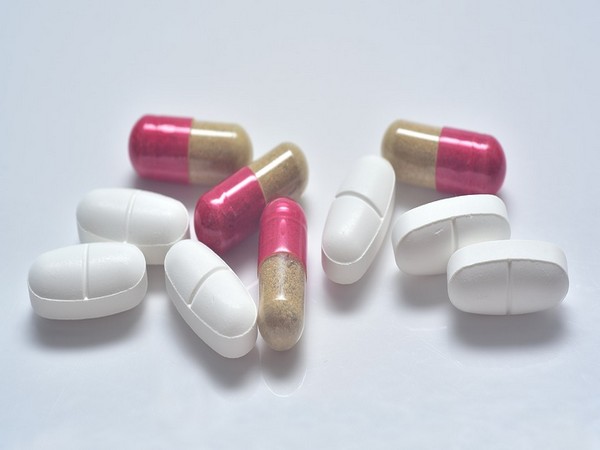
Washington [US], November 21 (ANI): Antibiotics administered to children younger than two are associated with several ongoing illnesses or conditions, ranging from allergies to obesity, researchers from Mayo Clinic have found in a retrospective study.
ANI
Nov 21, 2020 12:37 IST

Washington [US], November 21 (ANI): Antibiotics administered to children younger than two are associated with several ongoing illnesses or conditions, ranging from allergies to obesity, researchers from Mayo Clinic have found in a retrospective study.
The findings appear in Mayo Clinic Proceedings.
Using health record data from the Rochester Epidemiology Project, population-based research collaboration in Minnesota and Wisconsin, researchers analyzed data from over 14,500 children.
About 70 per cent of the children had received at least one treatment with antibiotics for illness before age 2. Children receiving multiple antibiotic treatments were more likely to have multiple illnesses or conditions later in childhood. Types and frequency of illness varied depending on age, type of medication, dose, and a number of doses. There also were some differences between boys and girls.
Conditions associated with early use of antibiotics included asthma, allergic rhinitis, weight issues and obesity, food allergies, attention deficit hyperactivity disorder, celiac disease, and atopic dermatitis.
The authors speculate that even though antibiotics may only transiently affect the microbiome, the collection of microbes in the body, this may have long-term health consequences.
"We want to emphasize that this study shows association? not causation? of these conditions," said Nathan LeBrasseur, PhD, a researcher at Mayo Clinic's Robert and Arlene Kogod Center on Aging and the study's senior author.
"These findings offer the opportunity to target future research to determine more reliable and safer approaches to timing, dosing and types of antibiotics for children in this age group," added LeBrasseur.
While recent data show an increase in some of the childhood conditions involved in the study, experts are not sure why. Other than the issue of multidrug resistance, antibiotics have been presumed safe by most paediatricians.
Researchers also say the ultimate goal is to provide practical guidelines for physicians on the safest way to use antibiotics early in life. (ANI)
Tags:
Get the App