Rupee level not a threshold, exchange rate a shock absorber: CEA Nageswaran
In an exclusive conversation with ANI, Nageswaran said that currency depreciation should be understood in the broader context of external shocks, global uncertainty, and shifting capital flows rather than as a sign of domestic economic weakness. According to him, when the economy faces disruptions such as energy price spikes, supply chain shocks or geopolitical tensions, the exchange rate is often the first variable to adjust.
ANI
Jun 14, 2026 17:24 IST

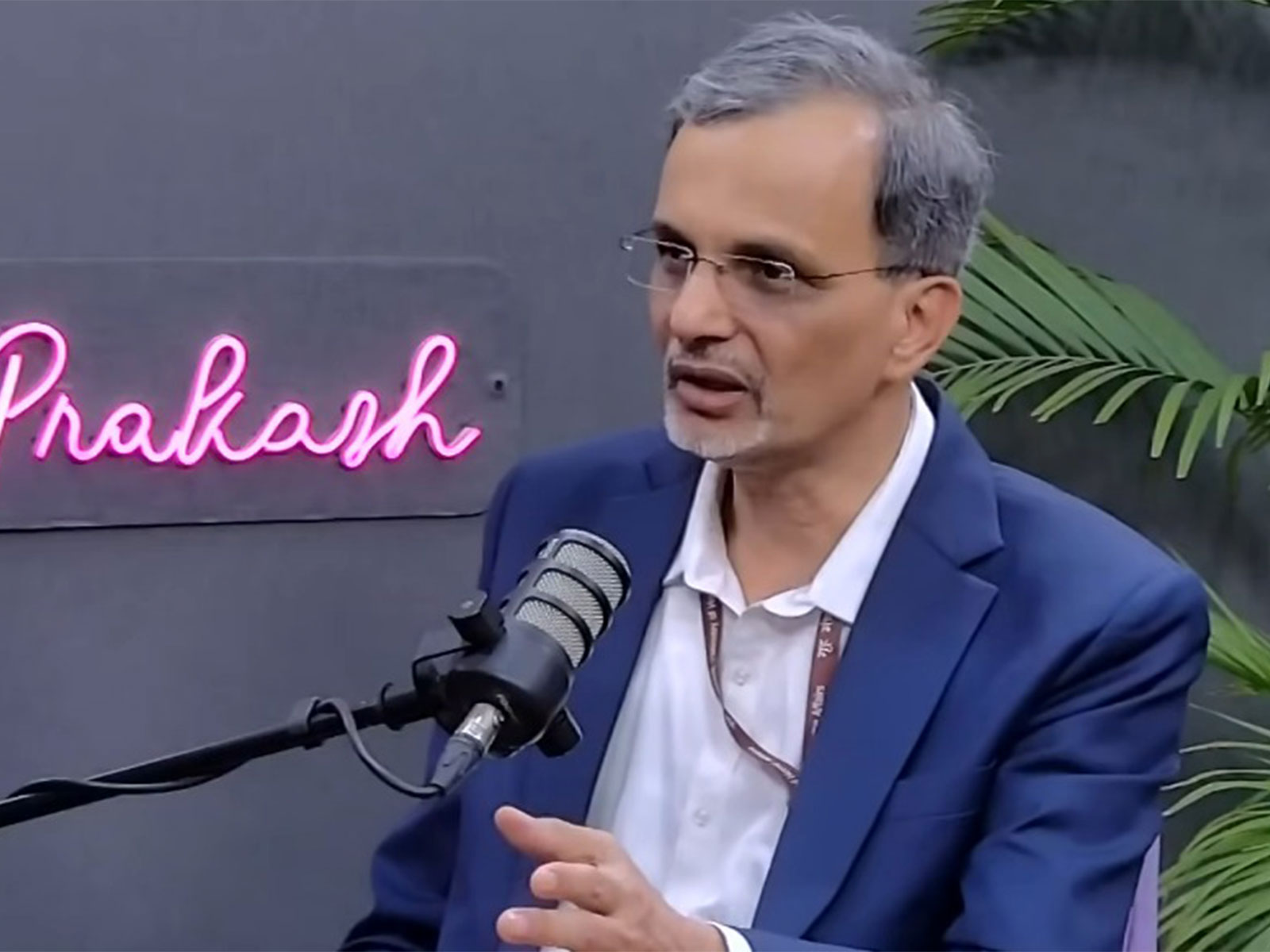
New Delhi [India], June 14 (ANI): The Indian rupee's movement is a natural part of macroeconomic adjustment and should not be viewed through the lens of fixed psychological thresholds such as the 100-per-dollar mark, Chief Economic Adviser V Anantha Nageswaran said, stressing that the exchange rate functions as a "shock absorber" in a volatile global environment.
In an exclusive conversation with ANI, Nageswaran said that currency depreciation should be understood in the broader context of external shocks, global uncertainty, and shifting capital flows rather than as a sign of domestic economic weakness. According to him, when the economy faces disruptions such as energy price spikes, supply chain shocks or geopolitical tensions, the exchange rate is often the first variable to adjust.
"The exchange rate is a natural shock absorber," he noted, adding that attempting to rigidly defend a particular level could be counterproductive for the wider economy. He explained that in periods of global stress, policymakers face a trade-off: either tighten monetary conditions to defend the currency or allow the exchange rate to adjust while protecting domestic growth and inflation dynamics.
Addressing concerns around the rupee potentially crossing the 100-per-dollar mark, the CEA said such levels should not be treated as a "Lakshman Rekha." Instead, what matters is whether currency movements begin to trigger loss of confidence, such as excessive hedging, reduced capital inflows, or delayed export realisations. Until such behavioural shifts emerge, he indicated, the economy remains within manageable bounds.
Nageswaran further said that the rupee's depreciation must also be viewed alongside India's import structure. While a weaker currency can increase the cost of essential imports like crude oil, it can also improve competitiveness and discourage non-essential imports, thereby supporting domestic production and exports.
He added that India's policy framework is focused on creating buffers through measures such as strengthening foreign exchange reserves and managing the current account deficit, rather than resisting every short-term movement in the currency.
Further, he noted that exchange rate flexibility is an integral part of macroeconomic stability in an interconnected global economy. "It is not about a particular number," the CEA suggested, underscoring that the rupee's movement reflects broader global forces rather than isolated domestic vulnerabilities. (ANI)
Get the App