ADD ANI AS A TRUSTED SOURCE
googleads
Menu
Business

Proactive measures by government helped tackle Hormuz disruptions efficiently: Expert

During the high-stakes geopolitical conflict involving the Strait of Hormuz, global experts anticipated that India's energy sector would face severe shortages. Given that the nation relies on imports for a staggering 85 percent of its crude oil and 60 percent of its LPG requirements, the risk of a complete system collapse was widely predicted. However, unlike several other nations that were forced to implement emergency measures like odd-even schemes or work-from-home mandates, Indian citizens experienced absolutely no disruptions.

ANI Jul 02, 2026 00:20 IST googleads

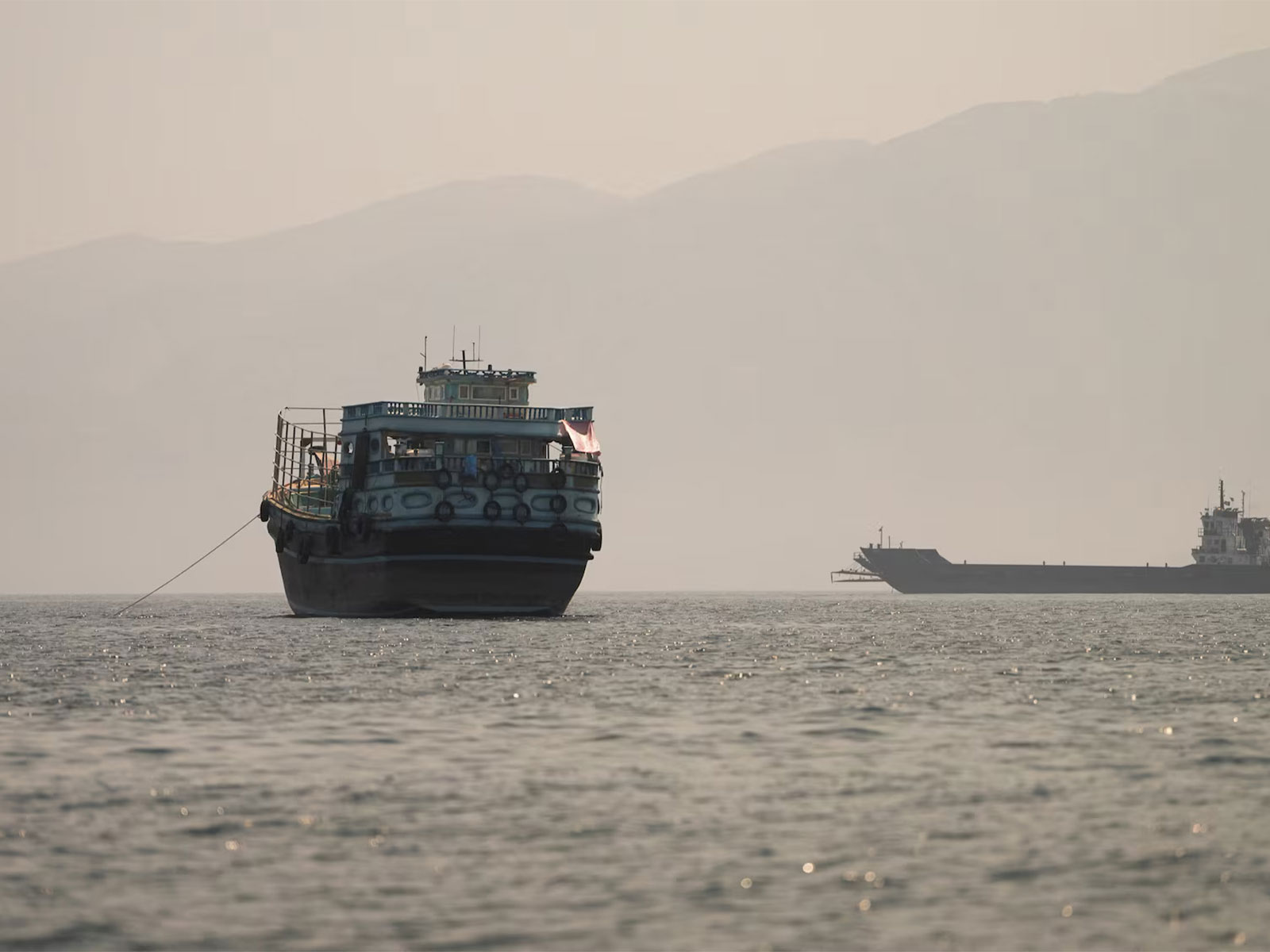
Representational Image (Photo/Reuters)

New Delhi [India], July 2 (ANI): India successfully negotiated energy disruptions caused by the West Asia conflict due to proactive measures taken by the government and the planning done over the years to build resilience, former BPCL Director (Marketing) Sukhmal Jain has said.
"There were widespread apprehensions of a severe crisis. However, for the past few years, proactive measures have been continuously taken by the oil companies, the Ministry of Petroleum, and the government. Because of this solid groundwork, we were mentally prepared to a large extent when the crisis hit," he told ANI.
"We decided to tackle this on two fronts: managing the supply side and simultaneously controlling the demand side," Jain added
On the supply front, the government coordinated extensively across multiple departments. "Whether it was the Ministry of External Affairs, the Shipping Ministry, or identifying other countries where we could source products, every possible avenue was explored and utilised," he said.
"We even explored float vessels carrying products mid-sea to secure immediate supplies," he added.
Jain said that to ensure seamless execution, the administration maintained strict vigilance over logistics.
"The coordination between the central government's various arms and state governments was crucial in executing this machinery without friction," Jain emphasized," he noted.
He said the government managed the energy disruption crisis by putting minimal burden on the common man. The conflict between Iran and Israel-US, which began on February 28, has caused global energy disruptions. (ANI)

Get the App

What to Read Next

Business

Semicon Day 1: Rs 1 lakh crore investment commitments, 16 MoUs

Semicon Day 1: Rs 1 lakh crore investment commitments, 16 MoUs

The first day of SEMICON India 2026 saw the government lay out a wider roadmap for the next phase of India's semiconductor programme, with around Rs 1 lakh crore in investment commitments, plans to create close to one lakh jobs and a series of agreements spanning chip manufacturing, materials, packaging, design and talent development.

Read More
Business

India semiconductor push entering commercial production phase,

India semiconductor push entering commercial production phase,

India’s semiconductor push is beginning to move into a commercial production phase, with companies expanding local manufacturing, bringing products to market and building domestic supplier networks, according to industry executives at SEMICON India 2026.

Read More
Business

Tata Trusts asks Tata Sons to explore options other than listing

Tata Trusts asks Tata Sons to explore options other than listing

Tata Trusts on Thursday asked Tata Sons to explore all available options other than listing, reiterating their opposition to the public listing of the holding company and stressing the need to preserve the structure of the Tata Group.

Read More
Business

“These MoUs mean a lot to us”: Tata Electronics laud global pacts

“These MoUs mean a lot to us”: Tata Electronics laud global pacts

Tata Electronics CEO and MD Randhir Thakur stated that the recent Memorandums of Understandings (MoU) represent mutual operational commitments rather than immediate financial returns, serving as an anchor for the company’s manufacturing network.

Read More
Business

Oil India targets 4 million metric tonnes of crude oil production

Oil India targets 4 million metric tonnes of crude oil production

State-owned Oil India Limited (OIL) is targeting crude oil production of around 4 million metric tonnes this year, with production currently running at about 86,000 barrels per day, Chairman and Managing Director Ranjit Rath said on Thursday.

Read More
Home About Us Our Products Advertise Contact Us Terms & Condition Privacy Policy

Copyright © aninews.in | All Rights Reserved.