Parliament passes IBC Amendment bill to cut delays, improve transparency, boost recovery ecosystem
Sitharaman said these amendments reflect the government's commitment to making the insolvency framework faster, more transparent, and globally aligned, while ensuring that genuine businesses are revived and errant promoters are held accountable.
ANI
Apr 01, 2026 19:45 IST

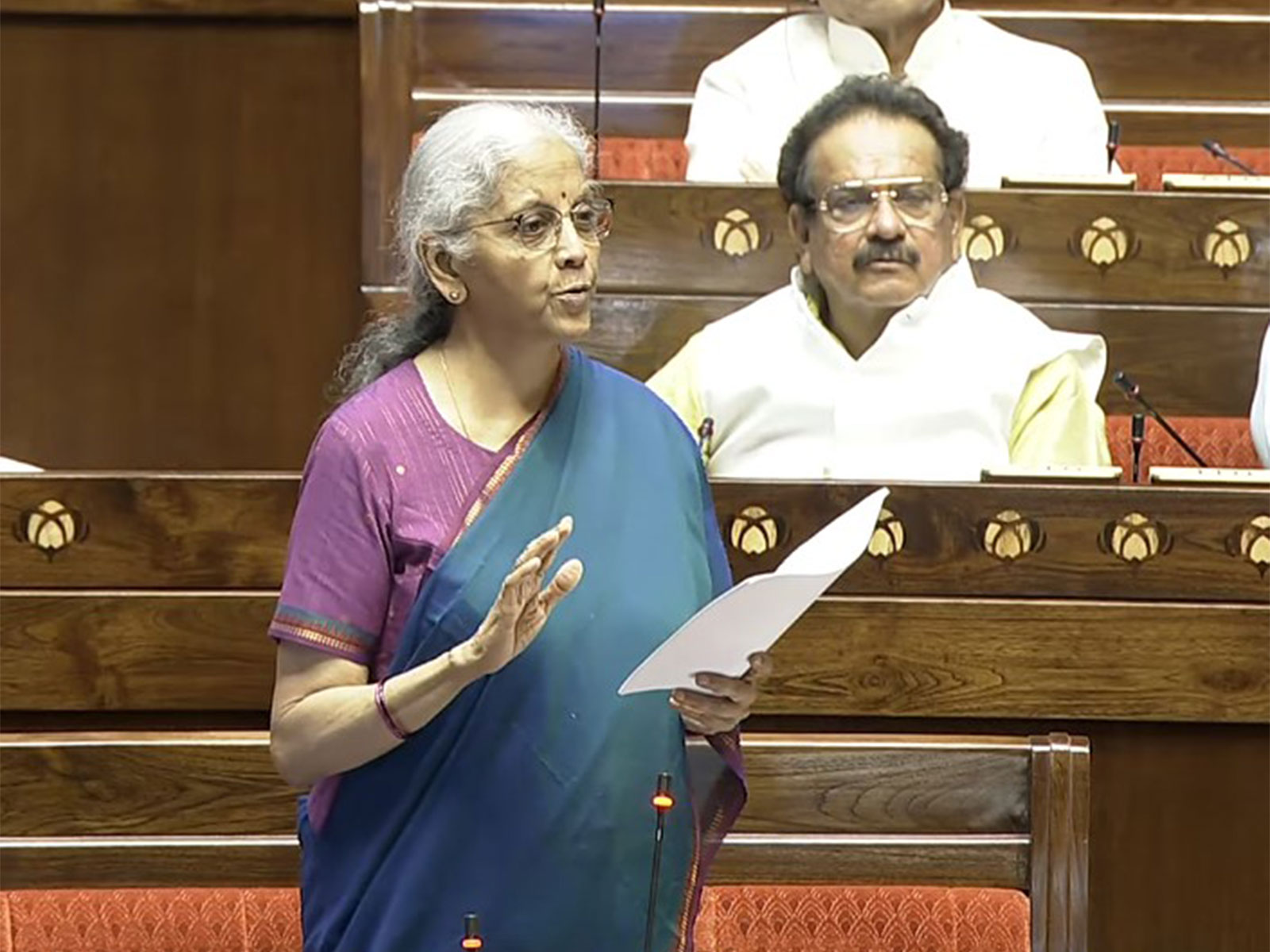
New Delhi [India], April 1 (ANI): Parliament on Wednesday passed key amendments to the Insolvency and Bankruptcy Code (IBC), with Finance Minister Nirmala Sitharaman stating that the changes aim to address delays, improve recovery outcomes and strengthen investor confidence in India's insolvency framework.
The Rajya Sabha passed the Insolvency and Bankruptcy Code (Amendment) Bill, 2026, with a voice vote. It had received the Lok Sabha approval on March 30.
Replying to a discussion on the bill in the Rajya Sabha, Sitharaman said the government introduced the amendments primarily to expedite admission of insolvency cases, noting that delays at the initial stage lead to erosion in enterprise value.
"Even at the stage of admission, if there is time lost, the value of the company is getting lost," she said, adding that there has been a growing perception that the IBC process is not delivering outcomes quickly enough.
To tackle this, the amendments seek to limit adjudication at the admission stage to verifying default, while increasing reliance on information utilities and due diligence. This is expected to significantly reduce the time taken to admit cases and start the resolution process.
The Finance Minister outlined three key pillars behind the amendments. First, faster admission of cases; second, statutory timelines for adjudicating authorities to reduce delays; and third, strengthening of the liquidation process through better creditor oversight, independence of liquidators, and removal of procedural overlaps.
Another major reform is the replacement of the underutilised fast-track insolvency process with a creditor-initiated insolvency framework.
The new system allows for out-of-court initiation and settlements, along with a debtor-in-possession model under creditor supervision. This hybrid approach is expected to combine flexibility with accountability, enabling quicker and more efficient resolutions.
The amendments also introduce an enabling framework for group insolvency and cross-border insolvency, aligning India's insolvency regime with global best practices.
According to the government, this move will enhance investor confidence, particularly for complex cases involving multiple entities or international jurisdictions.
The bill, introduced in the Lok Sabha on August 12, 2025, was referred to a Select Committee chaired by Baijayant Panda, which submitted its report on December 17, 2025. The committee made 11 recommendations, all of which have been accepted by the government, along with an additional suggestion from the Ministry of Corporate Affairs.
Addressing criticism over low recoveries, Sitharaman clarified that the IBC is not a debt recovery mechanism but a framework for resolving stress and preserving value. She said recoveries should be assessed against the fair value of assets at the time of admission, not after years of delay.
"As per data, the IBC has realised 94.95 per cent of the fair value at the time of admission, and recoveries are 171.54 per cent of liquidation value," she said.
As of December 2025, the IBC has facilitated the resolution of 1,376 companies, with total recoveries of Rs 4.11 lakh crore, and financial creditors recovering over 34 per cent of their claims.
On concerns regarding dilution of Section 29A, the Finance Minister asserted that willful defaulters and related parties remain barred from regaining control of their companies.
However, she clarified that MSME promoters may be allowed to bid, provided they offer a viable resolution plan, given the unique nature of smaller enterprises.
The amendments also reinforce the principle that while a company may be resolved, accountability for wrongdoing will continue. Once a resolution plan is approved by the National Company Law Tribunal (NCLT), the new buyer will receive a clean slate, free from past liabilities. However, erstwhile promoters will continue to face legal action for any misconduct.
Further, the government has expanded the scope of avoidance transactions to cover a period of two years prior to insolvency admission, aimed at preventing promoters from diverting assets or delaying proceedings.
The Committee of Creditors will also be required to record reasons for selecting a resolution applicant, enhancing transparency in the process.
Sitharaman said these amendments reflect the government's commitment to making the insolvency framework faster, more transparent, and globally aligned, while ensuring that genuine businesses are revived and errant promoters are held accountable. (ANI)
Get the App