On 8th year of GST, Industry wants tax rationalisation and clarity on taxes on new age sectors: PwC
As India's Goods and Services Tax (GST) completes eight years since its launch in July 2017, a report by PwC highlights the key demands and reforms expected by the industry going forward.
ANI
Jun 30, 2025 16:07 IST

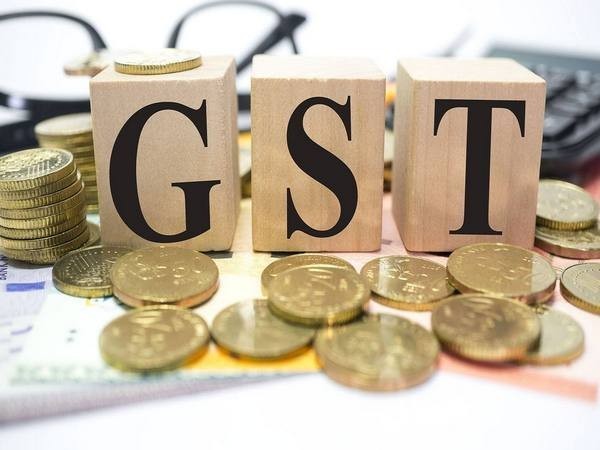
New Delhi [India], June 30 (ANI): As India's Goods and Services Tax (GST) completes eight years since its launch in July 2017, a report by PwC highlights the key demands and reforms expected by the industry going forward.
The report comes at a time when GST collections are exceeding Rs 2 lakh crore a month, prompting businesses and experts to push for changes to make the tax system simpler, more stable, and better aligned with a growing and evolving economy.
According to the report, rate rationalisation, reducing the number of GST rate slabs and taxability of emerging sectors remain among the top demands of the industry.
The report said, "The future of GST is expected to be shaped by the adoption of new-age technologies in tax governance. Other key reforms may include rate rationalisation, aimed at creating a more balanced tax structure, and the broadening of input tax credit eligibility parameters with minimal restrictions".
Currently, GST has multiple tax rate slabs, which increases confusion and classification disputes. A move toward fewer tax slabs would help create a more balanced structure and improve ease of compliance for businesses.
The report also highlighted the need for legislative reforms, particularly to clarify tax-related aspects. Certain areas of the GST law still lack clear guidelines, which leads to unnecessary disputes and delays. Simplifying these areas will reduce confusion and improve tax certainty.
Another important suggestion in the report is the introduction of a trust-based audit mechanism and better dispute resolution systems. At present, businesses face multiple audits in different states, sometimes for the same issue. A single audit authority and improved dispute resolution methods would make the system fairer and more efficient.
The report also underlined the growing demand for bringing aviation turbine fuel (ATF) and natural gas under the GST regime. Currently, these products are taxed separately by both the Centre and states, causing a tax cascading effect and increased costs for industries like transport and aviation.
The report noted that the future of GST would be shaped by new-age technologies in tax governance. The use of artificial intelligence and digital tools can help improve compliance and reduce the burden on taxpayers if implemented with proper safeguards.
As sectors like electric vehicles, artificial intelligence, and online gaming continue to grow, the tax system must also adapt. The report urged policymakers to clarify the tax rules for these emerging sectors to avoid legal uncertainty.
With GST set to complete a decade in July 2027, the report called this a timely opportunity to introduce reforms that align with global trade shifts and domestic needs, like boosting investment, consumption, and job creation.
The next phase of GST must focus on rationalising rates, reducing blocked credits, expanding the tax base, and cutting down procedural hurdles to restore the system's original efficiency and neutrality. (ANI)
Tags:
Get the App