Multiple, cheap, dependable: Jaishankar reaffirms 'India first' energy strategy in talks with US State Secy Rubio
Speaking at a joint press conference with US Secretary of State Marco Rubio in New Delhi, Jaishankar articulated a pragmatic framework for the India-US strategic partnership, noting that while the two nations share significant alignment, their respective foreign policies are ultimately anchored in their own national interests.
ANI
May 24, 2026 14:34 IST

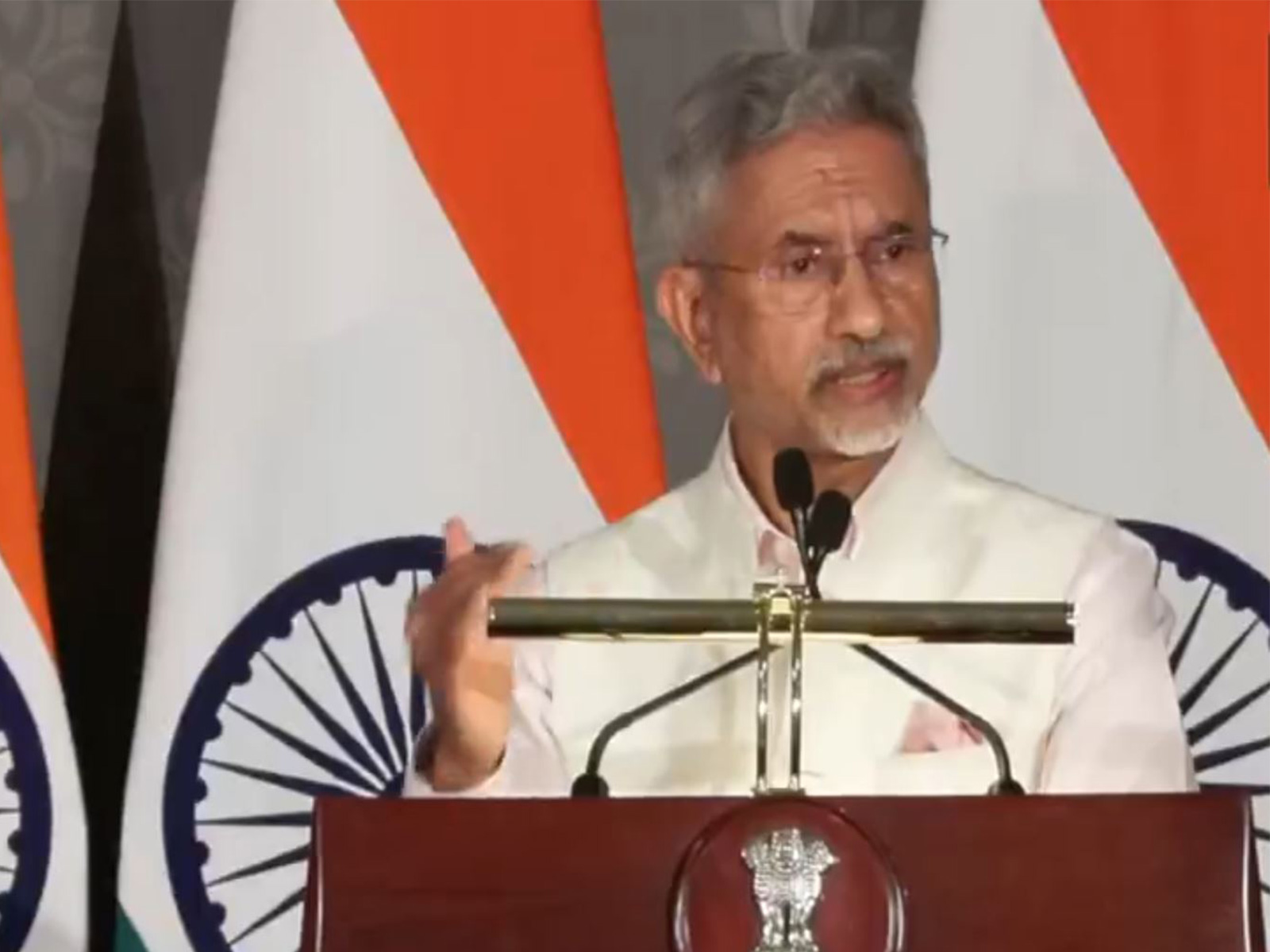
New Delhi [India], May 24 (ANI): Amid evolving global geopolitical alignments, External Affairs Minister S Jaishankar emphasised on Sunday that India's energy policy remains steadfastly committed to securing affordable and reliable supplies, while stressing the need for global energy markets to remain free from artificial distortions.
Speaking at a joint press conference with US Secretary of State Marco Rubio in New Delhi, Jaishankar articulated a pragmatic framework for the India-US strategic partnership, noting that while the two nations share significant alignment, their respective foreign policies are ultimately anchored in their own national interests.
"Where the energy issues are concerned... for our energy security, it's important we have multiple sources, large sources, dependable sources, cheap sources," Jaishankar said, responding to questions on energy policy under the Trump administration. He noted that the United States "fits the bill in many respects," but added, "So do some other countries."
Addressing questions regarding energy procurement under the current US administration's "America First" policy, Jaishankar clarified that New Delhi operates under a parallel mandate.
"Where the United States is concerned, the Trump administration has been very forthright in putting forward its foreign policy outlook as America First. Now, where we are concerned, we have a view of India first," he said. "There will be many areas where our national interests are in harmony, and we work together, which is why we have a strategic partnership. There could be some where they don't, in which case we have to manage those situations."
Central to the discussion was India's approach to energy procurement, which Jaishankar described as a fundamental obligation to its citizens. He outlined a four-point requirement for the country's energy supply lines. While acknowledging that the United States is a key partner in this strategy, he noted that India would continue to diversify its portfolio globally. He issued a clear warning against market interference, stating, "We don't want to see energy markets distorted, we don't want to see energy markets constricted because it has a cost implication."
"We will continue to diversify and maintain multiple sources of supply at the most reasonable cost because at the end of the day, we have an obligation to our people to provide them energy at affordable and accessible rates," he said. He warned against market interference, saying, "What we don't want to see, we don't want to see energy markets distorted, we don't want to see energy markets constricted because it has a cost implication."
Asked whether energy was discussed, he confirmed it was. "We discussed that. I certainly expressed the Indian point of view that we strongly believe that energy markets should be left to the market," Jaishankar said.
Looking ahead to upcoming diplomatic engagements, Jaishankar underscored the growing salience of the Indo-Pacific region. He linked the success of the Quad, the strategic security dialogue between India, the United States, Japan, and Australia, to the shared values and operational realities of its members.
"I'm glad you used the word maritime democracies because both terms I think are very relevant... we are doing a lot with each other because we are maritime powers and I see that growing and we are doing a lot with each other because we are democratic powers who have a certain way of doing things, who have a certain belief system, who have certain practices," he said.
"For us, particularly in the Indo-Pacific, which, as I've already stated, I see as gaining an importance in salience in the coming days. It's very important that the quad cooperation as maritime democracies continue, and that is exactly what you will see two days from now," Jaishankar added, closing the press conference. (ANI)
Get the App