India should hold firm in trade talks with US, test Washington's resolve: SBI Ecowrap
India should remain patient and avoid making early concessions in its ongoing trade negotiations with the United States, as Washington's current negotiating style relies heavily on strategic uncertainty and issue-linking to maximise leverage, according to an SBI Ecowrap research report released on Friday.
ANI
Jul 10, 2026 10:36 IST

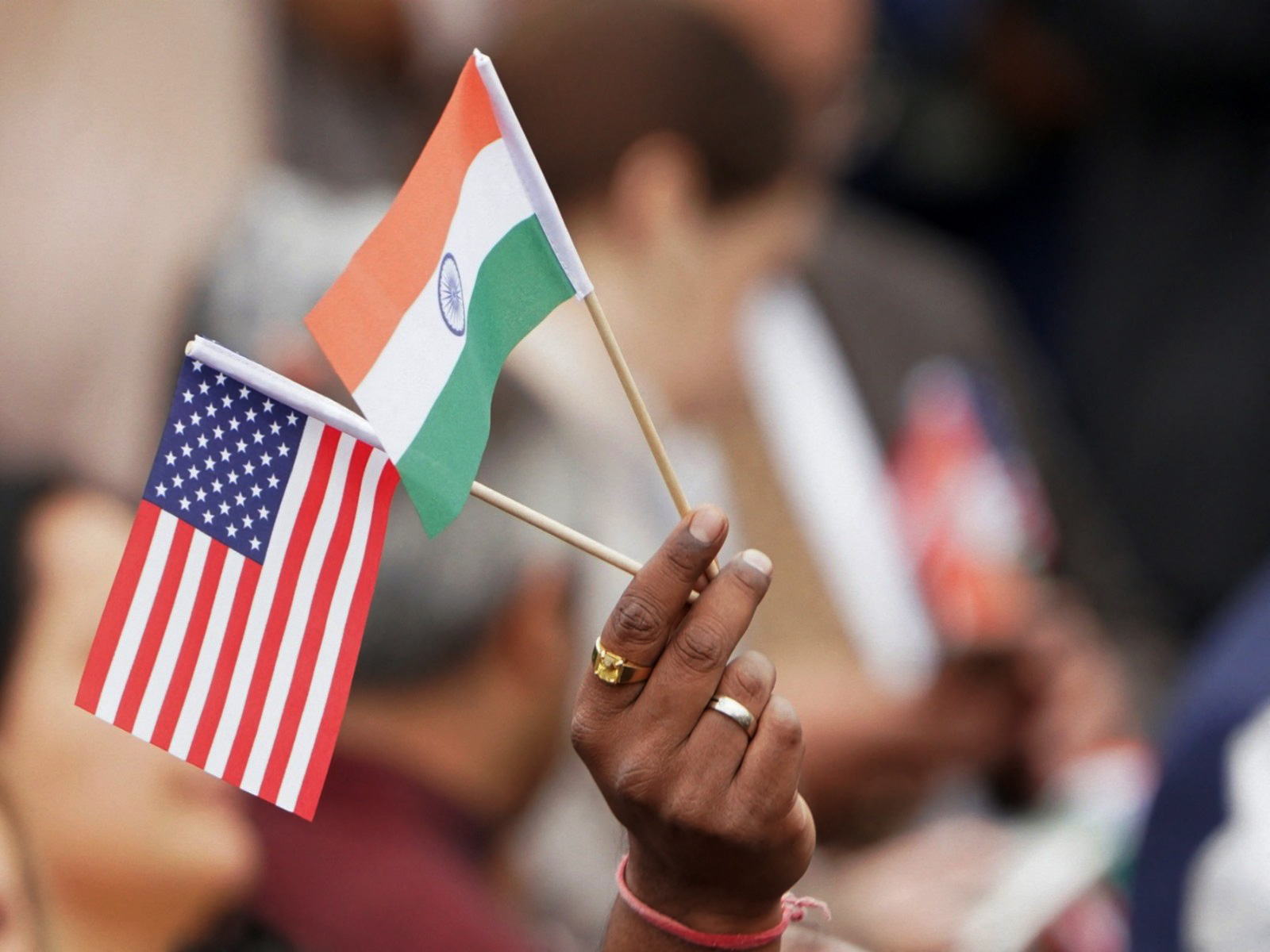
New Delhi, [India] July 10 (ANI): India should remain patient and avoid making early concessions in its ongoing trade negotiations with the United States, as Washington's current negotiating style relies heavily on strategic uncertainty and issue-linking to maximise leverage, according to an SBI Ecowrap research report released on Friday.
The report argues that the US administration is using uncertainty as a bargaining tool not only in trade but also across NATO, Iran, China and Greenland, making ambiguity itself a source of negotiating power.
"US Administration is using uncertainty as a bargaining instrument across NATO, Iran, tariffs, Greenland, China and also India," the report said, adding that in game-theory terms Washington is "preserving incomplete information about the 'type' of bargaining."
According to SBI Research, India occupies a unique position in the evolving global strategic landscape, lying between NATO allies that depend heavily on American security guarantees and China, which possesses substantial counter-leverage through critical minerals, manufacturing and supply chains.
While India does not enjoy China's concentrated bargaining power, it still has significant strengths in the form of its large domestic market, technology talent, pharmaceutical sector, defence procurement, energy options, diaspora influence and strategic importance in the Indo-Pacific, the report noted.
Against this backdrop, SBI Research said India should resist pressure for quick compromises and instead allow the US negotiating position to evolve as domestic market costs and broader geopolitical considerations emerge.
"India's best strategy... is to wear down the opening position, not the relationship. Keep the conversation warm, avoid public escalation, make limited and reversible offers, and wait for US administration first demand to run into U.S. market costs, China-balancing needs and alliance fatigue," the report said.
The report further advised that India should "test the resolve" of the US administration even if it entails some short-term costs, arguing that such an approach would strengthen India's long-term bargaining position.
Beyond India-US trade, the report analyses what it describes as the broader US negotiating framework, where trade, defence, security, strategic resources and diplomacy are increasingly being bundled together rather than handled separately.
It said the US administration seeks quick, near-term gains by announcing strong tariff measures, observing reactions from markets and governments, and then sequencing or adjusting the final policy.
The report also pointed to NATO as an example of this bargaining approach. It said the US administration has transformed long-standing alliance commitments into conditional bargains by linking defence spending with broader strategic alignment.
Referring to NATO's latest defence spending target, the report said Spain's resistance has been treated not merely as a budgetary issue but as a wider test of political alignment and willingness to support Washington's strategic priorities.
According to the report, "NATO was built to make security predictable. US administration's intervention is that it has made predictability more conditional. Protection is presented as something allies must keep financing, demonstrating and politically sustaining."
The report further observed that the US administration frequently connects different policy domains, allowing defence spending, trade policy, strategic resources and diplomatic signalling to reinforce one another during negotiations.
SBI Research cautioned that while such a strategy may generate immediate negotiating advantages for Washington, repeated reliance on uncertainty could gradually erode long-term credibility and trust among allies, partners and markets.
The report noted that India should maintain its negotiating position, preserve the bilateral relationship, and leverage its growing economic and strategic importance while waiting for a more favourable bargaining environment to emerge. (ANI)
Tags:
Get the App