 हिंदी खबर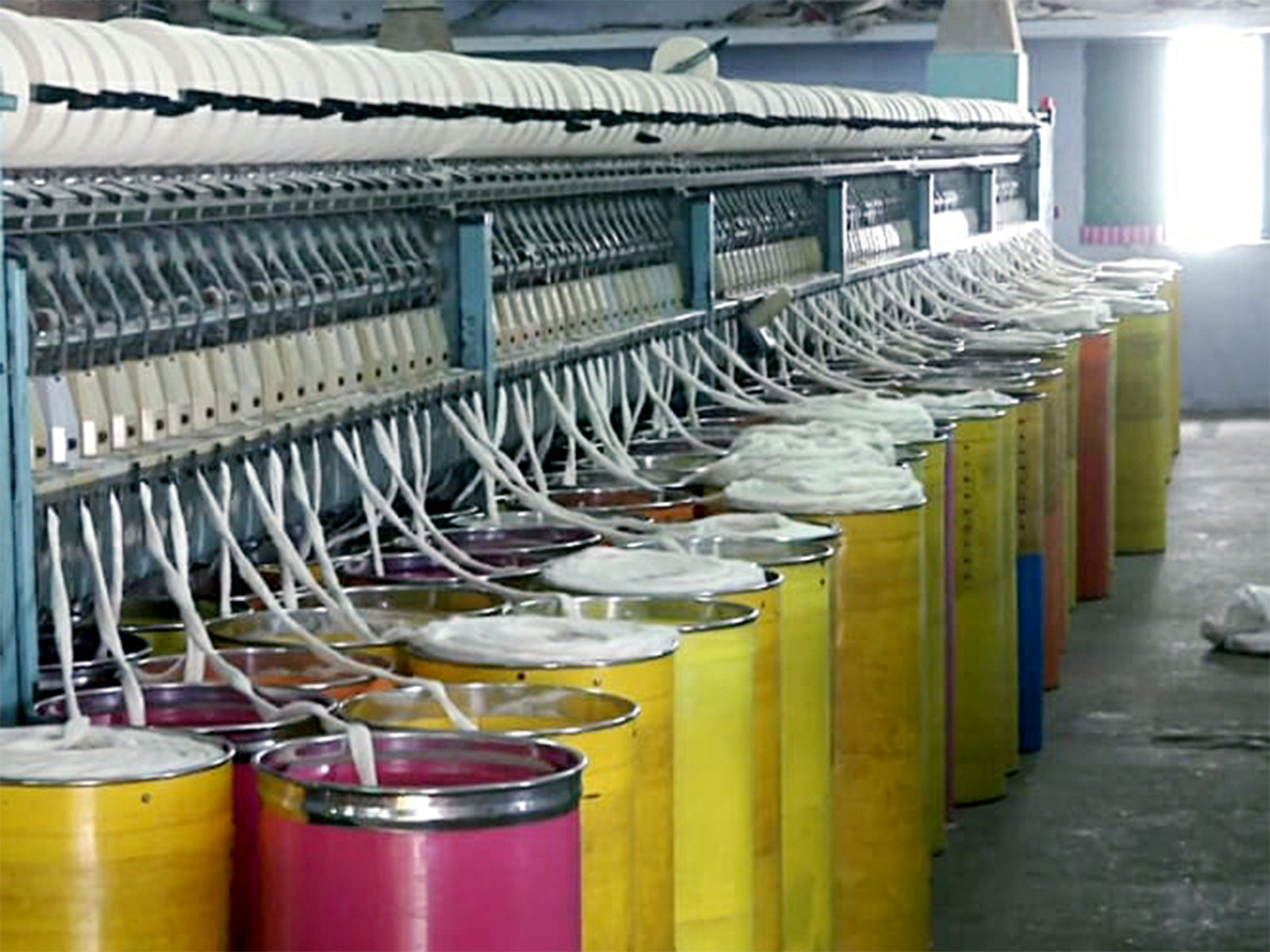

New Delhi [India] November 14 (ANI): India's decision to withdraw Quality Control Orders (QCOs) on a wide range of raw materials across textiles, plastics and mining has brought major relief to industry, but Global Trade Research Initiative (GTRI) warn that the government must now closely track import surges to ensure the absence of mandatory certification does not open the door to low-grade or dumped supplies.
According to an analysis by GTRI, the rollback announced on November 13, removes BIS certification requirements for 14 products under the Chemicals & Petrochemicals Ministry and six under the Mines Ministry. These include key intermediates such as PTA, MEG, polyester fibres, polypropylene, polyethylene, PVC resin, ABS, polycarbonate as well as metals like aluminium, lead, nickel, tin and zinc.
The reforms follow the Gauba Committee report, which highlighted how QCOs expanded from fewer than 70 a decade ago to nearly 790, many of them covering raw materials with no direct safety implications. Domestic industry had long argued that QCOs on industrial inputs created delays, testing bottlenecks and higher costs without improving product quality.
GTRI says, textile clusters in Surat, Ludhiana, Tiruppur and Bhilwara, along with plastics processors, 90 per cent of which are MSMEs, are set to benefit from smoother access to imported intermediates. The earlier rules, GTRI notes, caused long queues at BIS labs, port detentions and demurrage charges, often crippling small manufacturers.
Exporters too are expected to gain from easier sourcing of globally certified materials, helping improve India's competitiveness in technical textiles, moulded plastics, engineering goods and synthetic-textile garments.
The withdrawal of QCOs on aluminium, zinc, lead, nickel and tin restores flexibility for downstream sectors including auto components, electronics, batteries, construction and defence. Since India has no primary nickel production and limited domestic supply of some specialised grades, the previous QCO regime had risked choking critical imports.
The GTRI report says MSMEs are now urgently awaiting similar reforms in steel, where continuing QCOs have created shortages and driven up prices. In stainless-steel flats alone, domestic capacity falls well short of demand, yet foreign suppliers avoid BIS certification due to costs and limited scale. Other categories like fasteners, auto hinges and telescopic channels face similar distortions, with small manufacturers claiming that the current rules favour a few large players.
However, while the rollback marks a major step towards aligning with global regulatory norms, GTRI cautions that regulators must now "monitor import trends, daily if required" to prevent dumping of inferior materials. The absence of QCOs, the think-tank warns, may prompt overseas suppliers to offload excess stocks at predatory prices. The government may need to rely on anti-dumping duties, safeguard actions or tariff-rate measures if injury to domestic industry is detected.
The report emphasises that India's new approach of removing QCOs where they add friction rather than safety, should continue, but with strong surveillance mechanisms to protect MSMEs and maintain fair competition. (ANI)
India scraps QCOs across textiles, plastics & metals; GTRI urges vigil on import surges
ANI | Updated: Nov 14, 2025 15:09 IST


