India restricts imports of jute, its derivatives from Bangladesh
Import of such items from Bangladesh shall not be allowed from any land port on India-Bangladesh border, DGFT said. However, it is allowed only through Nhava Sheva seaport in Mumbai.
ANI
Jun 29, 2025 14:15 IST

New Delhi [India], June 29 (ANI): India has imposed port restrictions on the import of jute and several of its derivatives from Bangladesh, with immediate effect, an official from Directorate General of Foreign Trade (DGFT) said.
The restriction have been put on flax tow and waste (including yarn waste and garnetted stock); jute and other textile bast fibers, raw or retted; jute (excluding flax, true hemp and ramie); single flax yarn; single yarn of jute or of other textile bast fibers; multiple folded; woven fabrics or flax; and unbleached woven fabrics of jute or of other textile based fibers.
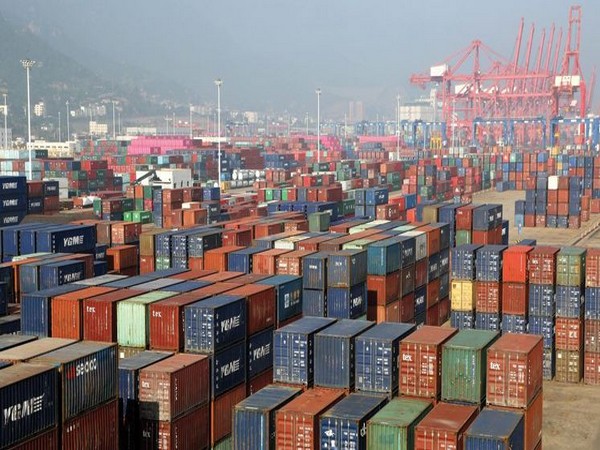
Import of such items from Bangladesh shall not be allowed from any land port on India-Bangladesh border, DGFT said. However, it is allowed only through Nhava Sheva seaport in Mumbai.
According to DGFT notification dated June 27, these restrictions, however, will not apply to Bangladeshi exports to Nepal and Bhutan transiting through India.
But, re-export of such Bangladeshi goods to India from Nepal or Bhutan will not be allowed, DGFT added.
On May 17, India had imposed restrictions on the import of Bangladeshi ready-made garments (RMG) and other products through its northeastern land ports -- Assam, Meghalaya, Tripura, Mizoram -- and Fulbari and Changrabandha in West Bengal, weeks after controversial remarks made by Bangladesh's interim chief advisor Muhammad Yunus about the India's northeastern region, during his visit to China.
During a speech in China, Bangladesh's Chief Adviser Yunus had described India's northeastern states as a "landlocked region with no access to the ocean." This comment has sparked diplomatic friction, with Indian officials viewing it as undermining the region's connectivity.
The May 17 restrictions forced Bangladesh to reroute exports -- including Ready-Made garments (RMG), plastics, melamine, furniture, juices, carbonated drinks, bakery items, confectionery, and processed foods -- through Kolkata port in West Bengal or Nhava Sheva port in Maharashtra, sharply increasing logistics costs.
The directive made clear that imports of essential items like fish, LPG, edible oil, and crushed stone remain unaffected. Goods transiting through India from Bangladesh to Nepal and Bhutan were also exempt.
The Centre had imposed land port restrictions on certain Bangladeshi exports to the northeastern states, a move that sources had then said was aimed at restoring "equality in the relationship".
The sources had further said that while India had hitherto allowed all exports from Bangladesh without restrictions, the transit and market access to India's northeast region had been restricted by Bangladesh. The sources further said that the relationship with Bangladesh will now be on "reciprocal terms".
India limiting imports from Bangladesh to only two seaports, according to the sources, was a reciprocal measure to Bangladesh -- which had imposed similar trade restrictions on Indian yarn and rice, besides selectively enhancing inspection on all Indian goods exported to Bangladesh.
The sources further noted that Bangladesh needed to realise that "it cannot cherry pick terms of bilateral trade solely for its benefit or assume North East is a captive market for its exports, while denying it market access and transit." (ANI)
Get the App