India needs greater self-reliance in advanced auto technologies, says Hyundai Motor India MD and CEO Tarun Garg
India needs to move beyond its manufacturing scale and accelerate the development of domestic capabilities in advanced technologies like semiconductors, EV battery cells and power electronics to reduce its dependence on imports and strengthen self-reliance, Hyundai Motor India MD and CEO Tarun Garg said.
ANI
Sep 02, 2026 13:32 IST

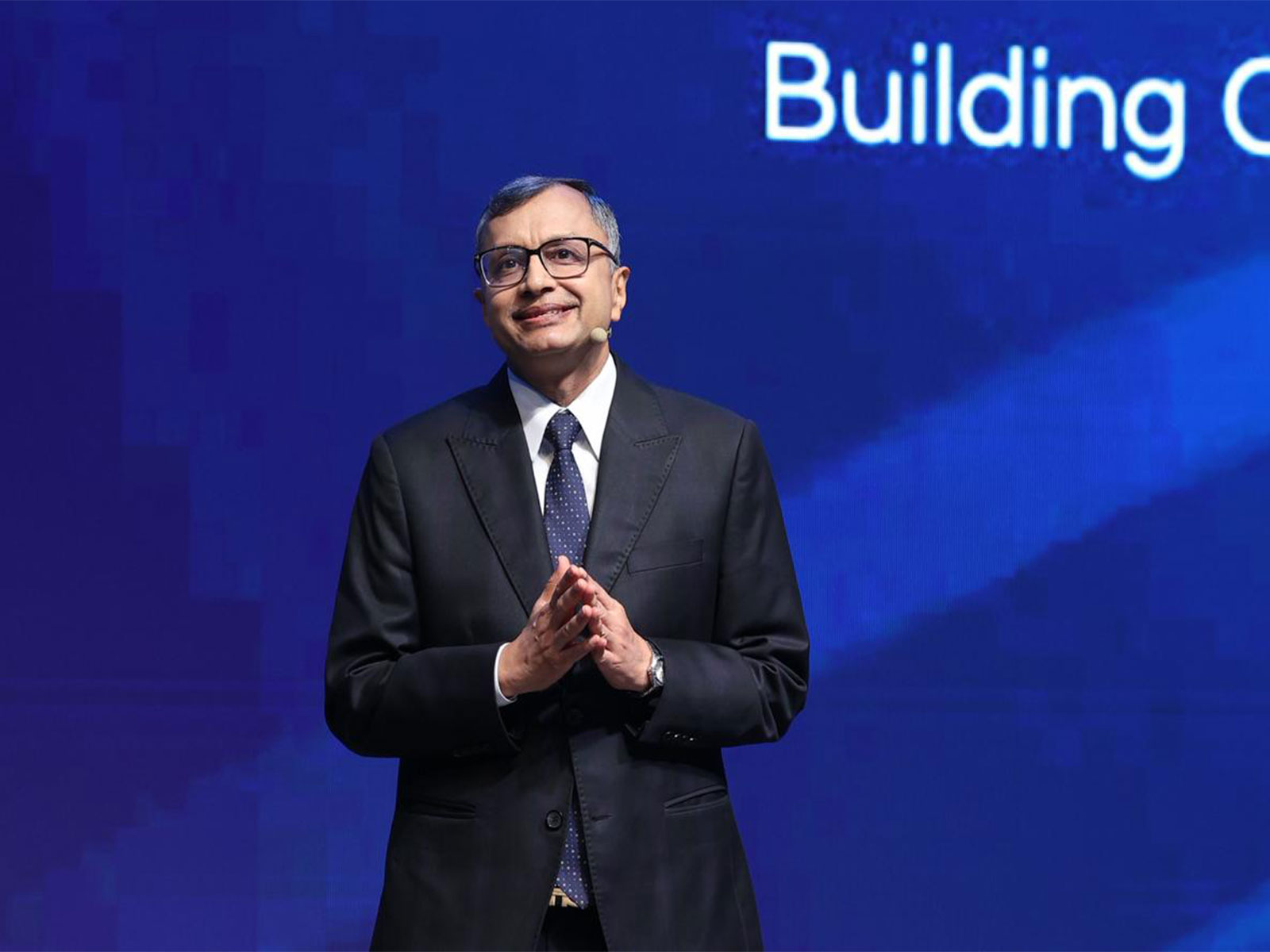
New Delhi [India], September 2 (ANI): India needs to move beyond its manufacturing scale and accelerate the development of domestic capabilities in advanced technologies like semiconductors, EV battery cells and power electronics to reduce its dependence on imports and strengthen self-reliance, Hyundai Motor India MD and CEO Tarun Garg said.
Addressing the ACMA 66th Annual Session, Garg said India's automotive industry has demonstrated resilience and built a strong manufacturing base, but the next phase should focus on moving from resilience to global leadership.
Garg said India exported about USD 24 billion worth of auto components in FY2025-26, while imports stood at around USD 25.4 billion, resulting in a trade deficit of approximately USD 1.4 billion.
"Our exports remain concentrated in relatively mature technologies, while our imports are led by advanced, higher-value technologies which may well define the future," he added, stressing the industry must now focus on building the technology, manufacturing strength, employment opportunities and global competitiveness required to support India's vision of Viksit Bharat by 2047.
"Time is also now right for deliberations on how to scale our skills, capabilities, volumes and revenues and move together from resilience to leadership."
Garg highlighted the significant growth of India's economy and automotive sector since 1996. India's GDP has grown from approximately USD 393 billion to USD 4.15 trillion, while the passenger vehicle industry has expanded from less than half a million units to more than 4.7 million units during the same period.
He stressed, the progress came despite "COVID-19, semiconductor shortages, logistics constraints, wars and continuing geopolitical uncertainty," highlighting supplier fraternity remained resilient through every disruption.
According to Garg, India's auto-component industry remained resilient through these disruptions by identifying alternatives, accelerating localisation, managing critical shortages and working closely with original equipment manufacturers to ensure business continuity.
However, the major concern goes beyond the "deficit" as per Garg.
"While India has successfully built scale, time has come now to accelerate and leapfrog towards greater self-reliance by building domestic capabilities to design, develop and manufacture future technologies, including semiconductor chips, EV battery cells, power electronics and much more," he noted.
Garg said India should build a distinct global advantage by combining its scale, engineering talent and cost competitiveness to deliver high-quality, affordable technologies. He outlined four priorities for the auto-component industry: master critical technologies, engineer costs, compound learning and build export competitiveness.
He called for a shift from "Make in India" to "Design in India, Engineer in India and Create in India", with government, OEMs, suppliers, academia and startups working together to build domestic technology and intellectual property. He urged industry leaders to localise critical imports, create Indian patents, enter global markets and integrate AI across their operations. (ANI)
Tags:
Get the App