India needs 10 GW annual wind additions to meet 2030 target; execution bottlenecks pose challenge: Report
India will need to sustain around 10 gigawatt (GW) of wind capacity additions annually for the remainder of the decade to achieve its 100 GW wind energy target by 2030, but regulatory inconsistencies, grid connectivity, land acquisition and other execution bottlenecks could constrain the pace of deployment, according to a report by the Indian Wind Turbine Manufacturers Association (IWTMA)
ANI
Aug 17, 2026 17:38 IST

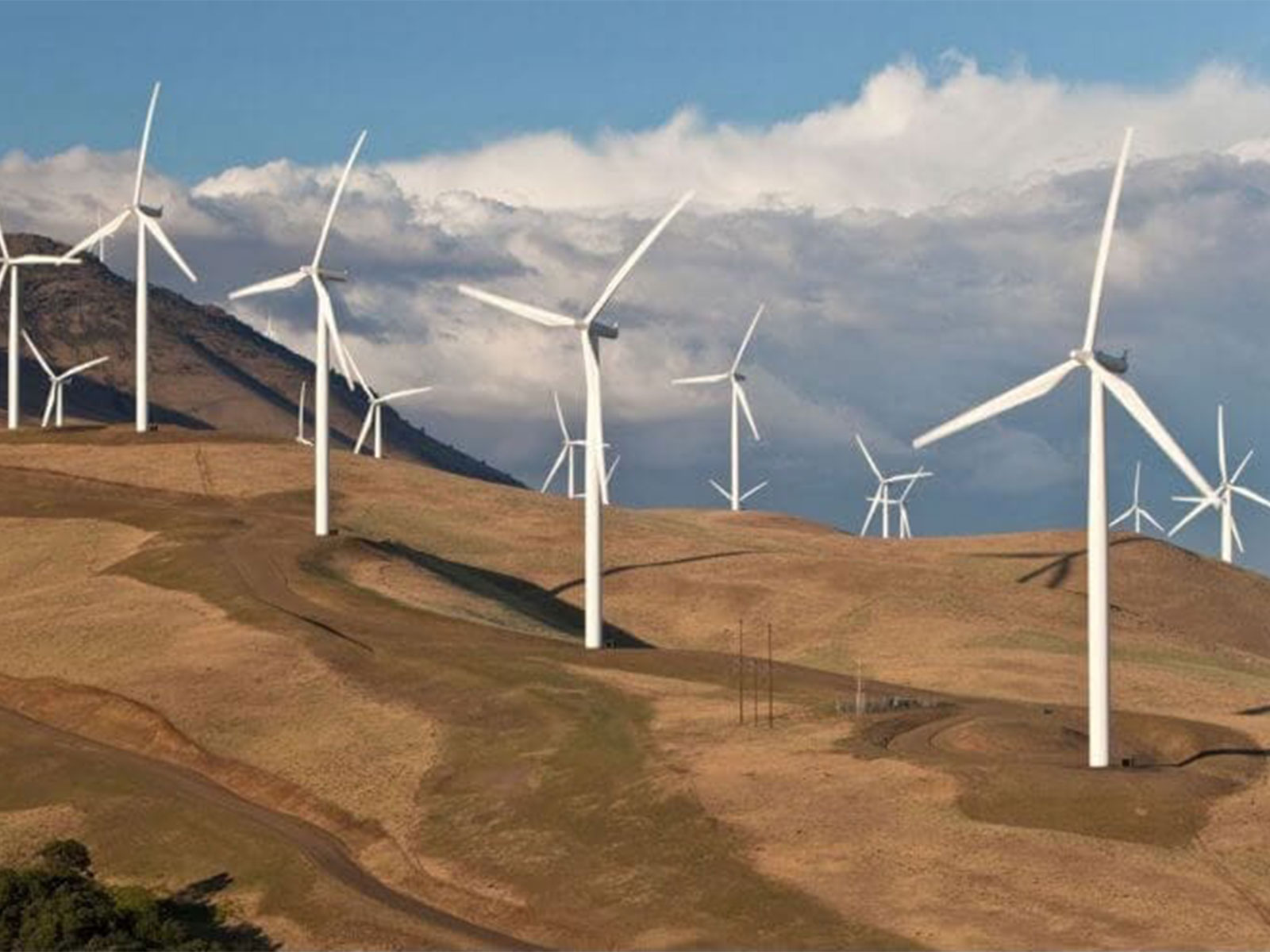
New Delhi [India], August 17 (ANI): India will need to sustain around 10 gigawatt (GW) of wind capacity additions annually for the remainder of the decade to achieve its 100 GW wind energy target by 2030, but regulatory inconsistencies, grid connectivity, land acquisition and other execution bottlenecks could constrain the pace of deployment, according to a report by the Indian Wind Turbine Manufacturers Association (IWTMA).
India had installed 56 GW of wind capacity by FY2026 and commissioned about 6 GW during FY2025-26, its highest annual commissioning figure on record, according to the report titled - Learning from States: Policy Harmony for 10 GW Annual Wind Capacity Additions. The report noted that the current annual addition remains below the level required to meet the 2030 target.
"Reaching the 100 GW wind target by 2030 requires sustaining 10 GW of annual commissioning and the current record falls short of that threshold," the report said.
It said the constraint lies in how projects move through the development lifecycle, from site identification and land procurement to environmental clearances, grid connectivity approvals and final commissioning.
"Where these processes are slow, unclear, or poorly coordinated, delays accumulate, limiting the pace at which tendered and awarded capacity translates into operating projects," it said.
The challenge comes despite a sizeable project pipeline. The report said 7.6 GW of capacity was awarded by utilities in FY2025-26, while total wind capacity under construction stood at 43 GW. The government has also committed to 152 GW of grid capacity at the intra- and inter-state level, according to the report.
State-level differences in regulation are also emerging as an impediment to faster execution. The study, which mapped policies across eight major wind-producing and emerging states, said regulatory inconsistencies have resulted in grid construction delays, grid allocation issues, land and right-of-way problems, other regulatory issues and delays in signing power sale agreements.
"Collectively, these bottlenecks suppress the conversion of awarded capacity into commissioned projects," the report said.
The report also noted that wind policies vary across states in areas such as demand assessment, renewable purchase obligations, open access, land allocation, grid connectivity, power purchase agreements and dispute resolution. IWTMA Chairman Girish Tanti said these inconsistencies "contribute to delayed timelines, elevated transaction costs, and barriers to inter-state energy trade that collectively constrain the pace of deployment."
To address the execution gaps, the report called for measures including unified single-window project registration, digital approval systems and clearly defined timelines for land and grid-related approvals.
Among the best practices identified, it recommended that grid connectivity be granted within 30 days of an application, subject to feasibility, while land-use conversion frameworks should provide defined timelines and deemed approval in cases where delays exceed 30 days.
The report said timely and coordinated implementation of such measures could help convert India's existing project pipeline into commissioned capacity and bridge the gap between the country's wind energy ambitions and execution. (ANI)
Tags:
Get the App