India must explore oil "at any cost" and diversify energy sources: ONGC Chief
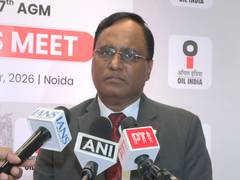
The closure of the Strait of Hormuz, once unthinkable, has become a reality, and India must treat it as a wake-up call to transform its energy security strategy from the ground up, Arun Kumar Singh, Chairman and CEO of Oil and Natural Gas Corporation (ONGC), said on Thursday.
ANI
Apr 10, 2026 17:00 IST

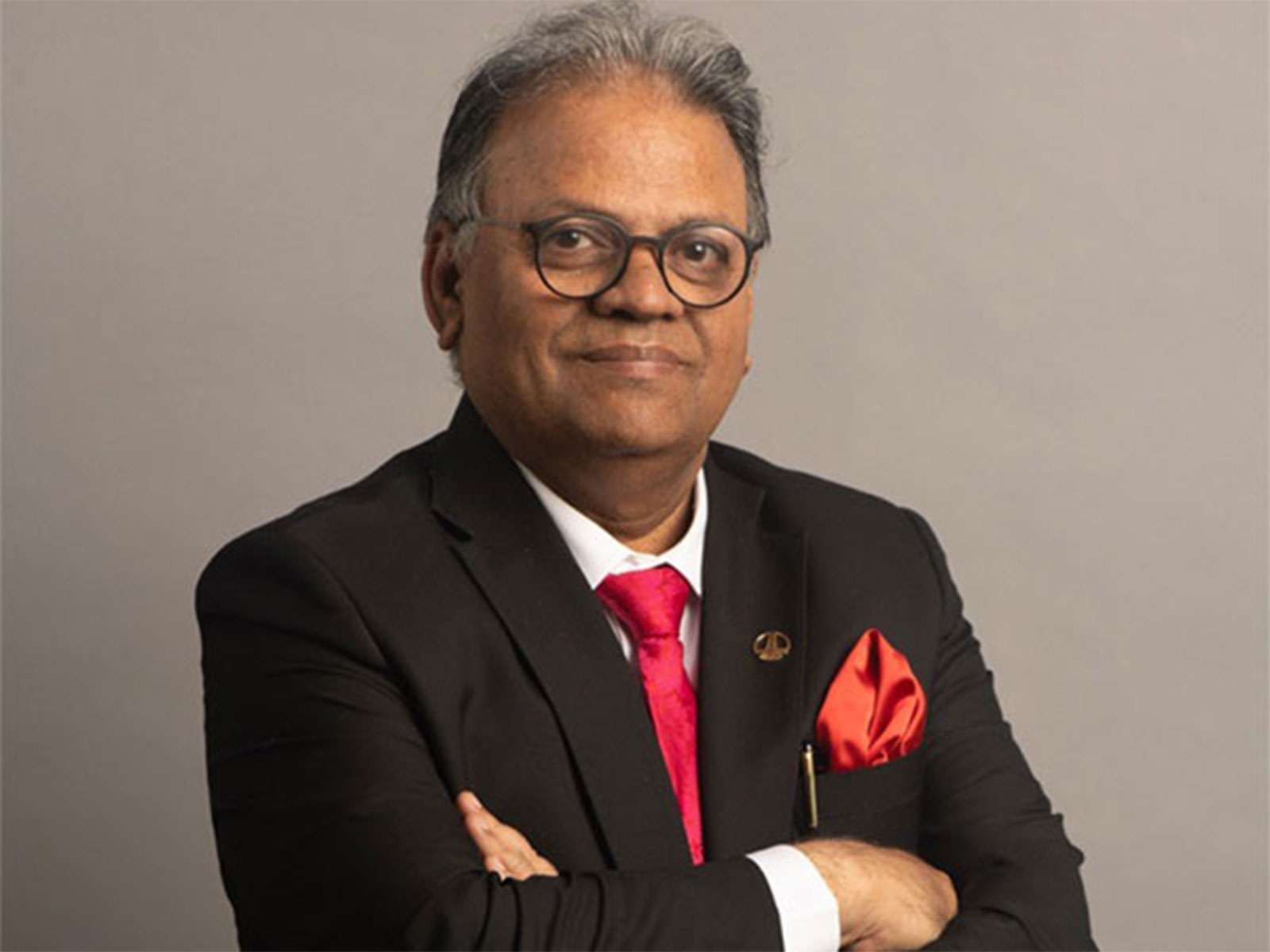
New Delhi [India], April 10, 2026 (ANI): The closure of the Strait of Hormuz, once unthinkable, has become a reality, and India must treat it as a wake-up call to transform its energy security strategy from the ground up, Arun Kumar Singh, Chairman and CEO of Oil and Natural Gas Corporation (ONGC), said on Thursday.
Speaking at a high-level session titled 'Reimagining Secure Energy Supply Chains in Light of New Geopolitical Challenges', organised jointly by the Petroleum and Natural Gas Regulatory Board (PNGRB) and Indraprastha Gas Limited (IGL), Singh delivered an unusually blunt assessment of India's energy vulnerabilities, and what the country must do urgently to address them.
Singh opened with a stark admission that underscored just how dramatically the global energy landscape has shifted.
"In my 40 years in oil and gas, I never imagined this kind of a crisis would happen in our world. We never thought a day would come when the Strait of Hormuz would be closed," he said.
He warned that such shocks are no longer once-in-a-generation events. "We should be prepared for more and more of this. Every country should do whatever is required to protect its sovereignty," he said.
Against this backdrop, Singh called for an urgent and unapologetic push to ramp up domestic oil exploration, regardless of cost.
"We should explore oil in our country at any cost. We must have exploration in a big way," he said, making clear that energy self-sufficiency must now be treated as a national security imperative, not merely a commercial exercise.
On storage, he was equally forceful, calling India's current capacity dangerously inadequate. "We must have big storage. We must now address our storage issue in any form," he said.
"We are a society that works hard when exam dates are announced," he added.
The message was unmistakable, India cannot afford to wait for the next crisis before acting.
Singh laid out a sweeping agenda for energy resilience, built around the principle of diversification at every level.
"We must diversify our energy sources. We must diversify our storage capacity. We should squeeze out every drop of oil, gas and coal," he said, arguing that India's over-dependence on imports -- particularly from a volatile Middle East, leaves it dangerously exposed.
On LNG, he noted that India had managed to build some buffer. "LNG -- we got a little saved," he said. But on LPG, the picture was far more troubling.
"LPG -- you know the story. We were more dependent. We diverted a lot of products to LPG, and that became a casualty. Going from 30 to 60 per cent dependence has come at a cost," he said, pointing to the structural risks of having pushed household energy policy in a direction that deepened import reliance.
He urged to accelerate the shift of Indian households from LPG to Piped Natural Gas.
"A good number of our households should adopt PNG," he said, framing it as both an energy security measure and a long-term cost benefit for consumers.
Singh also raised a question that is increasingly being asked in global energy circles. Who will now invest in above-ground energy infrastructure in the Middle East?
"Who will invest in above-ground facilities in the Middle East now?" he asked, suggesting that the geopolitical instability has not just disrupted supply chains today but could impair the region's long-term production capacity, with serious consequences for import-dependent nations like India.
He also reflected on the paradox of Qatar, whose massive energy investments were initially driven by forces that were sceptical of globalisation.
"A unipolar world is now a reality, and we must take this with much gravitas," he said.
Singh was not alone in sounding the alarm. Gurdeep Singh, Chairman and Managing Director of NTPC, echoed the call for greater domestic resource utilisation, flagging a different but equally pressing contradiction in India's energy mix.
He pointed out that several gas-based power plants in India are barely operating at double-digit capacity utilisation, while coal-based power plants are struggling to stay running -- not because of fuel shortages, but because surplus renewable energy generation is squeezing them out of the despatch merit order. (ANI)
Tags:
Get the App