India cementing its position to become a formidable player in defense landscape
According to Invest India data, this investment supports the world's second-largest armed force, comprising 1.45 million active personnel.
ANI
Jun 02, 2024 14:09 IST

New Delhi [India], June 2 (ANI): India is rapidly cementing its position as a formidable player in the global defence landscape. With the fourth largest defence budget in the world, India allocated USD 72.6 billion for the fiscal year 2023-24.
According to Invest India data, this investment supports the world's second-largest armed force, comprising 1.45 million active personnel.
In 2022-23, USD 19.7 billion was earmarked for capital expenditure, underscoring India's commitment to modernizing its military infrastructure.
The nation has set an export target of USD 5 billion by 2025, already achieving USD 1.9 billion in exports for 2023, marking a tenfold increase since 2016.
Currently, India exports defence equipment to 85 countries and contributes 3.7 per cent to the total global military expenditure.
The distribution of the defence budget reflects India's strategic priorities, 51 per cent is allocated to the Army, 23 per cent to the Air Force, 19 per cent to the Navy, 6 per cent to the Defence Research and Development Organisation (DRDO), and 1 per cent to the Ordnance Factory Board (OFB).
Over the next 5-7 years, the Indian government plans to invest USD 130 billion in fleet modernization across all armed services. This includes the acquisition of advanced technologies and systems to enhance the capabilities of the Indian military.
To foster innovation and self-reliance, the government has sanctioned USD 30 million to indigenize 164 technologies. This initiative involves 2002 experts and 5399 companies, ensuring that India remains at the cutting edge of defence technology.
The fifth Positive Indigenization list has been released, comprising highly complex systems, sensors, weapons, and ammunition. In total, 509 items across all five lists are earmarked for indigenization, promoting domestic manufacturing and reducing dependency on imports.
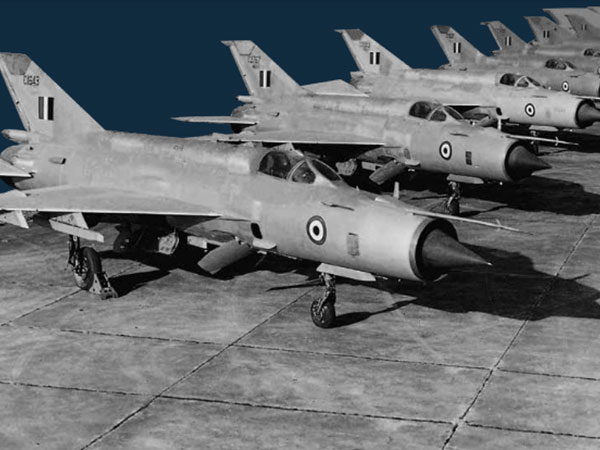
Under the Make in India initiative, there is a requirement for 114 multi-role fighter aircraft. This acquisition aims to bolster the Indian Air Force's operational readiness and enhance its aerial combat capabilities.
The Indian Army plans to procure 1,580 towed artillery guns, 814 mounted gun systems, and 100 tracked artillery guns. This acquisition will modernize the Army's artillery capabilities and ensure readiness for diverse combat scenarios.
The Indian Navy has issued a Request for Information (RFI) to procure 12 state-of-the-art Mine Counter measure vessels (MCMVs). These vessels are essential for ensuring maritime safety and protecting naval assets.
The Indian Army has a requirement for 1700 FRCVs to be fulfilled under the Strategic Partnership Model. This initiative will enhance the Army's ground combat capabilities and ensure operational superiority.
India has liberalized its Foreign Direct Investment (FDI) policy, allowing up to 74 per cent through the automatic route and up to 100 per cent through the government route for most aero-components. This policy aims to attract global investors and foster technology transfer.
This policy facilitates long-term strategic partnerships between the Indian private sector and global Original Equipment Manufacturers (OEMs). It seeks to establish domestic manufacturing infrastructure and supply chains through a transparent and competitive process.
DAP 2020 encourages FDI to establish manufacturing hubs for import substitution and exports while protecting domestic industry interests. The Offset policy under DAP 2020 has been revised to give OEMs more flexibility.
India is developing two defence industrial corridors in Tamil Nadu and Uttar Pradesh. These corridors are dedicated to defence manufacturing and aim to attract investment and foster innovation.
The government has reduced entry barriers for new entrants by scrapping the requirement for Industrial Licensing for most defence components. By October 2022, 595 industrial licenses were issued to 366 companies, of which 113 companies have commenced production.
iDEX aims to establish Defence Innovation Hubs across the country, fostering innovation and technology development in the aerospace and defence sectors. It supports startups, MSMEs, individual innovators, and academia with a budget of approximately USD 65 million.
Created to address investment queries, the Defence Investor Cell provides guidance on investment opportunities and regulatory requirements.
A web-based single window interface facilitates the issuance of export authorizations in a transparent and time-bound manner.
The Make in India Defence portal provides comprehensive information on policies, procedures, and promotional measures related to defence production.
Defence Production & Export Promotion Policy (DPEPP) 2020 aims to achieve a turnover of USD 25 billion, including USD 5 billion in aerospace and defence exports by 2025. The policy focuses on areas such as aero engines, MRO industry, and critical technologies.
The Ministry of Defence, led by the Defence Minister, is responsible for national defence and security. The Department of Defence Production (DDP), established in November 1962, develops infrastructure to produce weapons, systems, platforms, and equipment required for defence.
Prominent players in India's defence manufacturing sector include Hindustan Aeronautics Ltd., Bharat Electronics Limited, BEML Ltd., Mishra Dhatu Nigam Ltd. (MIDHANI), Mazagon Dock Shipbuilders Ltd., Goa Shipyard Ltd., Hindustan Shipyard Ltd., Bharat Dynamics Ltd., Garden Reach Shipbuilders and Engineers Ltd., and the Defence Research and Development Organisation (DRDO).
India's defence manufacturing sector is poised for unprecedented growth, driven by substantial budget allocations, robust policy support, and strategic initiatives aimed at fostering self-reliance and innovation.
With a clear roadmap, India is well on its way to becoming a global powerhouse in defence manufacturing. (ANI)
Tags:
Get the App