IBC Amendment Bill 2025, passed by Lok Sabha, introduces creditor-driven reforms
The Insolvency and Bankruptcy Code (Amendment) Bill, 2025 passed in the Lok Sabha on Monday. Featuring 12 amendments, the revised legislation introduces significant changes to India's insolvency resolution framework, including new creditor-driven mechanisms, stricter timelines, and provisions for cross-border and group insolvency.
ANI
Mar 30, 2026 14:28 IST

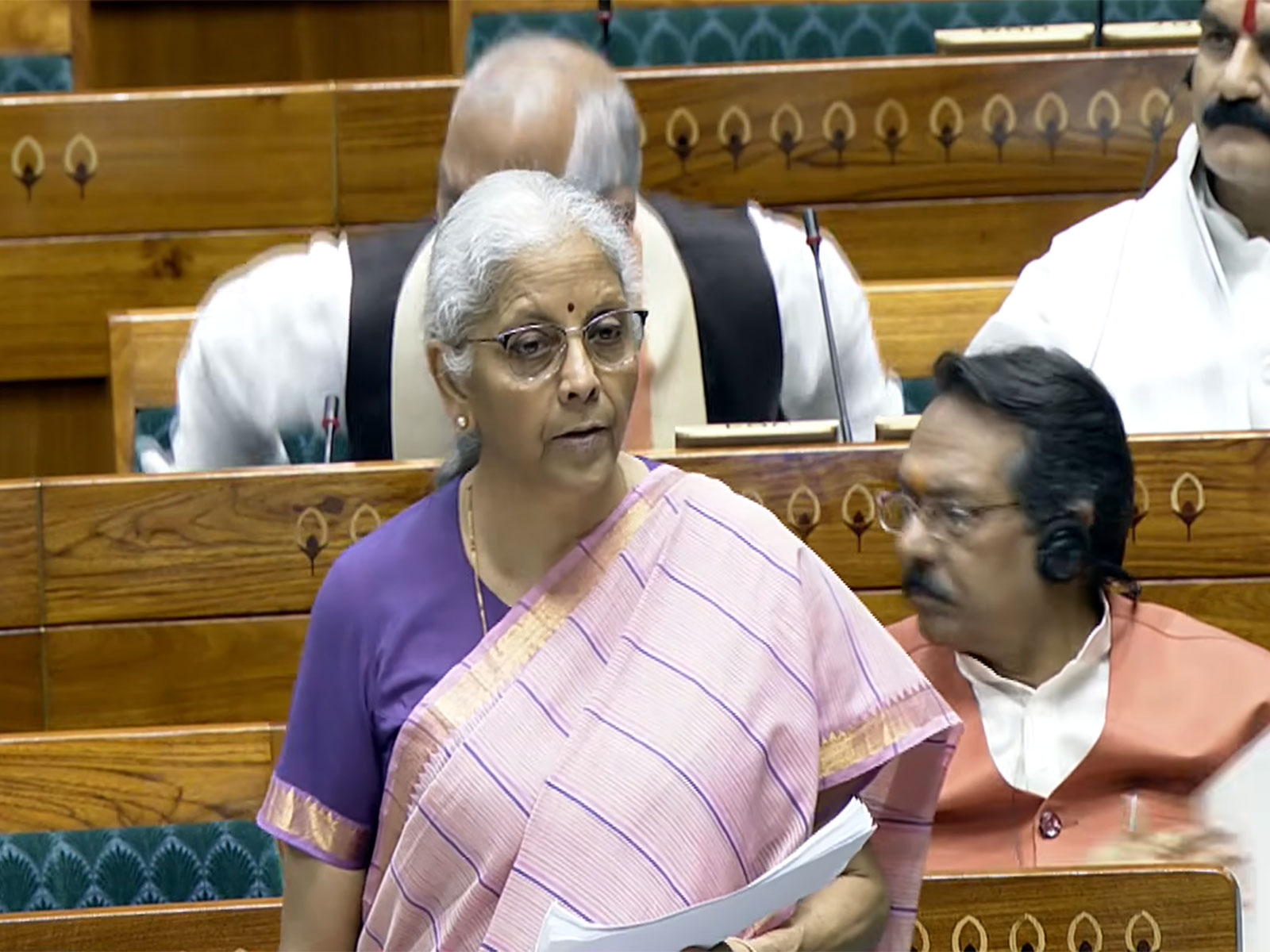
New Delhi [India], March 30 (ANI): The Insolvency and Bankruptcy Code (Amendment) Bill, 2025 passed in the Lok Sabha on Monday. Featuring 12 amendments, the revised legislation introduces significant changes to India's insolvency resolution framework, including new creditor-driven mechanisms, stricter timelines, and provisions for cross-border and group insolvency.
The Bill seeks to amend the Insolvency and Bankruptcy Code (IBC), 2016, with the aim of further streamlining insolvency resolution processes and addressing gaps identified in the existing law. The Code provides a time-bound mechanism for resolving the insolvency of companies and individuals, under which control of the debtor shifts to creditors during the resolution process.
The Bill introduces a new mechanism allowing specified financial creditors to initiate insolvency proceedings against certain corporate debtors. At least 51 per cent of such creditors (by value of debt) must approve the initiation. Unlike the standard process, the debtor's management will continue during the Creditor-Initiated Insolvency Resolution Process (CIIRP), subject to oversight by a Resolution Professional.
In the amended Bill, the fast-track insolvency resolution process for small companies and startups has been removed, marking a structural shift in how smaller entities are treated under insolvency law.
Under the new provision, the National Company Law Tribunal (NCLT) may convert a creditor-initiated process into the standard Corporate Insolvency Resolution Process (CIRP) if no resolution plan is received within 150 days (extendable by 45 days), if the plan is rejected, or if the debtor fails to cooperate.
The amended Bill empowers the central government to frame rules for handling the insolvency of corporate groups. This may include a common NCLT bench, a joint committee of creditors, and a shared resolution professional.
For the first time, the Bill also enables the government to prescribe procedures for cross-border insolvency cases, where assets or creditors are located in multiple jurisdictions.
The amendments make it mandatory for the NCLT to admit applications if a default is established and procedural requirements are met. It removes discretionary grounds for rejection and mandates written reasons if orders are delayed beyond 14 days.
Records from financial institutions will now be considered sufficient evidence of default, simplifying the admission process.
In liquidation cases, the Committee of Creditors (CoC) will be empowered to supervise the process and replace the liquidator, increasing creditor control even after resolution failure.
The Bill mandates that liquidation orders must be passed within 30 days, and the process completed within 180 days (extendable by 90 days). Voluntary liquidation must be completed within one year.
A new penalty provision has been introduced for filing frivolous or vexatious cases, with fines ranging from Rs 1 lakh to Rs 2 crore.
The Insolvency and Bankruptcy Code (IBC), enacted in 2016, consolidated India's insolvency laws into a single framework to ensure faster resolution of stressed assets. It established creditor control over defaulting companies and introduced strict timelines for resolution. Over time, several amendments have been made to address implementation challenges and evolving financial complexities.
The latest amendments aim to improve efficiency, reduce litigation delays, strengthen creditor rights, and expand the Code's scope to cover emerging areas such as cross-border insolvency and group entities. (ANI)
Tags:
Get the App