Final resolution of US-Iran talks may take more than 60 days: S&P Global Energy's Tang
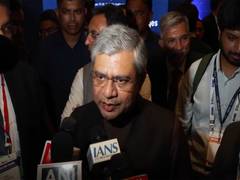
The final resolution of ongoing US-Iran discussions may take longer than the current 60-day timeline as several geopolitical issues remain unresolved despite signs of recovery in shipping activity through the Strait of Hormuz, Benjamin Tang, Director and Global Head of Liquid Bulk, Commodities at Sea, S&P Global Energy, told ANI on Tuesday.
ANI
Jun 23, 2026 20:19 IST


New Delhi [India], June 23 (ANI): The final resolution of ongoing US-Iran discussions may take longer than the current 60-day timeline as several geopolitical issues remain unresolved despite signs of recovery in shipping activity through the Strait of Hormuz, Benjamin Tang, Director and Global Head of Liquid Bulk, Commodities at Sea, S&P Global Energy, told ANI on Tuesday.
"But yes, there is a chance and maybe so that these discussions will take more than 60 days before we can bring an end," Tang told ANI when asked whether the current 60-day peace window could be extended.
Tang said the agreement currently allows for discussions to continue beyond the initial timeframe if required.
"The 60 days, there is a clause in both bilateral agreements to extend the 60-day discussion," he said.
The S&P Global executive said several important issues remain unresolved and could influence the pace of negotiations.
"There are many things that are yet to be decided," Tang said.
Referring to the key challenges facing negotiators, he added: "I think the key one is what's the nuclear situation going to be, other things around Lebanon, about the different attacks and how the responses see."
Tang said these issues remain central to the future of the discussions.
"Those are key issues that it's not clear whether 60 days is enough to resolve them thoroughly," he said.
Despite the uncertainties, Tang said there have been encouraging signs in the Strait of Hormuz, a critical route for global energy trade.
"We have seen transits go up in the last week, so we are now at roughly averaging about 30 transits per day, compared to 12 in the last few months," he said.
However, he cautioned that traffic levels remain significantly below normal.
"This is still a far cry from the 135 (vessels) that we saw before the war," Tang said.
He noted that several operational and commercial issues still need to be addressed, including shipping approvals, insurance costs and future arrangements governing transit through the waterway.
"So positive signs, but still uncertainties and details to sort through," he said.
On Iranian crude exports, Tang said tanker activity has picked up in recent days.
"In the last week, with the removal of the US blockade, we have seen a lot of Iranian tankers start to move out," he said.
According to Tang, at least 12 Iranian tankers have exited in recent days, helping exports recover close to pre-war levels.
"Our estimate is about 1.5 million barrels per day for the month of June. So that's similar to the way they were pre-war," he said.
He added that many of the cargoes now reaching markets had been loaded before the disruption and that questions remain about how quickly Iranian production can fully ramp up.
Tang also highlighted India's response to the crisis, saying the country has demonstrated resilience by rapidly securing alternative crude supplies and diversifying sourcing options.
He noted that Russian, Brazilian, West African and US crude grades have become important parts of India's import portfolio, while refiners continue to balance supply security with cost considerations.
Despite the recent improvement in vessel traffic and crude flows, Tang said the progress of US-Iran discussions will remain a key factor for energy markets, given its implications for regional stability, global oil flows and energy security. (ANI)
Tags:
Get the App