Electronics Component Manufacturing Scheme could raise India's mobile manufacturing value-add by 50%: Jefferies
India's efforts to deepen domestic electronics manufacturing are gradually moving from assembling mobile phones to making more of their components locally, with Jefferies expecting the Electronics Component Manufacturing Scheme (ECMS) to cover around 50 per cent of the mobile phone Bill of Materials (BoM) by the end of its six-year tenure.
ANI
Aug 31, 2026 12:22 IST

New Delhi [India], August 31 (ANI): India's efforts to deepen domestic electronics manufacturing are gradually moving from assembling mobile phones to making more of their components locally, with Jefferies expecting the Electronics Component Manufacturing Scheme (ECMS) to cover around 50 per cent of the mobile phone Bill of Materials (BoM) by the end of its six-year tenure.
India's mobile production has expanded sharply in recent years, but domestic value addition remains limited, creating a need to build a stronger component manufacturing ecosystem.
Jefferies stated, "MPMS launched in Aug 26 is set to grow Mobile value-add & exports, with higher incentives for Indian brands and components. We estimate ECMS to address approx. 50 per cent of Mobile BoM"
India's total electronics production increased from Rs 5.5 trillion in FY21 to Rs 12.1 trillion in FY26, doubling over five years. Mobile phones accounted for around 48 per cent of electronics production in FY26.
However, domestic value addition in mobile manufacturing has so far remained limited, estimated at less than 15 per cent, according to Jefferies.
The brokerage said the government is now taking a step-by-step approach towards increasing localisation in electronics manufacturing.
The first Mobile Production Linked Incentive (PLI) scheme, covering FY21-26, helped India assemble 99 per cent of mobile phones domestically, but the value added within the country remained limited. The ECMS, introduced in FY26, is aimed at strengthening the domestic component supply chain.
The scheme has so far seen 106 projects approved out of 249 initial applications. Jefferies said the ECMS supports companies in meeting the high upfront investment requirements involved in component manufacturing, where asset utilisation can be low initially and projects can take longer to become operational.
On August 17, the government approved the fifth tranche of the ECMS, covering 31 projects. These include components such as filters, coils and speakers, as well as raw materials including acetylene black and electrolyte additives.
Of the 106 approved projects, 25 are in electromechanicals, 23 in printed circuit boards (PCB), 15 in supply chain, 11 in capital equipment, six in camera modules, seven in passive components, six in enclosures, six in optical transceivers, five in display modules and two in lithium-ion cells.
Jefferies said 38 plants have already started production, while 16 projects are at advanced stages of construction or machinery installation. The total approved investment is around Rs 695 billion across 14 states.
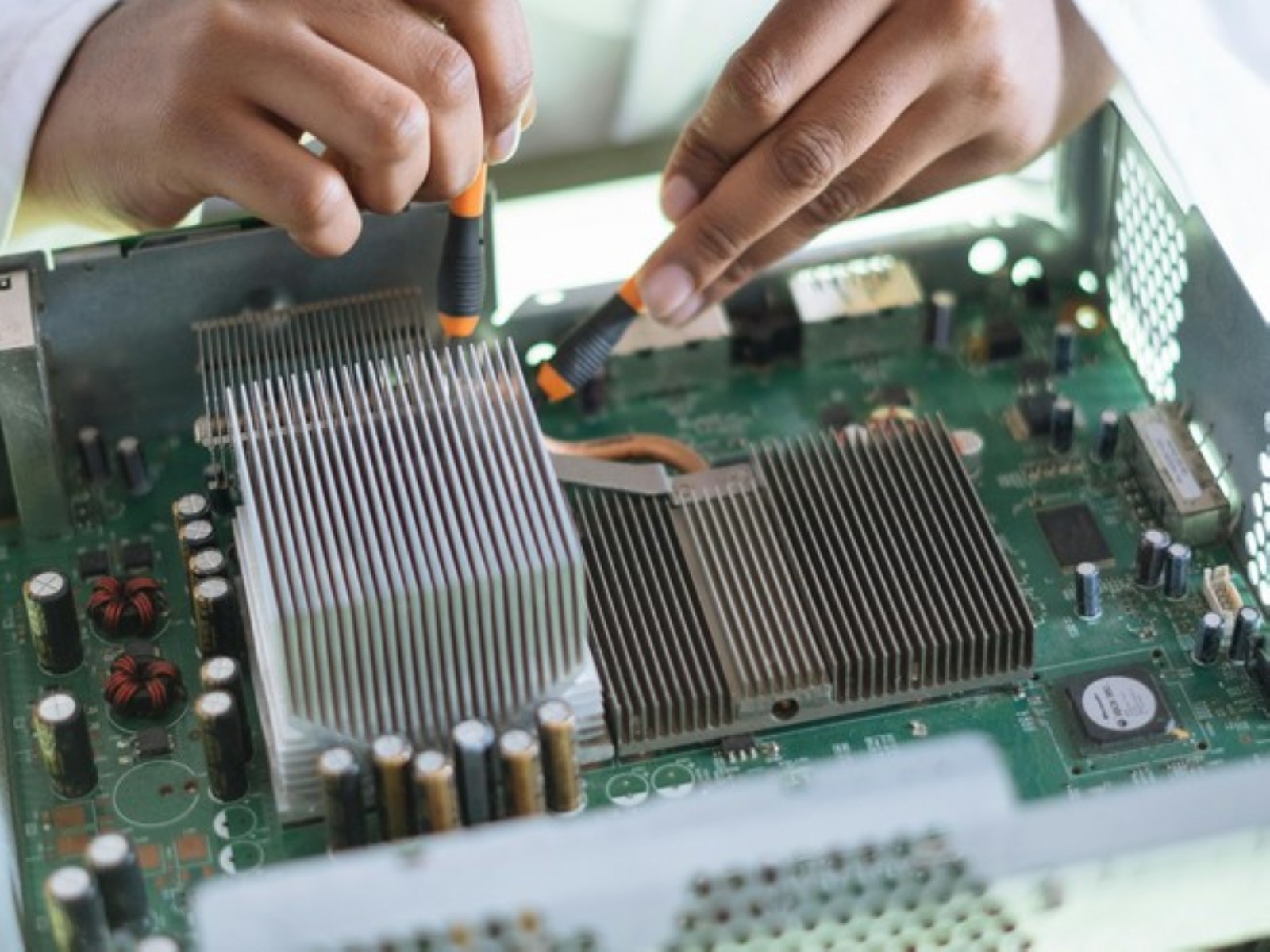
The brokerage identified PCB manufacturing as a key opportunity for India. The PCB segment, including HDI and multi-layer boards, has an estimated USD 7 billion total addressable market, while 85-90 per cent of the requirement is currently imported.
Jefferies also noted that foreign partnerships could help Indian companies bridge technology gaps in component manufacturing.
Alongside ECMS, the government has introduced the Mobile Production and Manufacturing Scheme (MPMS), described by Jefferies as "Mobile 2.0 PLI", to increase mobile production, exports and domestic value addition.
MPMS, notified in July 2026, has an outlay of Rs 625 billion and a five-year tenure covering FY27-31e. The scheme targets mobile production of Rs 39 trillion, compared with around Rs 25 trillion under the earlier LSEM scheme.
The scheme provides sales-linked incentives ranging between 2.25 per cent and 5.0 per cent. It also provides an additional 1.5 per cent incentive for domestic sourcing of key components, including display modules, cameras, enclosures, batteries and USB cables, subject to the specified localisation conditions.
Jefferies said MPMS is also intended to support Indian mobile brands. Indian brands can qualify based on conditions including being registered in India, having locally held intellectual property, in-house research and development, management control with an Indian citizen and more than 51 per cent holding in the entity. (ANI)
Tags:
Get the App